



Why Fibre Matters
Before we dive into the delicious details, let's quickly understand why dietary fibre is so crucial. Found mainly in plant-based foods, fibre is a type of carbohydrate that our bodies can't digest. It's essential for maintaining good digestive health,
preventing constipation, and can help manage weight by making you feel fuller for longer. A high-fibre diet is also linked to a lower risk of heart disease, better blood sugar control, and a healthier gut microbiome. The Indian Council of Medical Research (ICMR) recommends that adults consume around 25-40 grams of fibre daily, but many urban diets fall short of this target.
Embrace Traditional Whole Grains
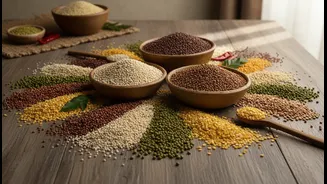
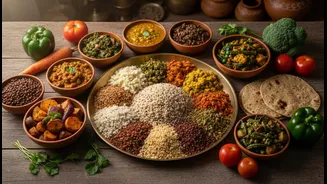
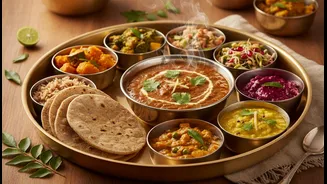
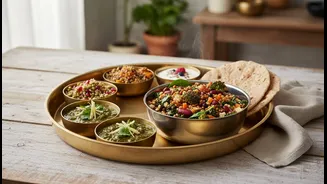
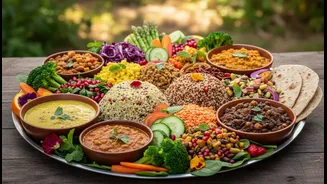
One of the easiest ways to boost your fibre intake is to move away from refined grains. While white rice and regular atta are staples, their whole-grain counterparts pack a much bigger fibre punch. Millets, once a cornerstone of the Indian diet, are making a comeback for good reason. Grains like jowar (sorghum), bajra (pearl millet), and ragi (finger millet) are fibre powerhouses, containing over 10 grams of fibre per 100g. Swapping your regular rotis for those made with bajra, jowar, or whole wheat atta that hasn't been sieved is a simple, effective change. Similarly, replacing white rice with brown rice or using millets in dishes like khichdi and upma can significantly increase your daily fibre.
Lean into Lentils and Legumes
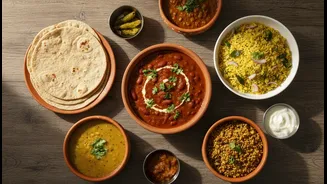
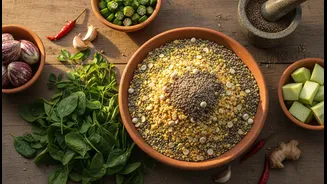
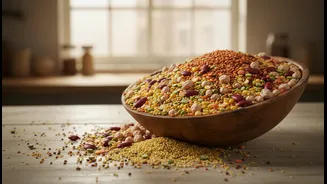
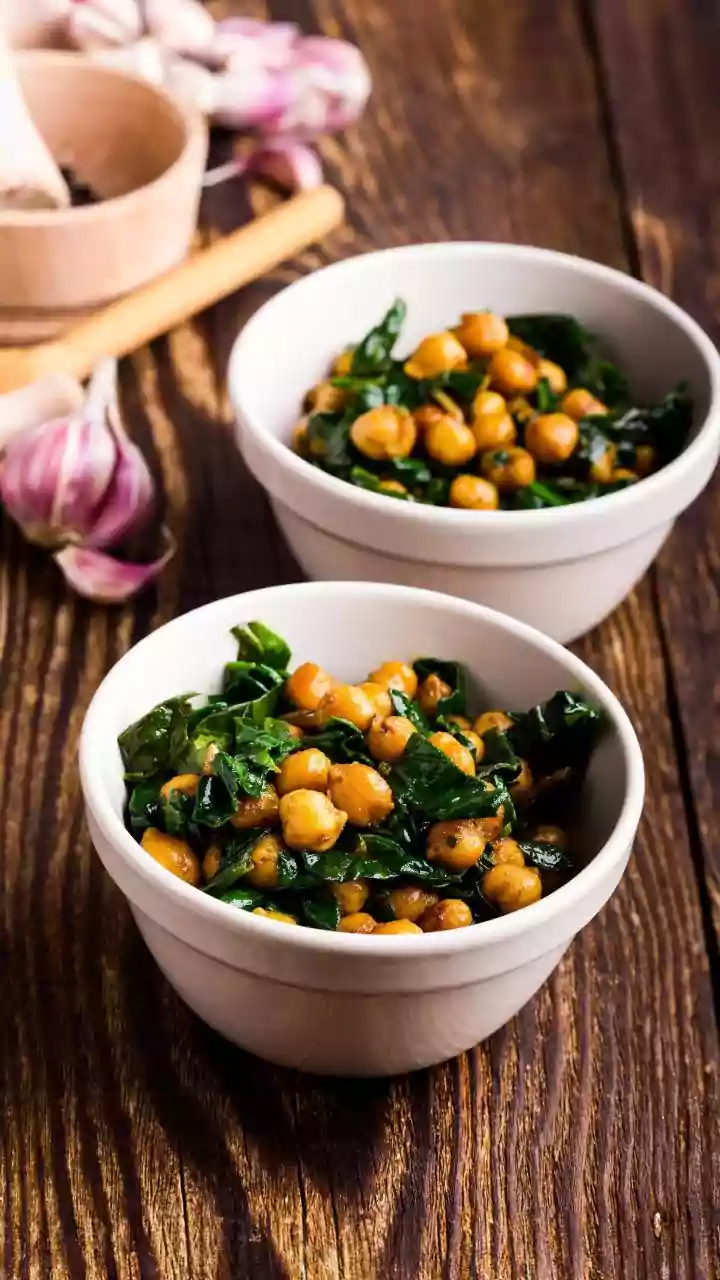
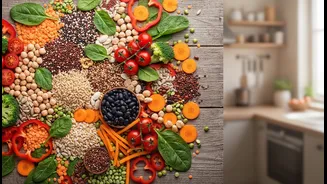
The incredible diversity of dals and legumes in Indian cuisine is a huge advantage for anyone looking to eat more fibre. From rajma and chana to masoor and moong dal, these pulses are loaded with both soluble and insoluble fibre, alongside plant-based protein. A hearty bowl of rajma can provide around 13-15g of fibre per 100g (raw), while chana dal offers about 10-12g. These comfort foods do more than just warm the soul; they provide sustained energy and keep you satisfied for hours. Making a dal or a legume-based curry like chana masala a part of your daily meals is a foundational step towards a high-fibre diet.
Make Vegetables Your Hero
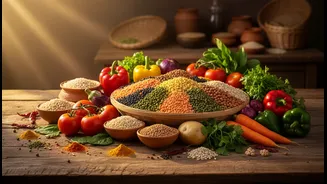
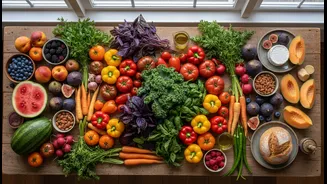
Indian cooking excels at turning humble vegetables into culinary stars, and this is great news for your fibre goals. The principle of having a 'sabzi' with every meal is a built-in advantage. Vegetables like bhindi (okra), green peas, beans, and leafy greens like spinach and fenugreek (methi) are excellent sources of fibre. Don't shy away from filling half your plate with vegetables. Whether it's a simple bhindi masala, a mixed vegetable sabzi, or adding greens to your dal (like in palak dal), increasing your vegetable portion is a direct route to better health without compromising on flavour.
Smart Swaps and Simple Additions
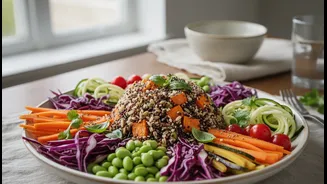
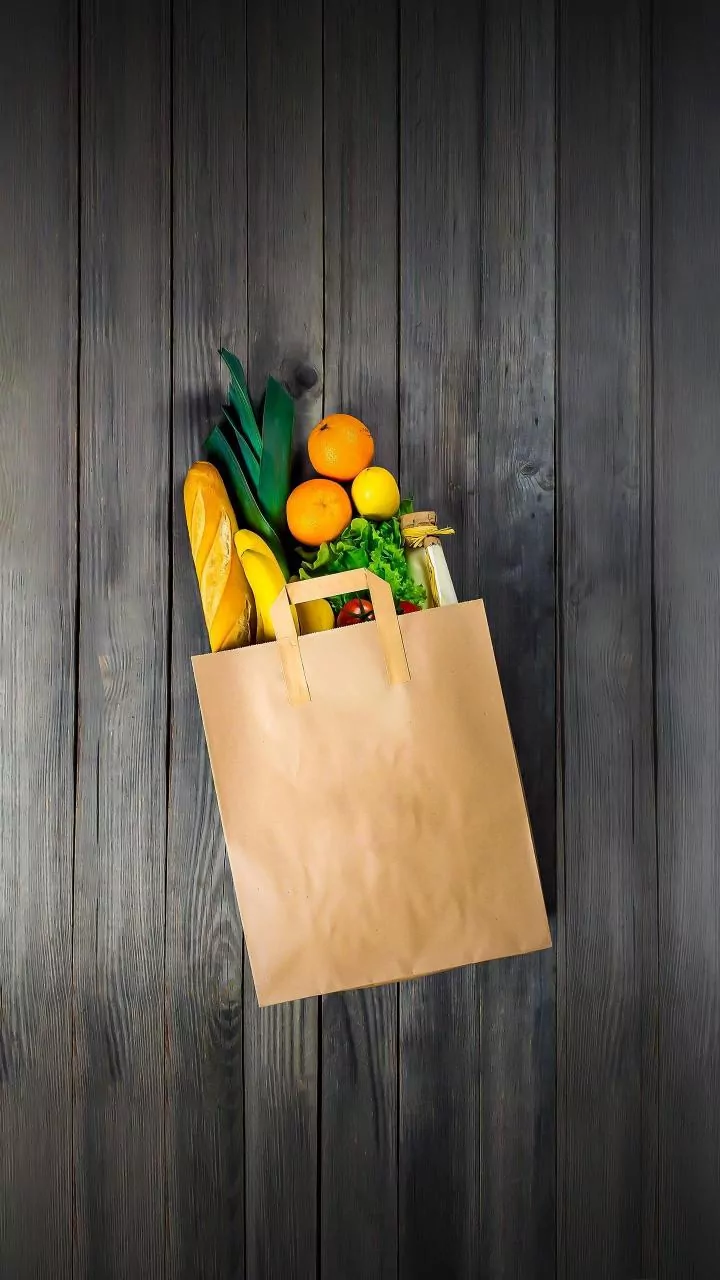
You don't need a complete diet overhaul. Small, consistent changes can make a big difference. Start by choosing whole fruits like guavas, apples, and bananas over fruit juices to retain all the beneficial fibre. Snack on roasted chana or a handful of nuts instead of processed snacks. You can also sprinkle powdered flaxseeds or chia seeds into your chapati dough, yogurt, or smoothies for an almost unnoticeable fibre boost. Even breakfast favourites can be upgraded; try adding vegetables like peas and carrots to your poha or upma.