


Why One-Pot Pasta Reigns Supreme
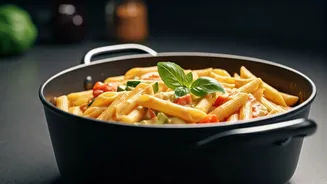
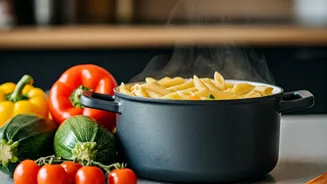
The magic of one-pot pasta lies in its beautiful simplicity. By cooking everything together—pasta, vegetables, and sauce—you unlock a world of flavour and efficiency. The pasta doesn't just boil in water; it simmers in a flavourful broth, absorbing all
the aromatic goodness from the garlic, herbs, and vegetables. The starches released from the pasta work to thicken the sauce naturally, creating a creamy, cohesive dish without needing extra steps or ingredients. This method is a game-changer for anyone short on time or energy. It's fast, incredibly flavourful, and, best of all, leaves you with just a single pot to wash. It’s the ultimate low-effort, high-reward meal for those busy evenings when you crave comfort without the chaos.
The Master Recipe: 25-Minute Vegetable Pasta
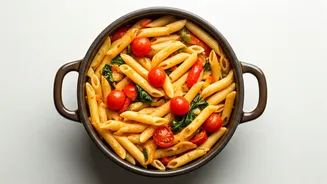
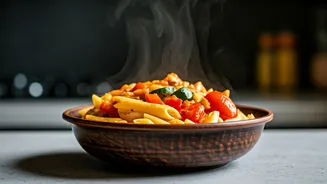
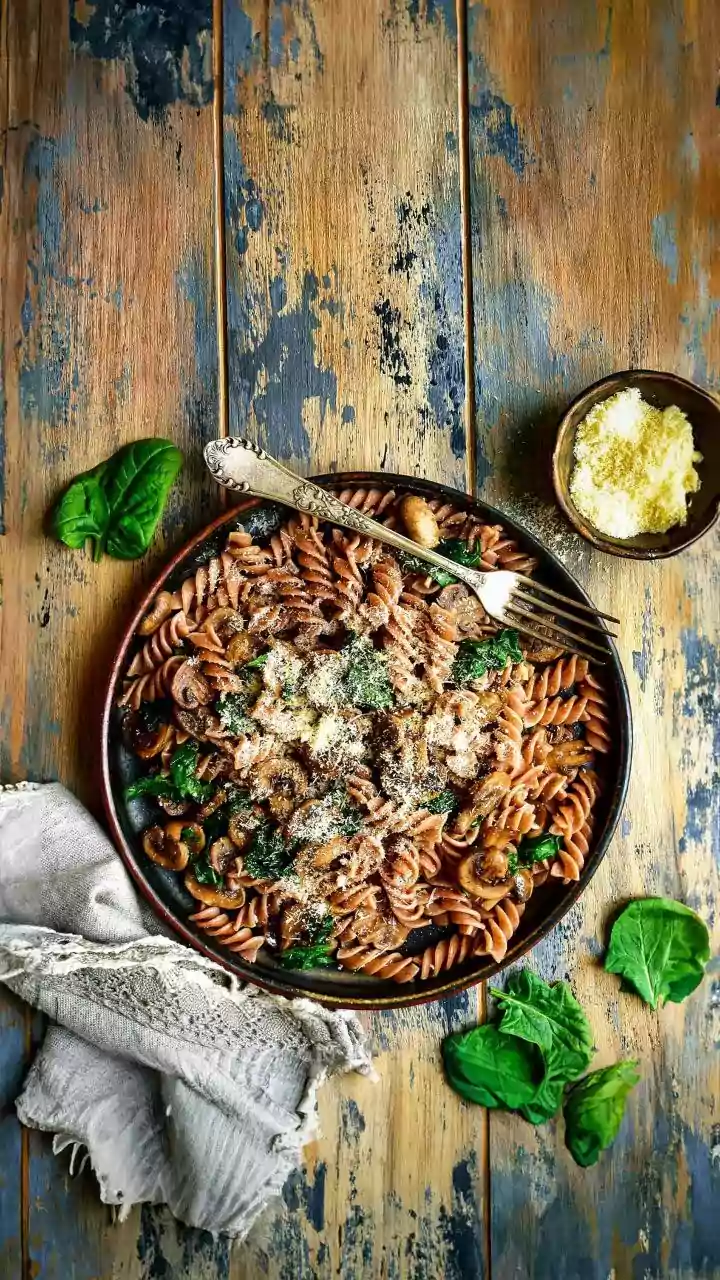
This recipe is a blueprint for success, ready in about 25 minutes and endlessly adaptable. We're using a mix of classic vegetables and a simple tomato-based sauce. For this, you will need short pasta like penne or fusilli, olive oil, a medium onion, a few cloves of garlic, sliced mushrooms, a zucchini, canned diced tomatoes, vegetable broth, and some fresh spinach. Start by heating olive oil in a large pot or Dutch oven over medium heat. Sauté the chopped onion and mushrooms until they soften. Add the minced garlic and cook for another minute until fragrant. Now for the easy part: add the vegetable broth, canned tomatoes, and the dry pasta to the pot. Bring everything to a simmer, then reduce the heat, cover, and let it cook. Stir occasionally to prevent sticking. The goal is to let the pasta become tender while absorbing the flavourful liquid.
Tips for Perfect Results Every Time
To ensure your one-pot pasta is a triumph and not a tragedy, a few key tips make all the difference. First, use a large, wide pot like a Dutch oven to give your ingredients enough space to cook evenly. Stirring is crucial, especially in the first few minutes after adding the pasta and more frequently towards the end of cooking, to prevent the noodles from clumping or sticking to the bottom. Getting the liquid-to-pasta ratio right is also important. A good rule of thumb is to have enough liquid to just cover the pasta; you can always add a splash more broth if it looks too dry before the pasta is cooked. To avoid mushy vegetables, add heartier ones like chopped carrots or bell peppers earlier, and quick-cooking vegetables like zucchini and spinach in the last few minutes of cooking. Finally, don't be afraid to season well. The pasta will absorb the flavours from the cooking liquid, so make sure your broth is well-seasoned from the start.
Easy Variations and Finishing Touches
One of the best aspects of this dish is its versatility. Think of the recipe as a template you can customize based on what you have in your fridge. Swap the spinach for kale, or add a can of chickpeas or white beans for a protein boost. For a creamier texture, stir in a splash of heavy cream, milk, or a dollop of crème fraîche at the end. A handful of grated Parmesan or cheddar cheese melted in will add a rich, savoury finish. You can also change the flavour profile entirely. Try adding a spoonful of pesto, sun-dried tomatoes, or a pinch of red pepper flakes for some heat. Before serving, a squeeze of fresh lemon juice or a sprinkle of fresh herbs like basil or parsley can brighten up the entire dish, adding a final layer of freshness.