








The Rise and Reign of the Shared Table
For much of the last decade, the communal table was an icon of urban cool in India. Inspired by global trends and perfectly suited for the millennial desire to socialise, graze, and linger, these large tables were more than just furniture. They were a statement.
For restaurateurs, they offered a practical solution: maximising floor space and creating a vibrant, energetic buzz that made an establishment look popular and inviting. For diners, especially those eating alone, they removed the potential stigma of a 'table for one', offering a sense of belonging within a crowd. This style of non-traditional seating was particularly appealing to a younger clientele craving social experiences, transforming cafes and eateries into lively hubs of interaction.
The Post-Pandemic Pivot to Personal Space
The global pandemic acted as a powerful catalyst for change. Suddenly, proximity to strangers was a source of anxiety, not energy. The immediate response involved spacing tables far apart, erecting plexiglass barriers, and prioritising hygiene above all. While many of those stark measures have faded, the psychological impact remains. Diners emerged from lockdowns with a heightened appreciation for personal space and the comfort of their own social bubble. This accelerated a move away from forced socialisation. The focus shifted to creating layouts that limited interaction between different groups, with many restaurants expanding or creating outdoor and rooftop spaces that offered a greater sense of safety and separation.
A New Era of Intimacy and Intention
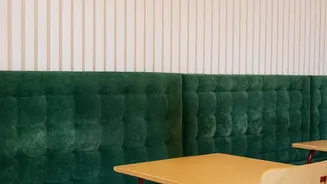
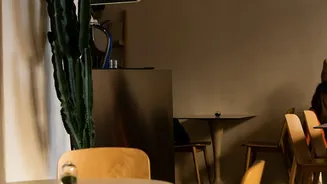
The decline of the one-size-fits-all communal table has given rise to a more diverse and intentional approach to restaurant design. The focus is now on creating a variety of experiences within a single space. This includes intimate corners with cosy seating for couples, comfortable booths for families, and flexible arrangements for groups. We're also seeing the rise of the solo diner as a valued customer. No longer an afterthought, people choosing to dine alone are being specifically catered for with counter seats overlooking an open kitchen, small individual tables, and menus offering half portions or tasting formats. This shift acknowledges that being alone in public is increasingly a choice of liberation and self-care, not a mark of loneliness.
Designing for a Diverse Dining Public
Today's restaurant designers understand that layout is a powerful psychological tool. The arrangement of tables sends subtle messages about value, exclusivity, and comfort. Where a guest is seated can dramatically influence their perception of the experience and their spending behaviour. The new approach is about providing options. While some Gen-Z diners reportedly enjoy the serendipity of communal tables, many others prefer the guaranteed comfort of a private space. Restaurateurs are realising that a successful layout balances different needs. It might feature a prominent bar to create energy, secluded banquettes for lingering conversations, and adaptable tables for larger parties. The goal is to make every guest feel like they have been given a 'good' table, one that feels intentional and well-treated.