





What Exactly Is AI Shade Matching?
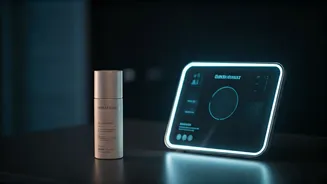
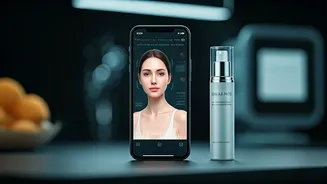
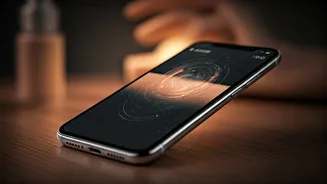
At its core, AI shade matching uses artificial intelligence and your phone's camera to find your ideal foundation colour. Instead of guessing under harsh store lighting or relying on quizzes about whether your veins look blue or green, this technology
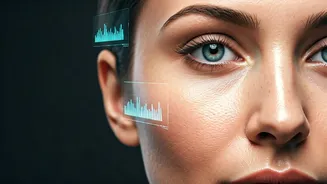
analyzes your skin directly. By uploading a selfie or using a live camera feed, an AI algorithm assesses your unique skin tone, including the subtle undertones that make finding a match so tricky. The system then cross-references this data with a vast library of foundation products to recommend your perfect shade.
How Does It Actually Work?
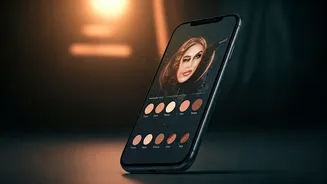
The process is surprisingly simple for the user. It typically starts with taking a photo or a short video, sometimes holding a special colour-calibration card to your face for improved accuracy. The AI then gets to work, detecting dozens, if not hundreds, of points on your face to isolate your skin. It analyzes these areas to determine your precise shade, factoring in nuances like melanin distribution and how light reflects off your skin. This is far more sophisticated than the human eye. The technology can then recommend specific products and even allow you to 'virtually' try them on using an augmented reality (AR) overlay, showing you how the foundation looks on your own face in real-time.
A Revolution in Inclusivity
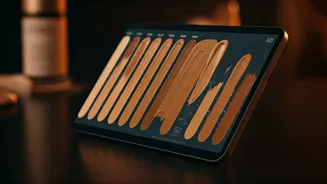
Perhaps the most significant reason for the rise of AI shade matching is its power to promote inclusivity. For decades, the beauty industry has been criticized for its limited shade ranges, often leaving consumers with deeper skin tones or unique undertones with few options. AI-driven tools help to dismantle this one-size-fits-all approach. By focusing on data from an individual's skin, the technology moves beyond broad categories like 'light, medium, and dark'. Brands can now cater to a much wider and more diverse audience, ensuring that everyone can find a product that truly matches them. This shift is not just about technology; it is about making the beauty space more representative and accessible for all.
Beyond the Foundation Bottle
While foundation is the star of the show, the application of this technology is rapidly expanding. AI analysis is now being used to recommend complementary products like concealers, powders, and even blush tones that will work with your complexion. The same principles are also being applied to skincare, with AI tools analyzing your skin for concerns like dryness, acne, or fine lines to suggest personalized routines and products. We are moving toward a future of hyper-personalization, where your entire beauty routine can be tailored specifically to you, based on data-driven insights.
Is It a Perfect Solution?
While incredibly promising, AI shade matching isn't foolproof—at least not yet. The accuracy of the match can be heavily influenced by factors like your phone's camera quality and, most importantly, lighting. Taking a photo in a poorly lit room can skew the results. Furthermore, the algorithms themselves are only as good as the data they are trained on. If a dataset lacks diversity, the recommendations can still have biases. However, the technology is constantly learning and improving. Many platforms are now built on inclusive frameworks like the Monk Skin Tone Scale to ensure better representation from the start. It's best to view these tools as a powerful guide, not an infallible oracle.