



The Foundation: Parippu and Ghee
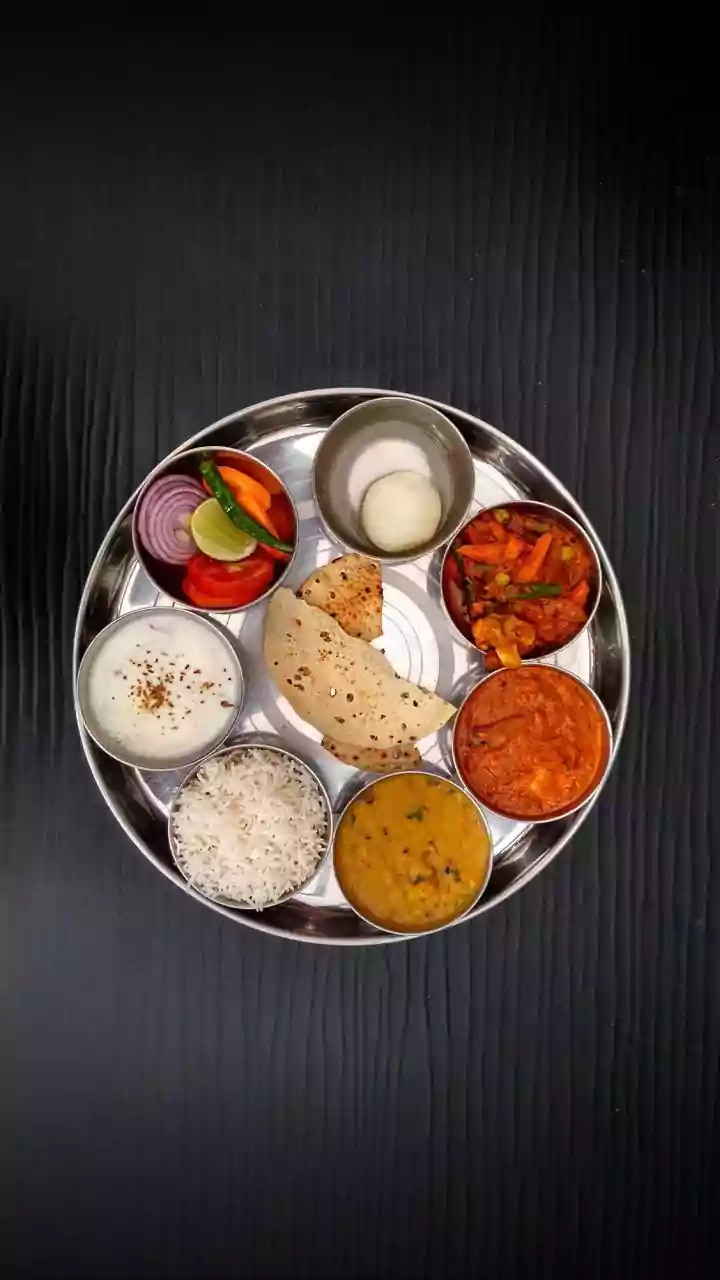
The sadhya traditionally begins with a serving of fluffy Kerala Matta rice, a nutty red rice that forms the canvas for the meal. The first course is Parippu, a humble but soul-satisfying curry made from moong dal (split green gram) cooked with coconut,
green chillies, and cumin. A spoonful of this creamy lentil preparation is poured over the rice, followed by a dollop of fragrant ghee. This simple combination, often mashed together with a crisp pappadam, is a comforting start that prepares the palate for the flavour journey ahead.
Avial: The Star of the Show
No Onam sadhya is complete without Avial, a dish that is the very essence of Keralan resourcefulness. Legend says it was invented by the Pandava brother Bhima during exile. This thick, colourful medley of seasonal vegetables like yam, drumsticks, carrots, and raw banana is cooked in a rich paste of ground coconut and yogurt. Finished with a generous drizzle of coconut oil and fresh curry leaves, its mildly spiced, creamy texture makes it a standout preparation and a true icon of Kerala cuisine.
Sambar: The Familiar Favourite
While Sambar is a South Indian staple, the version served during a sadhya is distinct. It’s a thicker, richer stew of lentils and vegetables like pumpkin, okra, and drumsticks, simmered in a tangy tamarind broth and fragrant spice blend. Its robust flavour profile makes it a perfect pairing for rice, and it's a dish that brings a sense of familiar warmth to the elaborate spread.
Erissery: Sweet and Savoury Harmony
Erissery is a delightful curry that beautifully balances sweet and savoury notes. Typically made with pumpkin and black-eyed peas, it's simmered in a coconut gravy and then garnished with toasted coconut flakes. This finishing touch adds a wonderful texture and a nutty aroma, making Erissery a unique and much-loved component of the feast that showcases Kerala's expert use of coconut in its many forms.
Kalan and Pulissery: The Tangy Duo
These yogurt-based curries provide a tangy counterpoint to the other dishes. Kalan is a thicker, more sour preparation, often made with yam or raw plantain, and has a long shelf life. Pulissery is slightly sweeter and thinner, often featuring ripe mangoes or pineapple in a fragrant coconut and yogurt base. Both offer a refreshing tartness that cleanses the palate during the meal.
Olan: The Subtle and Mild
In a feast known for its complex flavours, Olan stands out for its elegant simplicity. This very mild curry is prepared with ash gourd and red cowpeas, cooked gently in thin coconut milk and seasoned with a final touch of coconut oil. Its subtle, clean taste provides a soothing break from the spicier and tangier dishes, embodying the principle of balance that is central to the sadhya.
The Accompaniments: Pickles and Crunch
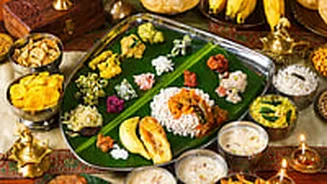
A sadhya is as much about the small accompaniments as it is about the main curries. These are served on the upper half of the banana leaf. You will find Upperi (banana chips) and the sweet, jaggery-coated Sharkara Varatti. Essential pickles like Inji Puli (a sweet and sour ginger-tamarind chutney) and Naranga Curry (lime pickle) provide sharp, pungent bursts of flavour that cut through the richness of the meal. A crisp Pappadam is a must-have for adding texture.
Payasam: The Sweet Finale
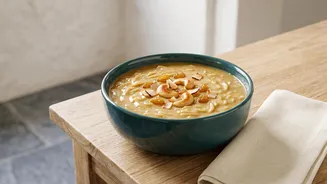
The feast traditionally concludes with Payasam, a sweet dessert that signifies a joyous and auspicious end. There are often multiple varieties. Palada Pradhaman, made with rice flakes cooked in milk and sugar, is a creamy classic. Parippu Pradhaman, on the other hand, is a richer, jaggery-based dessert made with lentils and coconut milk. Often, a small, ripe banana is served alongside to be mashed into the payasam, adding another layer of sweetness.