






The Digital Bridge to Bharat
The single biggest catalyst for this transformation is the digital revolution. E-commerce platforms like Nykaa, Flipkart, and Amazon have effectively erased the geographical boundaries that once limited access to premium and trendy beauty products. A shopper
in Gorakhpur or Kottayam can now browse and buy the same global brands and viral products as someone in Mumbai or Delhi, often with the convenience of quick commerce delivering orders faster than ever. This digital access has been a game-changer, with online shopping making global beauty trends accessible to consumers in smaller cities almost instantaneously. As a result, e-commerce is the fastest-growing channel for beauty, far outpacing the growth of physical stores.
Meet the New Aspirational Consumer
This shift isn't just about logistics; it's about a new consumer mindset. Driven by rising disposable incomes and immense social media exposure, shoppers in non-metro India are more informed and aspirational than ever. They are no longer content with basic products and are actively seeking quality, efficacy, and brands that align with their values. This consumer is often a digitally-savvy Gen Z or Millennial, who sees beauty as a daily ritual and a form of self-expression, not just for special occasions. They look to social media influencers—often regional creators they trust—for authentic recommendations on products for Indian skin tones and local climates, making the discovery process feel personal.
How Brands are Pivoting to Pin Codes
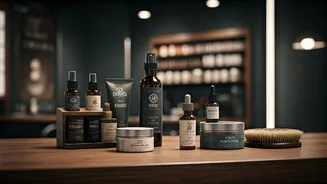
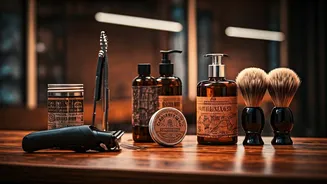
Beauty brands, both new and legacy, are taking notice and rapidly adapting their strategies. Direct-to-consumer (D2C) brands have been particularly agile, leveraging social media and targeted digital ads to build communities and reach customers directly in smaller towns. Many report that the majority of their sales now come from outside the metros. Even luxury brands are expanding their physical footprint into cities like Lucknow, Indore, and Chandigarh, recognizing the growing appetite for premium products. This omnichannel approach combines the reach of e-commerce with the experiential nature of offline stores, allowing customers to test and discover products firsthand. From offering affordable 'mini' versions of luxury products to catering to the booming men's grooming segment, brands are innovating to capture this burgeoning market.
The Rise of Social Commerce
The line between social media and shopping has blurred into what is now called social commerce. Platforms like Instagram and YouTube are no longer just for discovery; they are becoming storefronts. Influencers and creators can host live streams, demonstrate products, and generate sales in real-time, collapsing the traditional marketing funnel. This trend is especially powerful in Tier 2 and 3 markets, where a trusted recommendation from a local creator can be more effective than a celebrity endorsement. For brands, this means shifting marketing budgets toward authentic, relatable content that builds trust and drives immediate conversions. The focus is on community and engagement, turning followers into loyal customers.