





The Familiar Agony of Mushy Lauki
Bottle gourd, or lauki, is a beloved vegetable in countless Indian households. It’s light, hydrating, and wonderfully subtle. But it has a significant flaw: it turns to mush in the blink of an eye. Due to its high water content and delicate flesh, even
a few extra minutes on the stove can transform it from tender to a textureless pulp. This is especially true in curries and sabzis, where it often gets overcooked while waiting for other ingredients to soften, leading to a disappointing meal that lacks texture.
Meet Your New Zero-Waste Hero: Watermelon Rind
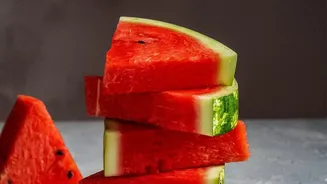
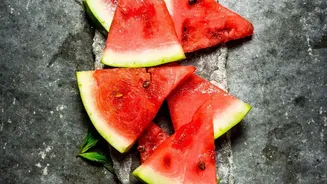
Before you toss the remains of your summer fruit, consider the white part of the watermelon rind. This is no longer just compost fodder; it is a versatile vegetable in its own right. Raw, it has a crisp, cucumber-like texture. When cooked, it miraculously holds its shape, offering a firm and satisfying bite that is structurally superior to overcooked lauki. Its mild flavour is another asset, as it acts like a sponge, readily soaking up the spices of any curry or sabzi without overpowering them. By using the rind, you're not just upgrading your dish's texture; you're also embracing a smart, sustainable, and zero-waste approach to cooking.
Preparing the Rind for Cooking
Getting the rind ready is simple. First, make sure you've cut away most of the pink flesh. Using a sturdy vegetable peeler or a paring knife, carefully remove the tough, dark green outer skin. You'll be left with the firm, pale white or light green part. This is the portion you will cook with. Cut it into bite-sized cubes or pieces, similar to how you would chop bottle gourd or pumpkin for a sabzi. It should feel firm like a raw cucumber; if it's spongy, you may have left too much of the pink flesh on. Now, it's ready to be transformed.
A Simple Sabzi That Showcases the Crunch
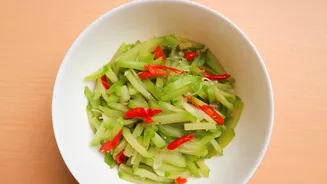
The easiest way to test the rind's superiority is to use it in a classic Indian stir-fry. In many North Indian homes, it's used to make 'tarbooz ke chilke ki sabji'. You can adapt your favourite lauki recipe directly. Start by heating oil and tempering it with cumin seeds, mustard seeds, and a pinch of asafoetida (hing). Sauté some ginger and green chillies, then add your spices like turmeric, coriander powder, and red chilli powder. Add the cubed watermelon rind, season with salt, and cook on medium heat. It typically takes about 15-20 minutes to become tender yet remain firm. Unlike lauki, it won't dissolve into the gravy, ensuring every spoonful has a delightful crunch.
More Than Just a Lauki Substitute
The culinary potential of watermelon rind extends far beyond just sabzis. Its firm texture makes it an excellent candidate for pickles, chutneys, and even sweet preserves or candies. In South India, it’s used in yoghurt-based curries like 'majjige huli'. Some chefs stir-fry it with other vegetables, where it adds a pleasant crunch. Its nutritional profile is another plus; the rind is a good source of fibre and contains nutrients like citrulline, Vitamin C, and potassium, making it a healthy addition to your diet.