


The Problem with the Big Pot
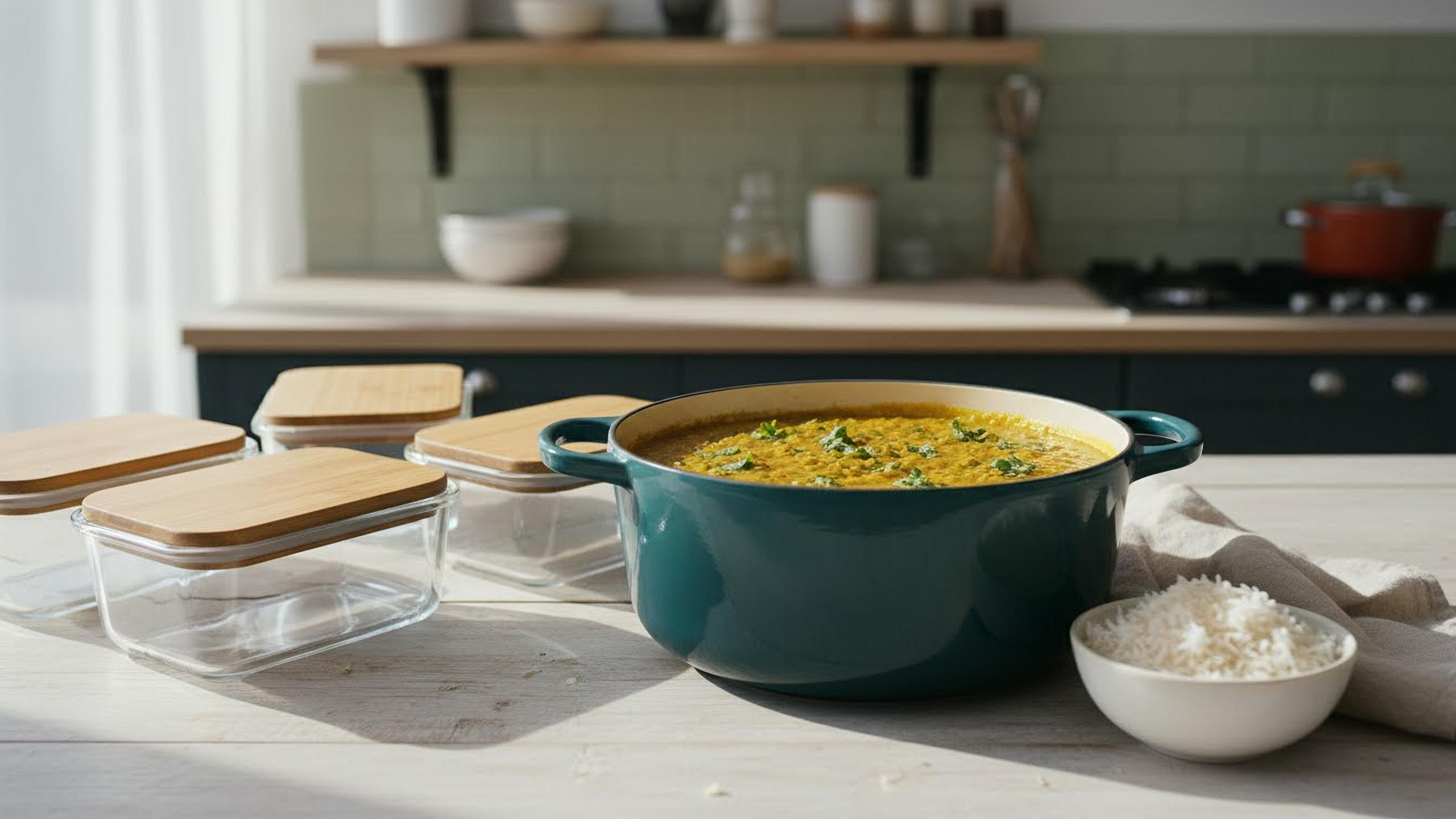
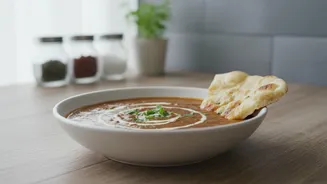
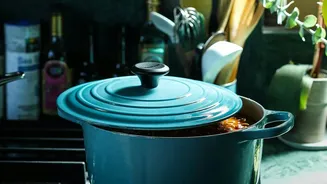
We’ve all done it: cooked a massive batch of soup, stew, or sauce and left the entire pot to cool on the stove for a few hours before cramming it into the fridge. While convenient, this is one of the most common causes of foodborne illness. The issue
is that a large, deep volume of food acts as its own insulator, holding heat at its core for a dangerously long time. While the outside edges might feel cool to the touch, the center of the pot can remain in the 'temperature danger zone' for hours. This is the temperature range where bacteria like E. coli and Salmonella multiply rapidly, doubling their numbers in as little as 20 minutes. Placing a massive, hot pot directly into the refrigerator isn't a great solution either. It can raise the ambient temperature of your fridge, putting other foods at risk.
Understanding the 'Danger Zone'
Food safety guidelines from agencies like the FDA define the temperature danger zone as being between 41°F and 135°F (5°C and 57°C). The goal is to move food through this range as quickly as possible. The longer food sits in this zone, the greater the risk of bacterial proliferation. Food service professionals follow a strict two-stage cooling method: food must cool from 135°F down to 70°F (21°C) within two hours, and then from 70°F down to 41°F (5°C) within the next four hours. The first stage is the most critical because the upper end of the danger zone is where bacterial growth is most aggressive. Failing to meet these timelines means the food may be unsafe to eat and should be discarded.
The Shallow Container Solution
This is where the physics of heat transfer comes to the rescue. The most effective way to cool food quickly is to increase its surface area. Instead of leaving your large batch in a deep pot, divide it among several shallow containers. Think roasting pans, sheet pans, or wide, flat food storage containers. By spreading the food out into a thinner layer—ideally two inches deep or less—more of it is exposed to the cooler air. This allows heat to escape much more rapidly and evenly, ensuring the entire batch moves through the danger zone in a safe amount of time. You're simply giving the heat more pathways to escape.
Best Practices for a Rapid Chill
Beyond just using shallow containers, you can employ several other tricks to accelerate cooling. One popular method is an ice bath. Place your smaller containers of food into a larger basin or a clean sink filled with ice and a little water, then stir the food periodically. The cold water provides a highly efficient medium for drawing heat out of the containers. Speaking of stirring, it’s a simple but powerful tool; it moves the warmer food from the center to the cooler edges, promoting even temperature distribution. You can also add ice directly as an ingredient if the recipe allows, like in a soup or broth. Another tip is to let the containers cool slightly on a wire rack for 20-30 minutes before refrigerating, allowing air to circulate underneath. When you do put them in the fridge, cover them loosely at first to let steam and heat escape.
Choosing the Right Vessel
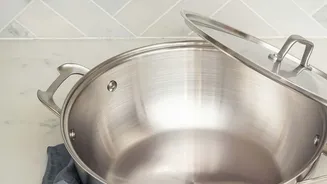
The material of your container also plays a role. Metals like aluminum and stainless steel have high thermal conductivity, meaning they transfer heat very effectively. This makes metal pans excellent for cooling foods quickly. Glass is also a good conductor of heat. Plastic, on the other hand, is a poor conductor and will slow down the cooling process. So, when you're focused on rapid cooling, reach for your metal or glass pans. Once the food is thoroughly chilled to 41°F or below, you can transfer it to any airtight container you prefer for longer-term storage in the fridge or freezer.