





Choose Planet-Friendly Rainwear
Monsoon preparedness often starts with a raincoat and umbrella, but cheap, disposable options contribute significantly to plastic pollution. Instead of buying a new plastic poncho every year, invest in durable, high-quality rain gear designed to last many
seasons. Look for brands that use recycled materials or offer repair programs. For clothing, choose breathable and quick-drying fabrics like organic cotton, linen, or bamboo. These natural fibers are more comfortable in the humidity and allow air to circulate, keeping you cool and reducing the clammy feeling associated with synthetic materials like polyester.
Manage Dampness and Mould Naturally
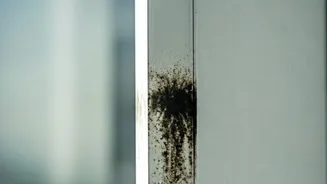
The biggest challenge during the monsoon is the constant dampness that leads to mould and mildew. Before reaching for chemical-laden sprays, try natural alternatives to keep your home fresh and dry. Increasing ventilation by opening windows when it's not raining is the first step. You can also place natural dehumidifiers in cupboards and corners. Bowls of rock salt or charcoal briquettes are excellent at absorbing moisture. For a pleasant fragrance and added anti-fungal properties, use camphor tablets or place dried neem leaves in your wardrobe. Regularly wiping down surfaces with a solution of white vinegar and water can also prevent mould growth on walls and furniture.
Embrace Natural Pest Repellents
Mosquitoes and other insects are an unavoidable part of the monsoon. Instead of relying on chemical coils and sprays that can pollute indoor air, turn to nature’s repellents. Planting mosquito-repelling plants like tulsi, lemongrass, mint, and marigold near windows and doors can create a natural barrier. For a homemade repellent spray, mix essential oils like citronella, neem, or lavender with water and spritz it around your home. An age-old Indian method is to place lemon halves studded with cloves in rooms to keep mosquitoes away. It's also crucial to eliminate stagnant water in and around your home—in buckets, plant saucers, or clogged drains—as these are breeding grounds for mosquitoes.
Harvest the Rain
Rainwater is a valuable and free resource that often goes to waste. Setting up a simple rainwater harvesting system can significantly reduce your reliance on municipal water, especially for non-potable uses. Even a basic setup using buckets or a drum connected to a rooftop outlet can collect enough water for gardening, cleaning floors, or washing your vehicle. This practice not only conserves precious groundwater but can also lower your water bills. Furthermore, rainwater is naturally soft and free of chemicals like chlorine, which makes it better for your plants.
Practice Mindful Waste Management
Waste management becomes more challenging during the monsoon as organic waste gets soggy and starts to smell. Segregating your waste becomes even more important. Ensure your wet waste is kept in a well-sealed bin to prevent pests and odour. If you have a compost bin, add dry materials like dried leaves, sawdust, or shredded newspaper to balance the moisture from wet kitchen scraps. Avoid using thin plastic garbage bags that can easily tear and spill their contents. A little extra care in how you dispose of waste can keep your home and neighborhood cleaner and more hygienic during the wet months.