


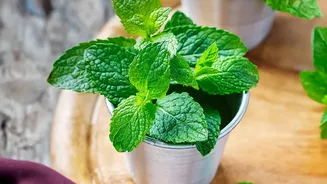

The aroma of fresh herbs can feel like a distant memory in winter. But with a sunny windowsill, you can easily grow your own organic Tulsi, mint, and coriander, bringing vibrant flavour and fragrance to your kitchen all season long.
Setting Up Your Windowsill Garden
Success with indoor
herbs begins with the right foundation. Before you even think about seeds or plants, assess your space. Most herbs, including Tulsi, mint, and coriander, need a good amount of light to thrive indoors. A south-facing window that receives at least four to six hours of direct sunlight is ideal. If you lack a sunny spot, a simple LED grow light can effectively supplement natural light. Next, choose your containers. While any pot with drainage holes will work, terracotta pots are a great choice for herbs like Tulsi that prefer soil to dry out slightly. For moisture-loving plants like mint, plastic or ceramic pots can help retain water. Ensure pots are large enough to accommodate growth; an 8-inch diameter is a good starting point for mint, while coriander and Tulsi appreciate deeper pots. Finally, use a high-quality, well-draining potting mix. Avoid using heavy garden soil, which compacts easily and can lead to root rot. An organic mix formulated for herbs or vegetables is perfect.
Spotlight on Tulsi (Holy Basil)
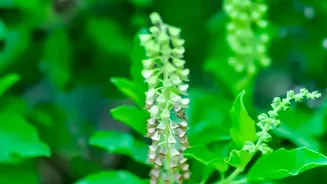
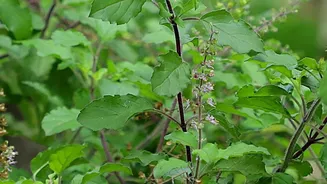
Revered in many Indian households, Tulsi is a sun-loving plant that needs warmth to flourish. During winter, it's crucial to place it in your sunniest, warmest spot, receiving at least 4-6 hours of light daily. Morning sun is particularly beneficial. Tulsi is sensitive to cold drafts, so keep it away from open windows or vents. When it comes to watering, Tulsi dislikes 'wet feet'. Allow the top inch of soil to dry out completely before watering again; overwatering is a common reason for yellowing leaves in winter. While you can grow Tulsi from seed, starting with a small plant or a cutting from an established one is often easier for beginners. To encourage a bushy, full plant, regularly pinch off the top sets of leaves and any flower stalks (manjari) that appear. This directs the plant's energy into producing more of its aromatic leaves.
Mastering Easy-to-Grow Mint
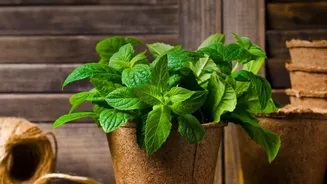
Mint is famously vigorous and one of the most forgiving herbs for indoor gardening, making it perfect for beginners. Its aggressive nature, which can be a problem outdoors, is a benefit when contained in a pot. Mint is not as demanding about light as Tulsi but still prefers a bright spot with four to six hours of indirect sunlight. An east-facing window works well. The fastest way to start is not from seed, but from a cutting. Simply place a healthy stem in a glass of water, and roots should appear in about a week or two. Once rooted, you can plant it in a wide container with good potting soil. Keep the soil consistently moist but not waterlogged. Mint enjoys regular harvesting, which encourages it to become fuller and more productive. Don't be shy about snipping leaves for your tea or chutneys.
Tips for Thriving Coriander (Dhania)
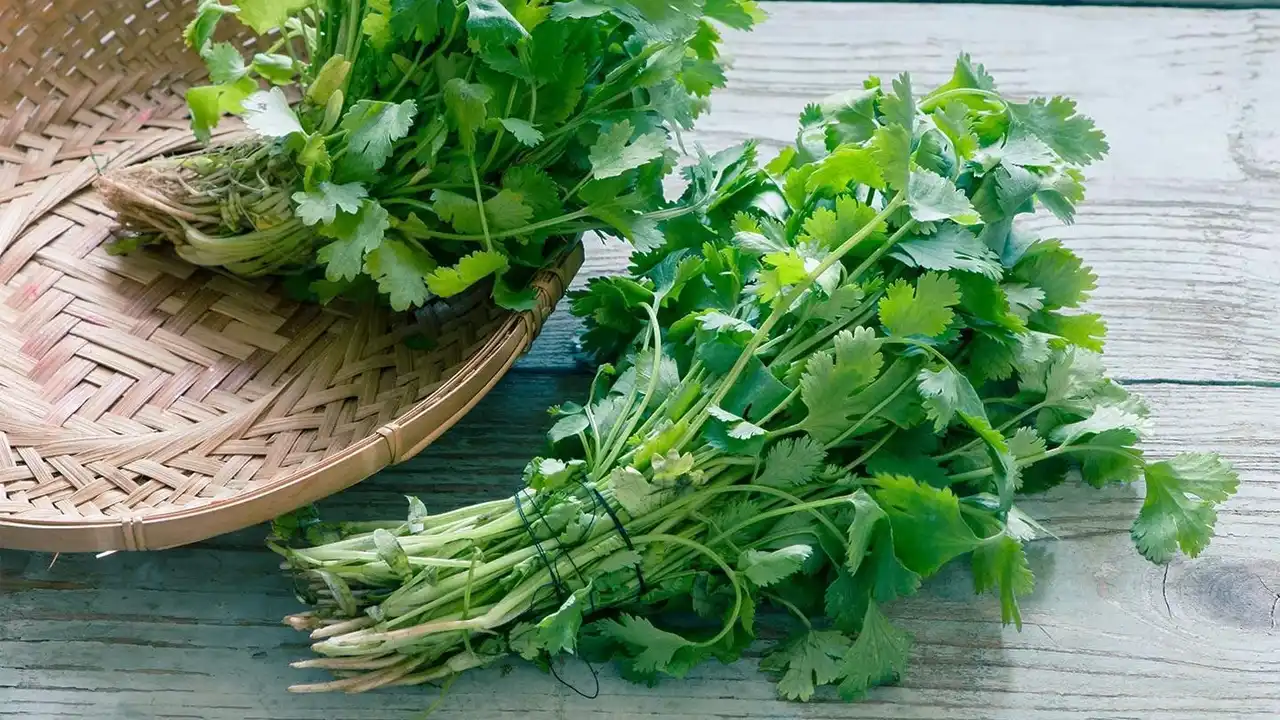
Fresh coriander, or dhania, is a staple in Indian cooking, but it can be tricky to grow indoors because it has a tendency to 'bolt'—meaning it quickly flowers and goes to seed, which can make the leaves taste bitter. The key to a continuous supply is successive planting. Sow a new batch of seeds every few weeks. Coriander grows best from seed, which you can sow directly into a deep pot. Unlike Tulsi, coriander prefers cooler conditions. A spot on a bright windowsill that doesn't get scorching hot afternoon sun is ideal. Keep the soil evenly moist. To harvest, snip the outer, larger leaves first, allowing the inner leaves to continue growing. This method can prolong the harvesting period before the plant inevitably bolts.
Ongoing Care and Harvesting
Once your herbs are established, a simple care routine will keep them healthy. Water your plants based on their individual needs by checking the soil moisture. Rotate your pots every few days to ensure all sides get even light, which prevents the plants from leaning. Regular harvesting is the best way to encourage lush, bushy growth for all three herbs. When you prune, always cut just above a set of leaves. This will stimulate the plant to send out new shoots from that point, resulting in a fuller plant and a more generous harvest. With this small indoor garden, you'll have the pleasure of snipping fresh, organic herbs to elevate your meals and drinks throughout the winter.