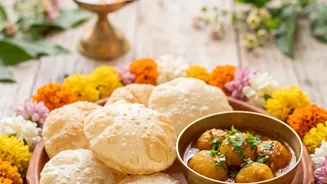

In a recent, rare glimpse into her family’s private life, Sonia Gandhi shared that festive meals in the Nehru-Gandhi household have long been graced by the distinctive flavours of Kashmiri cuisine, a tradition that continues to this day.
A Taste of Heritage at Home
In a video conversation
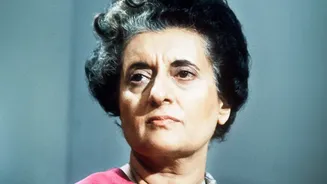
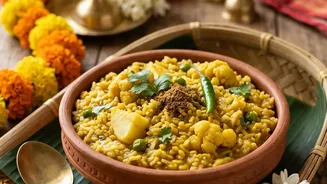
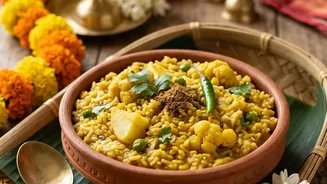
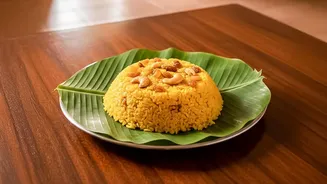
with her daughter Priyanka Gandhi Vadra and granddaughter Miraya, Sonia Gandhi reminisced about Diwali celebrations at 1, Safdarjung Road, the residence of her late mother-in-law, former Prime Minister Indira Gandhi. She recalled that alongside the lighting of diyas, a key part of their festivals was the preparation of Kashmiri food, specifically mentioning a 'sweet rice' dish which the family still makes. This culinary practice is a direct link to the family's lineage as Kashmiri Pandits, a heritage Indira Gandhi cherished through food and customs.
The Two Kitchens of Kashmir
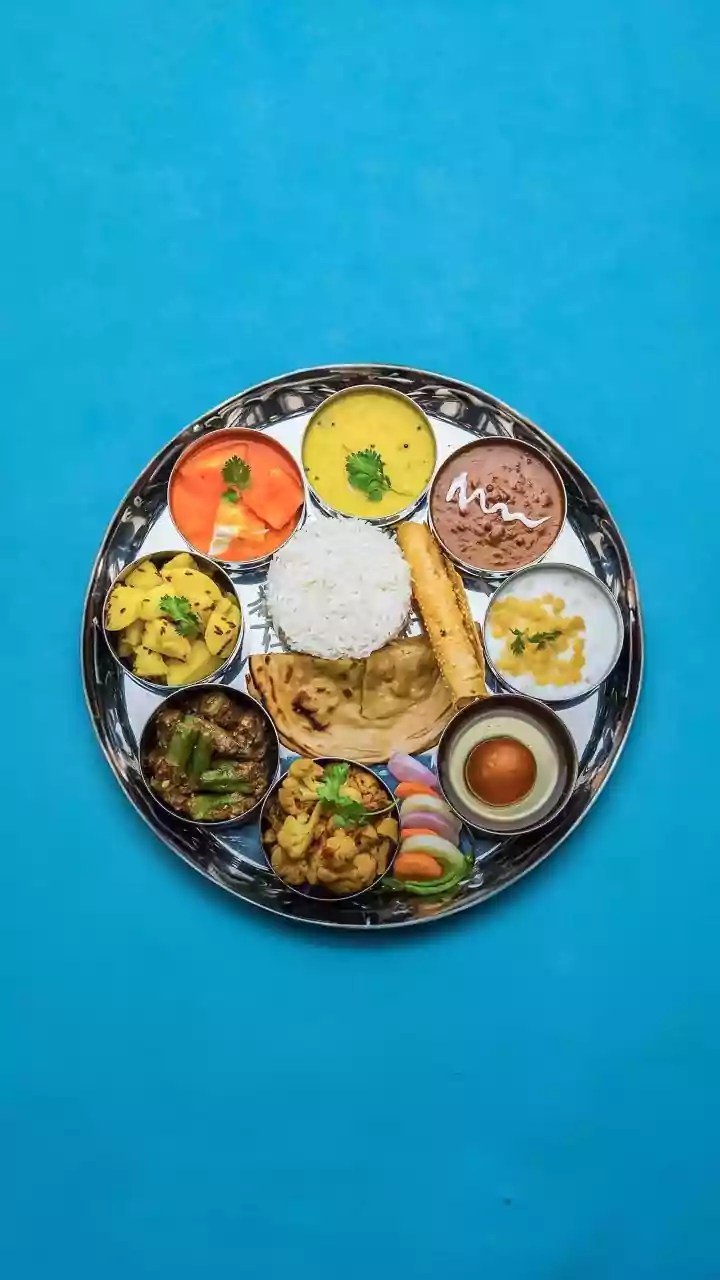
When one thinks of Kashmiri food, the first thing that often comes to mind is the 'Wazwan', a lavish multi-course meal central to Kashmiri Muslim tradition. However, there is a second, equally ancient culinary tradition: that of the Kashmiri Pandits. The Nehru family's roots lie in this community. Kashmiri Pandit cuisine is distinct in its flavour profile. A key difference is the traditional absence of onion and garlic, which are staples in most Indian cooking. Instead, the savoury depth comes from asafoetida (hing), while yogurt often forms the base of the gravies, lending them a unique, tangy character.
Dishes That Define a Pandit Feast
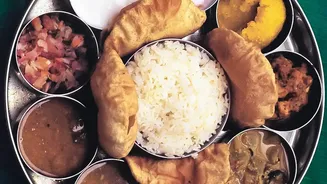
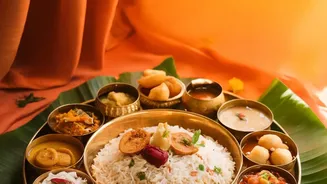
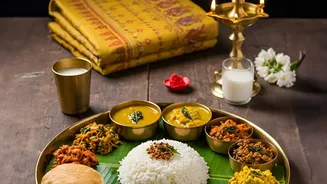
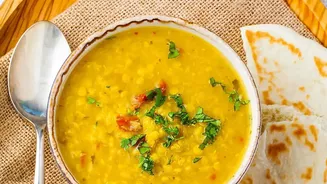
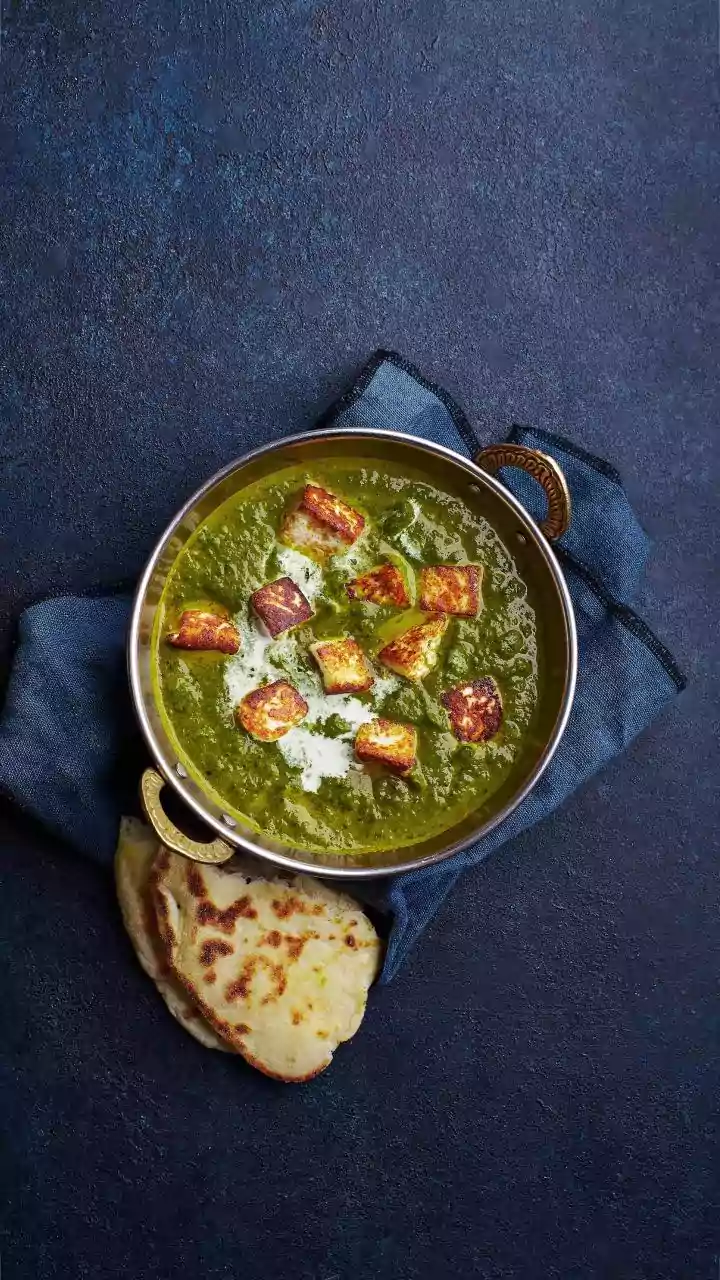
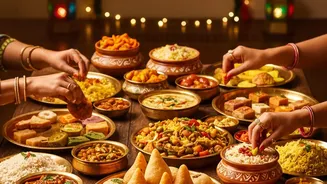
A festive Pandit meal would likely feature a spread of iconic dishes. Mutton is a prominent feature, with Kashmiri Pandits being one of the few Brahmin communities that traditionally eat meat. The star is often Rogan Josh, a slow-cooked lamb dish celebrated for its brilliant red gravy. The Pandit version gets its colour from Kashmiri red chillies and an herb called ratan jot, and its signature aroma from fennel powder and dry ginger powder, not a typical garam masala blend. Another favourite is Yakhni, a delicate yogurt-based mutton curry. In a recent interview, Sonia Gandhi also listed Kashmiri kofta and 'haakh'—a simple but beloved dish of collard greens—as personal favourites. Haakh is considered a daily staple in Kashmir, but its preparation with hing is a hallmark of the Pandit kitchen.
Sweet Rice and Festive Specialties
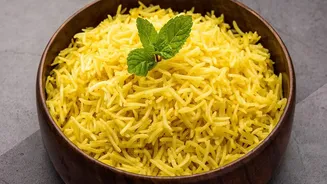
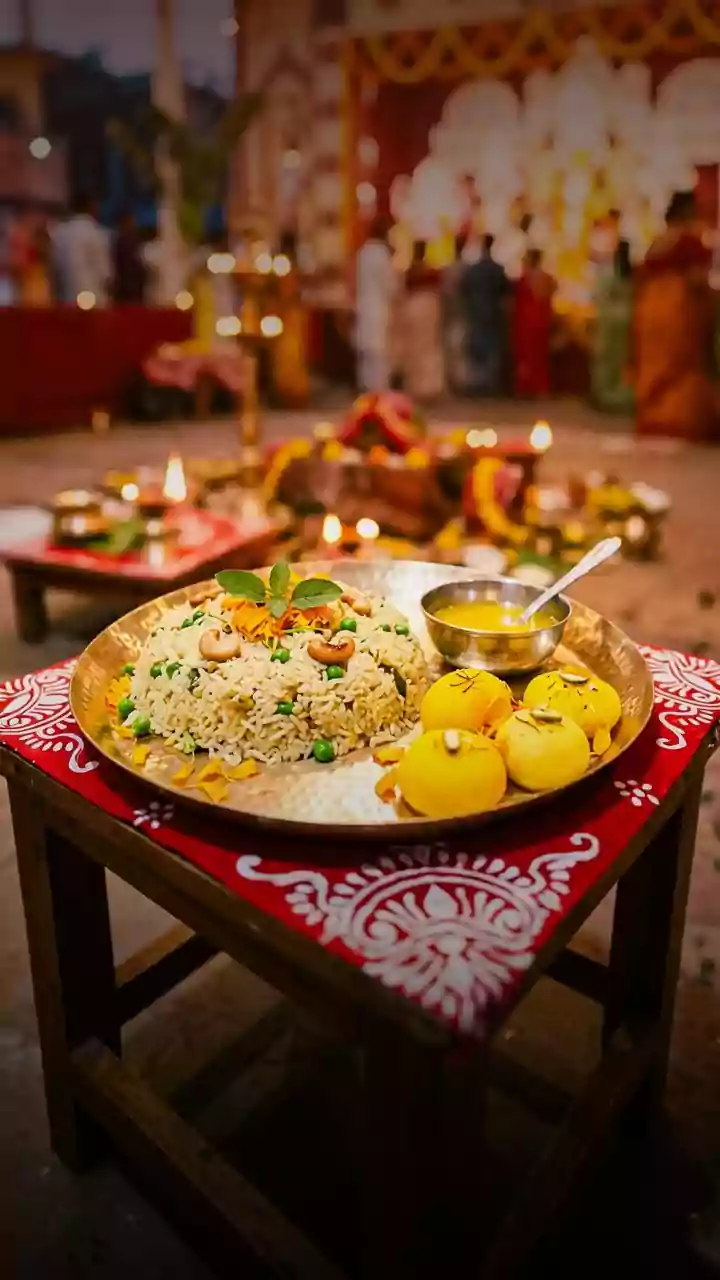
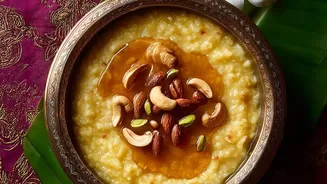
The 'sweet rice' mentioned by Sonia Gandhi is likely Modur Pulav. This festive dish is made with rice, ghee, milk, saffron, and a generous amount of dry fruits and nuts. Unlike other pulaos, it is distinctly sweet and aromatic, reserved for special occasions and ceremonies. Other vegetarian cornerstones of the cuisine include Dum Aloo, where baby potatoes are simmered in a spicy, yogurt-based gravy, and Chaman Kaliya, a mild paneer dish with a yellow, turmeric_based gravy. Dishes featuring the lotus stem (nadru), like Nadru Yakhni, are also delicacies unique to the region's cuisine.
Food as a Link to Ancestral Roots
For families like the Nehrus, who migrated from Kashmir centuries ago, food becomes more than just sustenance; it is a powerful carrier of cultural memory. The rituals of cooking and sharing specific dishes for festivals help preserve a connection to an ancestral homeland. Sonia Gandhi's remarks highlight how these traditions, passed down from Indira Gandhi, have kept the family's Kashmiri identity alive at the dinner table. It's a reminder that even for a family synonymous with the grand sweep of Indian politics, heritage is often expressed in the most personal and relatable of ways—through the flavours and aromas of a festive meal.