






Goa's Monsoon Goes on a Break
After a brief period of heavy showers in late June and early July, the monsoon over Goa has weakened significantly. Instead of the expected relentless rain, residents are experiencing more sunny days and rising temperatures. As of early July, the state's
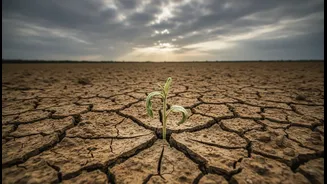
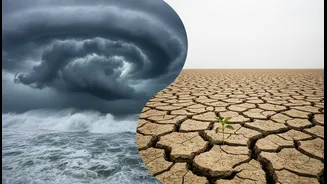
seasonal rainfall deficit stood at 26.7%, a significant shortfall from what is considered normal for this time of year. This follows a June where the deficit had reached as high as 70% at one point before late showers provided some relief. The India Meteorological Department (IMD) had forecast this lull, predicting that rainfall activity would weaken after July 10. This period of reduced rainfall during the peak season is known as a "break" in the monsoon.
What Exactly Is a 'Rain Deficit'?
Think of a rain deficit as the difference between the rain that was expected and the rain that actually fell. The IMD calculates this by comparing the actual rainfall received in an area against the Long Period Average (LPA), which is the benchmark average rainfall recorded over many decades. According to the IMD, a rainfall deficit between 20% and 59% below the LPA is classified as 'deficient'. When the deficit is 60% or more, it's termed 'large deficient'. So, when you hear that Goa has a 26.7% deficit, it means the state has received that much less rainfall than its historical average for the season up to that point.
The Science of a Weak Spell
A 'break' in the monsoon isn't random; it's caused by large-scale atmospheric changes. The primary cause is often the northward shift of the monsoon trough, an elongated low-pressure area that is a crucial driver of rainfall. When this trough moves towards the Himalayan foothills, rainfall decreases over the plains and peninsular India, including Goa. Other factors can contribute to a weak spell, such as the absence of low-pressure systems that act like 'delivery trucks' for rain, a weakening of the monsoon winds blowing from the sea, or global patterns like El Niño, which can suppress rainfall over India. The current weak phase in Goa is attributed to weak systems prevailing in the region.
The Ripple Effect on the Ground
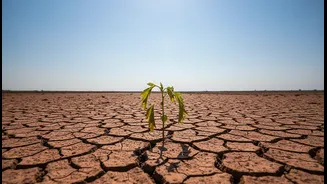
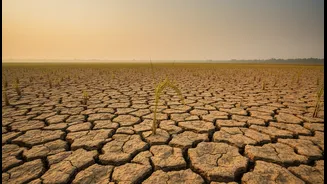
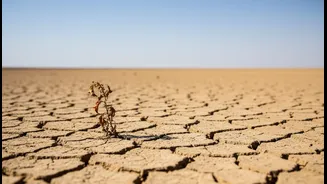
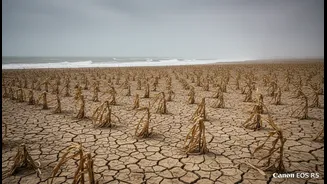
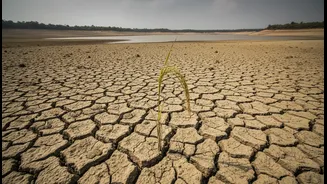
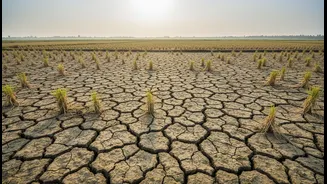
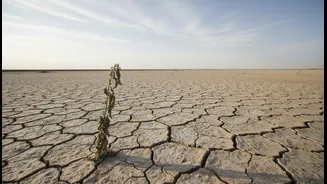
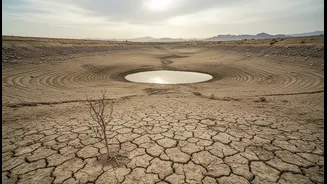
A significant rain deficit has real-world consequences that go far beyond just the weather report. For Goa, it raises concerns for agriculture, particularly for kharif crops like paddy, which are heavily dependent on monsoon rains for sowing and growth. A dry spell can lead to a loss of soil moisture, stressing young crops. A prolonged deficit also impacts the water levels in the state's major reservoirs, such as the Selaulim and Anjunem dams. While officials have stated there is no immediate water shortage, a continued dry spell could put pressure on drinking water supplies and hydropower generation later in the year. The unusual heat and humidity during a monsoon break also affect daily life and comfort.