



Know Your Target: The Orionids
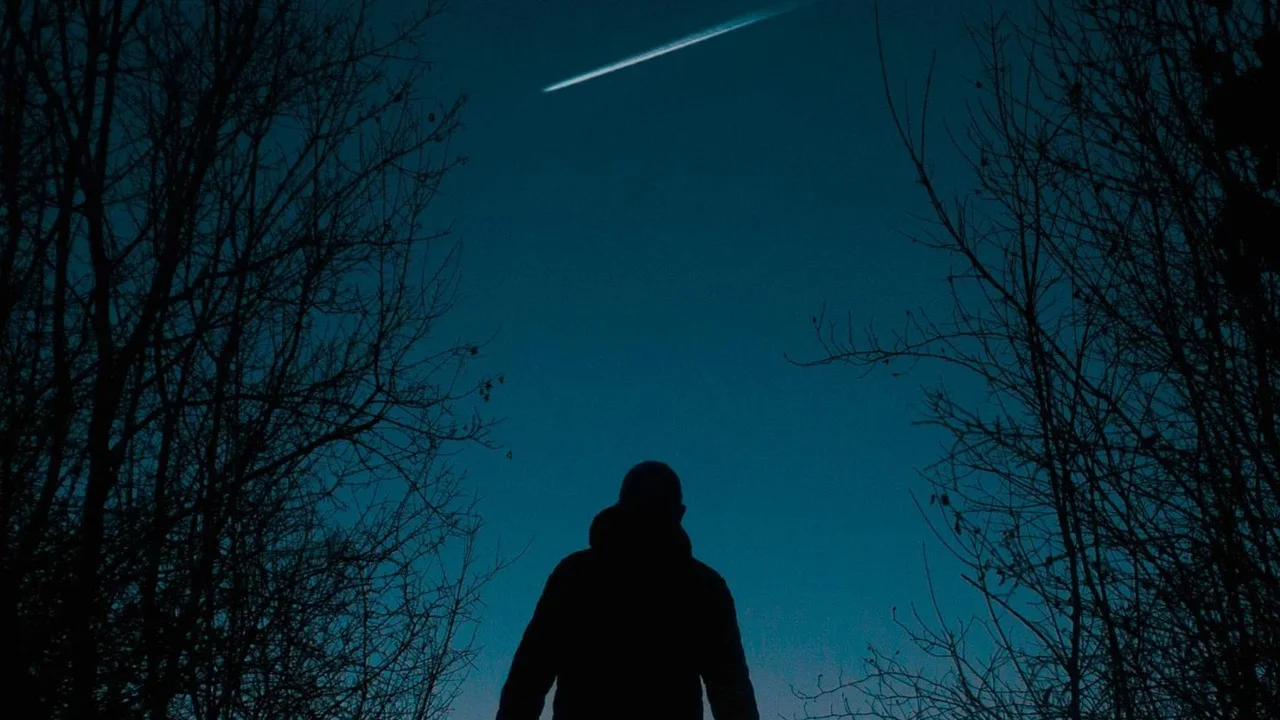
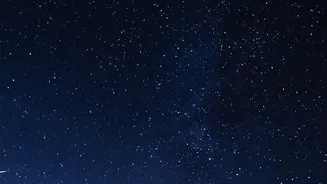
The Orionid meteor shower is an annual celestial event that occurs when Earth passes through the debris stream left by one of the most famous comets: 1P/Halley, or Halley's Comet. These tiny pieces of cometary dust burn up as they enter our atmosphere
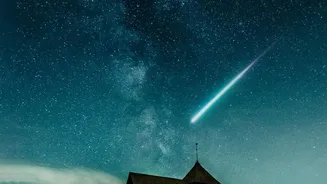
at incredible speeds—about 66 kilometres per second—creating fast, bright streaks of light across the night sky. They are known for their speed and for sometimes leaving persistent, glowing trails that can linger for a few seconds. The shower gets its name because the meteors appear to radiate from a point within the constellation of Orion, the Hunter.
Mark Your Calendar: Peak Dates and Times for 2026
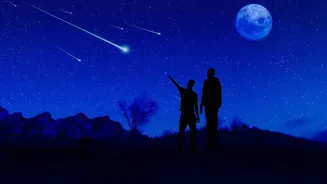
For 2026, the Orionid meteor shower will be active from early October to early November. The peak, when the most meteors are expected, will occur on the night of October 21-22. The best time to watch is in the pre-dawn hours. This year, viewing will be affected by a bright waxing gibbous Moon, which will light up the sky for much of the night. However, there is a window of opportunity: the Moon is expected to set around 3 a.m. local time on the peak mornings. This leaves a couple of hours of dark sky before dawn, which will be the prime time to look for meteors.
Location, Location, Location: Finding a City Spot
Watching a meteor shower from a city is a challenge due to light pollution, the bright glow that hangs over urban areas. But it's not impossible. Your primary goal is to get away from direct, glaring lights. Find a local park, a sports field, or even a quiet rooftop terrace that offers a wide, unobstructed view of the sky. Use buildings or trees to block the brightest sources of light, like street lamps or illuminated billboards. The higher up you can get, the better, as this can help you see over some of the low-level light dome. Even a short drive to the outskirts of the city can significantly increase the number of meteors you might see.
Pack for Comfort and Success
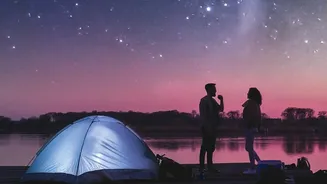
Meteor watching is a waiting game, so comfort is key. Since the best viewing is in the cool, early morning hours of late October, dress in warm layers. Bring a blanket or a reclining lawn chair to lie back on; this prevents neck strain and gives you the widest possible view of the sky. A thermos of a warm drink and some snacks can make the experience more pleasant. One thing you don't need is a telescope or binoculars. Their narrow fields of view are not suited for catching the random and fleeting streaks of meteors. Your naked eyes are the best tools for the job.
The Art of Seeing: Let Your Eyes Adjust
This is perhaps the most crucial and often overlooked step for urban skywatching. Your eyes need time to become fully sensitive to the dark. This process, called dark adaptation, can take 20 to 30 minutes. During this time, you must avoid all bright lights, and that includes your mobile phone screen. The white light from your phone will instantly ruin your night vision, forcing you to start the adjustment process all over again. If you need to use a light, a red-light torch is ideal as it has a minimal impact on your night vision.
Look Up: Where to Find the Meteors
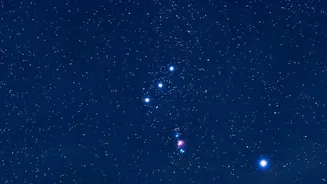
The radiant point for the Orionids is in the constellation Orion, which will be rising in the eastern sky after 10 p.m. and will be highest in the sky before dawn. You can easily spot Orion by looking for the three bright stars that form its belt. However, you shouldn't stare directly at the radiant. While the meteors originate from this point, they will appear as short streaks. For the best views of long, dramatic meteor trails, look about 45 degrees away from the radiant, gazing at the darkest patch of sky you can find. The meteors can appear anywhere and everywhere, so just lie back and take in as much of the sky as possible.
Manage Expectations and Enjoy the Show
Under perfect, dark-sky conditions, the Orionids can produce about 15-25 meteors per hour. In a city, with light pollution and a bright Moon to contend with, that number will be drastically lower. Do not go out expecting a constant downpour of shooting stars. Instead, set a realistic goal. Seeing a handful of bright, fast meteors over the course of an hour would be a great success from an urban location. The experience is not just about the count; it's about taking a moment to connect with the cosmos, witnessing ancient comet dust create a fleeting spectacle, and enjoying a quiet, peaceful moment under the night sky.