



What Exactly Is Sattu?
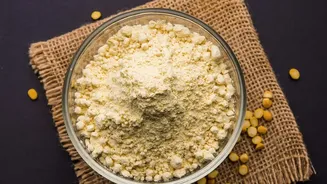
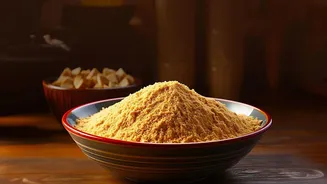
Sattu is a flour made from roasted Bengal gram (kala chana), a staple in Indian states like Bihar, Jharkhand, and Uttar Pradesh. For centuries, it has been the go-to source of affordable nutrition for farmers and labourers, valued for its long shelf life
and ease of preparation. Traditionally mixed with water and spices to create a cooling drink called 'sharbat', this humble ingredient is now finding a new identity. The roasting process gives sattu a unique nutty flavour and, importantly, means it doesn't need to be cooked before consumption, making it perfect for instant meals.
The Nutritional Powerhouse
The buzz around sattu is well-deserved, as it packs a significant nutritional punch. It's an excellent source of plant-based protein, with most chana-based sattu containing 20-25 grams of protein per 100 grams. This makes it a fantastic option for vegetarians, vegans, and anyone looking to boost their protein intake naturally. Beyond protein, sattu is rich in dietary fibre, which aids digestion, helps regulate bowel movements, and keeps you feeling full for longer. It is also loaded with essential minerals like iron, magnesium, and calcium, supporting everything from bone health to energy levels. Furthermore, with a low glycemic index, it provides sustained energy without causing sharp spikes in blood sugar.
From Traditional Drink to Modern Bowl
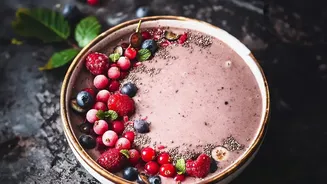
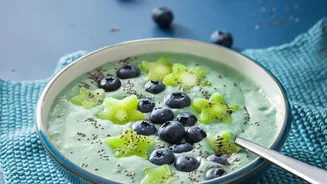
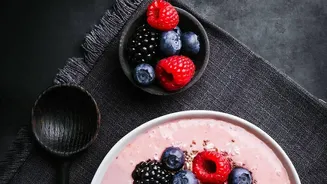
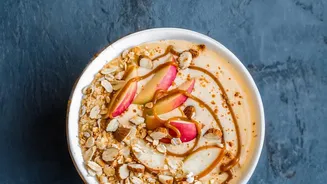
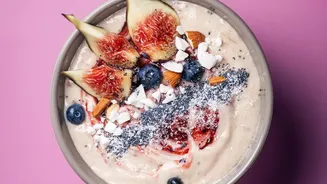
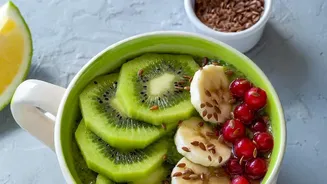
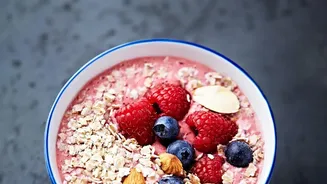
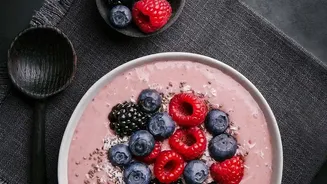
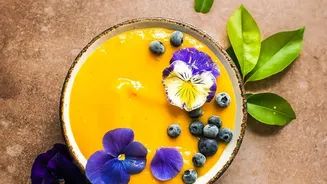
While the classic sattu sharbat remains a beloved summer cooler, the smoothie bowl offers a thicker, more meal-like consistency that aligns with contemporary wellness trends. A smoothie bowl takes the fundamental elements of a sattu drink and gives them a textural upgrade, turning a beverage into a satisfying meal. The creamy, thick texture is perfect for holding a variety of toppings like fresh fruit, nuts, seeds, and granola, adding more flavour, texture, and nutrients. This evolution allows sattu to move from being just a hydrating drink to becoming the base of a complete, balanced breakfast or lunch that's both visually appealing and incredibly nourishing.
Crafting Your Perfect Sattu Smoothie Bowl
Creating a sattu smoothie bowl is simple and highly customisable. The key is to achieve a thick, spoonable consistency.
Base Recipe:
In a blender, combine:
3-4 tablespoons of sattu flour
1 ripe banana (frozen for extra creaminess)
150-200 ml of liquid (milk, almond milk, oat milk, or even curd)
1-2 soft dates or a teaspoon of jaggery/honey for sweetness (optional)
Blend until the mixture is thick and smooth. If it's too thick, add a splash more liquid. If it's too thin, add another tablespoon of sattu or a few chunks of banana. Pour the thick smoothie into a bowl.
Topping Ideas:
Now, the fun part. Decorate your bowl with toppings that add crunch, freshness, and extra nutrients.
Fresh Fruit: Sliced bananas, berries, pomegranate seeds, mango chunks.
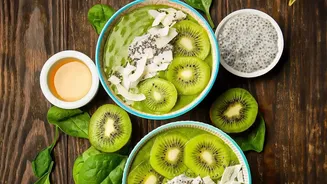
Nuts and Seeds: Toasted almonds, walnuts, pumpkin seeds, chia seeds, or flax seeds.
* Something Extra: A sprinkle of cinnamon, a dollop of peanut butter, or a handful of granola.
Tips for Sattu Success
To make the best sattu smoothie bowls, keep a few things in mind. First, ensure you are using sattu made from roasted gram (chana), as this has the highest protein content and best flavour profile for this purpose. When blending, add the liquid gradually to control the consistency and avoid a runny result. For a savoury twist, you can even create a bowl using sattu, yogurt (curd), black salt, roasted cumin powder, and a squeeze of lemon, topped with chopped onion and fresh coriander. This versatility is sattu's greatest strength, allowing it to fit into any flavour preference.