




Decoding Protein and Amino Acids
Protein is essential for repairing the microscopic muscle tears that happen during a workout, allowing them to rebuild stronger. Proteins themselves are made of building blocks called amino acids. There are 20 different amino acids, nine of which are considered
'essential' because our bodies cannot produce them; they must come from our diet. Animal-based proteins are 'complete,' meaning they contain all nine essential amino acids in sufficient amounts. Most plant-based proteins, however, are 'incomplete,' as they are often low in one or more of these essential amino acids. This is where the strategy of protein synergy comes into play.
What Is Protein Synergy?
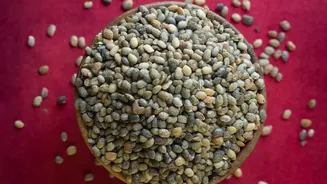
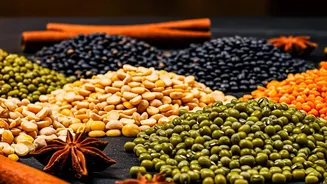
Protein synergy, also known as protein complementing, is the practice of combining different plant-based foods to create a complete amino acid profile. Think of it like assembling a team where each player has a different strength. For example, legumes like lentils and beans are typically high in the essential amino acid lysine but low in methionine. Grains such as rice and wheat are the opposite, with plenty of methionine but less lysine. By eating them together—like in the classic Indian meal of dal and rice—you provide your body with all the essential amino acids it needs for effective muscle synthesis.
The Myth of Same-Meal Combining
For years, a common myth suggested that vegetarians needed to eat complementary proteins at the exact same meal to reap the benefits. However, modern nutritional science has debunked this. Your body maintains a reserve pool of amino acids throughout the day. This means that as long as you consume a variety of plant-based protein sources over the course of a day, your body can pull the necessary amino acids from that pool to build complete proteins as needed. So, you don't need to stress about perfectly pairing every single snack and meal. The key is overall dietary variety.
Classic Pairings for Muscle Growth
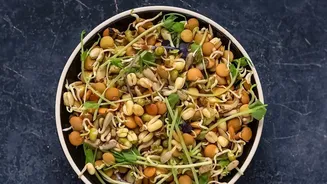
Focusing on a diverse diet makes protein synergy easy. Many traditional meals are already perfect examples. Here are some powerful combinations: Legumes and Grains: This is the cornerstone of plant-based protein pairing. Think rajma with brown rice, hummus with whole-wheat pita bread, or a simple bean curry with roti.. Nuts/Seeds and Grains: A bowl of oatmeal topped with almonds and chia seeds, or a peanut butter sandwich on whole-grain bread, offers a complete protein profile.. Legumes and Nuts/Seeds: A salad with chickpeas and a sprinkle of sunflower or pumpkin seeds works well. Even the tahini (made from sesame seeds) in hummus complements the amino acids in chickpeas.
Standalone Vegetarian Powerhouses
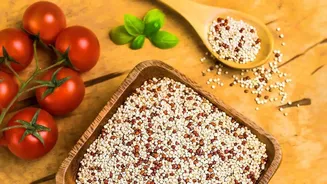
While combining foods is an effective strategy, some plant-based foods are naturally complete or near-complete proteins, containing all nine essential amino acids. Integrating these into your diet simplifies things even further. Soy products like tofu, tempeh, and edamame are excellent complete protein sources. Quinoa, often mistaken for a grain, is a seed that provides all the essential amino acids. Other potent sources include amaranth and buckwheat. For lacto-vegetarians, dairy products like Greek yoghurt and paneer are also fantastic sources of high-quality, complete protein.