





From Stress Zone to Comfort Zone
The traditional airport experience often feels designed by someone who has never met a child. Long queues, crowded spaces, and a distinct lack of engaging distractions can turn a pre-flight wait into a parental nightmare. However, a growing number of airports
worldwide are rewriting this script. They are beginning to view the terminal not just as a transit hub, but as the first chapter of a family's holiday. This evolution is about more than just adding a brightly coloured play structure; it's a holistic rethinking of the airport environment to reduce stress and increase comfort for its smallest passengers and their guardians. This shift acknowledges a simple truth: a calm child means a less stressed—and often higher-spending—parent. This people-first approach is transforming stark, utilitarian spaces into more welcoming and manageable environments for families on the move.
The Pillars of Thoughtful Design
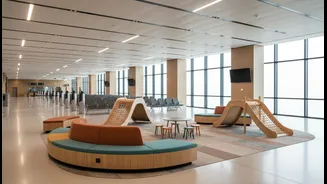
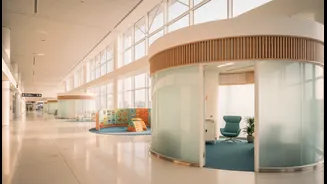
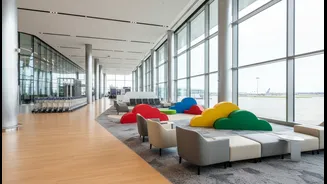
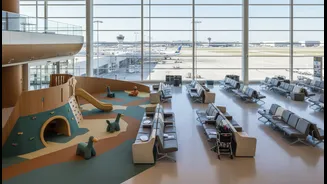
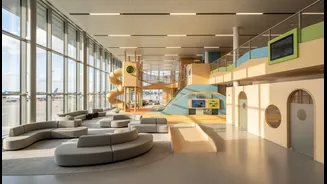
So, what does a truly family-friendly airport look like? It starts with the basics. Clean, accessible, and numerous family restrooms with changing tables are non-negotiable. Beyond that, dedicated nursing rooms or private lactation suites, like the Mamava pods found in many US airports, offer dignity and comfort for feeding mothers. But the real game-changer is in the details. Airports like Seoul Incheon and Istanbul now offer dedicated security lanes for families, eliminating the frantic juggle of strollers, bags, and toddlers in a crowded queue. Play areas are also getting a major upgrade. Gone are the days of a lonely rocking horse in a corner. Today's best airports feature interactive, themed play zones, climbing structures, and even sensory rooms designed for neurodivergent children. India is also embracing this trend, with Delhi's Family@DEL initiative and Hyderabad's well-equipped play areas setting a new standard.
It's Good for Business, Too
This wave of family-focused upgrades isn't just an act of goodwill; it's a savvy business strategy. Families represent a significant and growing demographic in travel. Studies have shown that when airports cater to the needs of families, the economic benefits are substantial. Families tend to arrive at the airport earlier and, as a result, have longer dwell times. When children are happily occupied in a play area, parents are more relaxed and more likely to spend money in adjacent retail stores and restaurants. An IATA survey found that 68% of parents are more likely to spend on retail and food if an airport provides adequate family facilities. By investing in these amenities, airports are not just improving the passenger experience; they are directly boosting their non-aeronautical revenue, creating a loyal customer base that will choose routes and layovers based on the quality of the airport experience.
How to Find Your Family-Friendly Oasis
For parents, a little research can make all the difference. Before booking your next trip, take a moment to check the websites of potential layover airports. Most will have a dedicated section outlining their family services, from play area locations to nursing room availability. Skytrax's annual World Airport Awards includes a category for the 'World's Most Family-Friendly Airport', which can be a valuable guide. Recent rankings have highlighted hubs like Seoul Incheon, Singapore Changi, and Istanbul for their exceptional family facilities. Don't underestimate smaller airports either; sometimes, less crowding is the best amenity of all. Knowing that your transit airport has a place for your kids to burn off energy or a quiet space for you to feed an infant can transform your travel mindset from one of dread to one of calm anticipation.