








Superman (1978): Believing a Man Could Fly
In the 1970s, live-action superheroes were largely seen as campy, low-budget fare, best exemplified by the 1960s 'Batman' TV series. Richard Donner's 'Superman: The Movie' shattered that perception. With a soaring score by John Williams and then-revolutionary
special effects, the film presented its hero with absolute sincerity. Christopher Reeve’s portrayal of both the god-like hero and the gentle Clark Kent gave the character a compelling duality. It was the first time a studio invested a major budget and serious artistic ambition into a superhero story, treating the source material with respect and mythic grandeur. The film's tagline, "You'll believe a man can fly," wasn't just about visual effects; it was a promise that audiences could emotionally invest in these characters. It proved that superhero movies could be epic, inspiring, and enormously profitable, setting the template for the modern origin story.
Batman (1889): Embracing the Darkness
After 'Superman' and its sequels, the genre faded. Tim Burton’s 'Batman' brought it back with a vengeance. It traded Superman's bright optimism for a dark, gothic noir aesthetic that was unlike anything mainstream audiences had seen. Michael Keaton’s intense, brooding Bruce Wayne was a stark contrast to previous portrayals, while Jack Nicholson's maniacal Joker created an iconic villain. But its impact went beyond the screen. 'Batman' was a cultural event, ushering in an era of massive marketing and merchandising campaigns that became known as "Batmania". The Bat-symbol was everywhere, proving that a superhero film could be more than a movie; it could be a global brand. It established that darker, more psychologically complex takes on heroes could resonate deeply and that the aesthetics of the film were as important as the action.
X-Men (2000): Making Ensembles and Ideas Mainstream
For years, the genre was dominated by DC’s two biggest icons. Bryan Singer's 'X-Men' broke that mold by successfully bringing a complex Marvel team to the big screen. The film skillfully juggled a large ensemble cast, giving each character a distinct personality and arc. More importantly, it took the core themes of the comics—prejudice, civil rights, and finding a place in a world that fears you—and treated them with seriousness. It proved that audiences were ready for superhero stories that weren't just about one singular hero and that they could engage with more complex, socially relevant ideas. 'X-Men' demonstrated that Marvel's B-list characters had A-list potential, opening the floodgates for the wave of Marvel adaptations that would follow and proving the viability of team-based superhero films.
Iron Man (2008): Building a Cinematic Universe
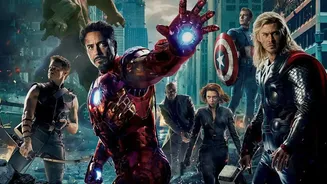
While Christopher Nolan's 'The Dark Knight' was a critical and commercial juggernaut in 2008, it was the year's other big superhero movie that fundamentally changed the business of blockbuster filmmaking. 'Iron Man' was a massive gamble for the newly formed Marvel Studios. It took a B-list character and, through the sheer charisma of Robert Downey Jr. and the confident direction of Jon Favreau, turned him into a global icon. The film's witty tone and focus on a flawed, funny, and brilliant hero set it apart. But its true genius was the post-credits scene, where Nick Fury appears to talk about the "Avengers Initiative". It was a simple promise that this movie was part of a bigger story, launching the Marvel Cinematic Universe (MCU). This idea of an interconnected series of films was a revolutionary concept that has since become the dominant model in Hollywood, transforming how franchises are built.