






Secure Your Visa Early
The first step for any international trip is documentation. As of 2026, Indian passport holders must secure a visa before travelling to Japan, as there is no visa-on-arrival facility. You can apply through authorised VFS centres in India. Required documents
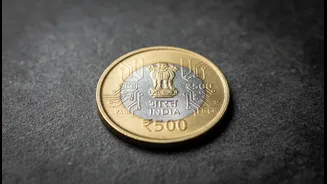
typically include a valid passport with at least six months' validity and two blank pages, recent photographs, bank statements for the last six months, and recent Income Tax Return acknowledgements. While Japan introduced a global visa fee hike in July 2026, the fee for Indian citizens remains a highly affordable ₹500 for both single and multiple-entry visas, excluding service charges. It is advisable to apply at least four to six weeks before your intended travel date.
Budgeting Your Trip from India
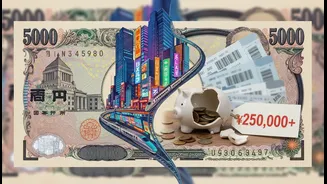
Japan can be an affordable destination with smart planning. A 7 to 10-day trip from India can range from ₹1,20,000 to over ₹2,50,000 per person. Flights are the biggest expense, usually between ₹45,000 and ₹80,000 for a round trip. Booking two to three months in advance can secure better prices. Accommodation options range from budget-friendly capsule hotels and hostels (around ₹1,800-₹4,200 per night) to more comfortable mid-range hotels. A comfortable mid-range budget, excluding major shopping sprees, would be around ₹1,70,000 per person for a 10-day trip.
Choose the Best Time to Visit
Japan offers unique experiences year-round, but spring (March-April) and autumn (October-November) are most popular. Spring is famous for the iconic cherry blossoms (sakura). For 2026, the blooms are expected in major cities like Tokyo and Kyoto from late March to early April. Be warned, this is peak season, so book flights and hotels well in advance. For a less crowded experience with beautiful scenery, consider visiting in autumn to witness the vibrant fall foliage.
Navigating Japan: The JR Pass
Japan's public transport is world-class. If you plan to travel between cities, like from Tokyo to Kyoto, the Japan Rail (JR) Pass can offer great value. This pass, available only to foreign tourists, provides unlimited travel on the extensive JR network, including most Shinkansen (bullet trains). You can purchase a 7, 14, or 21-day pass online before you leave India. Once in Japan, you exchange your voucher for the actual pass at a JR office. However, if your travel is mostly within one city, consider regional passes or individual tickets, which might be more cost-effective.
A Food Guide for Indian Palates
Japanese cuisine is a delight, but finding vegetarian food can sometimes be a challenge as many dishes contain hidden fish stock (dashi) or meat. However, things are improving, especially in big cities. Look for Shojin Ryori, a traditional Buddhist vegan cuisine. Convenience stores (konbini) are surprisingly good for quick vegetarian snacks like onigiri (rice balls) with pickled plum (umeboshi) or seaweed (kombu). Chains like CoCo Ichibanya Curry House often have dedicated vegetarian menus. You can also find vegetable tempura, cold soba noodles (zaru soba), and edamame widely available.
Mastering Cultural Etiquette
Japanese culture places a high value on respect and politeness. A few key tips will go a long way. Always remove your shoes when entering a home, temple, or traditional inn (ryokan). You'll often be provided with slippers. Bowing is a common form of greeting, and a simple nod of the head is appreciated. Tipping is not customary and can be considered rude. On public transport, it is considered polite to keep conversations quiet and avoid talking on the phone. Finally, be prepared to carry your rubbish with you, as public bins can be scarce.
Packing and Connectivity
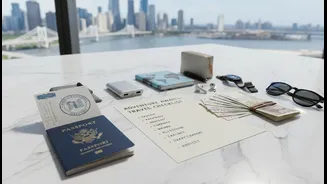
Pack comfortable shoes, as you will be doing a lot of walking. A universal travel adapter is essential for charging your devices. For staying connected, you have two main options: renting a pocket Wi-Fi device or getting an eSIM/SIM card. Pocket Wi-Fi is great if you are travelling in a group and need to connect multiple devices. An eSIM is a convenient digital option you can set up before you even land. Many hotels and public spaces offer free Wi-Fi, but having your own connection is invaluable for navigating with maps and staying in touch.