




Saturn Puts on a Show
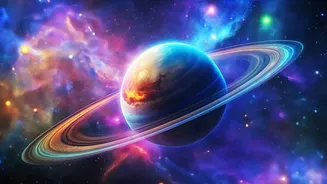
October is a banner month for planets, and Saturn is the star of the evening. The ringed planet reached opposition on October 4, meaning it is at its closest and brightest for the year and is visible all night long. It will appear as a bright, steady,
yellowish point of light. While you'll need a telescope to see its famous rings, Saturn is easily bright enough to be spotted with the naked eye from a city apartment, rising in the east around sunset. Look for it throughout the month as it graces our evening sky.
An Evening Meteor Shower: The Draconids
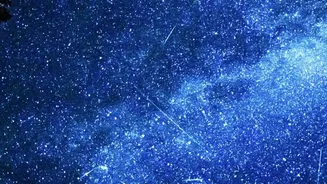
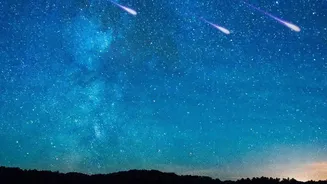
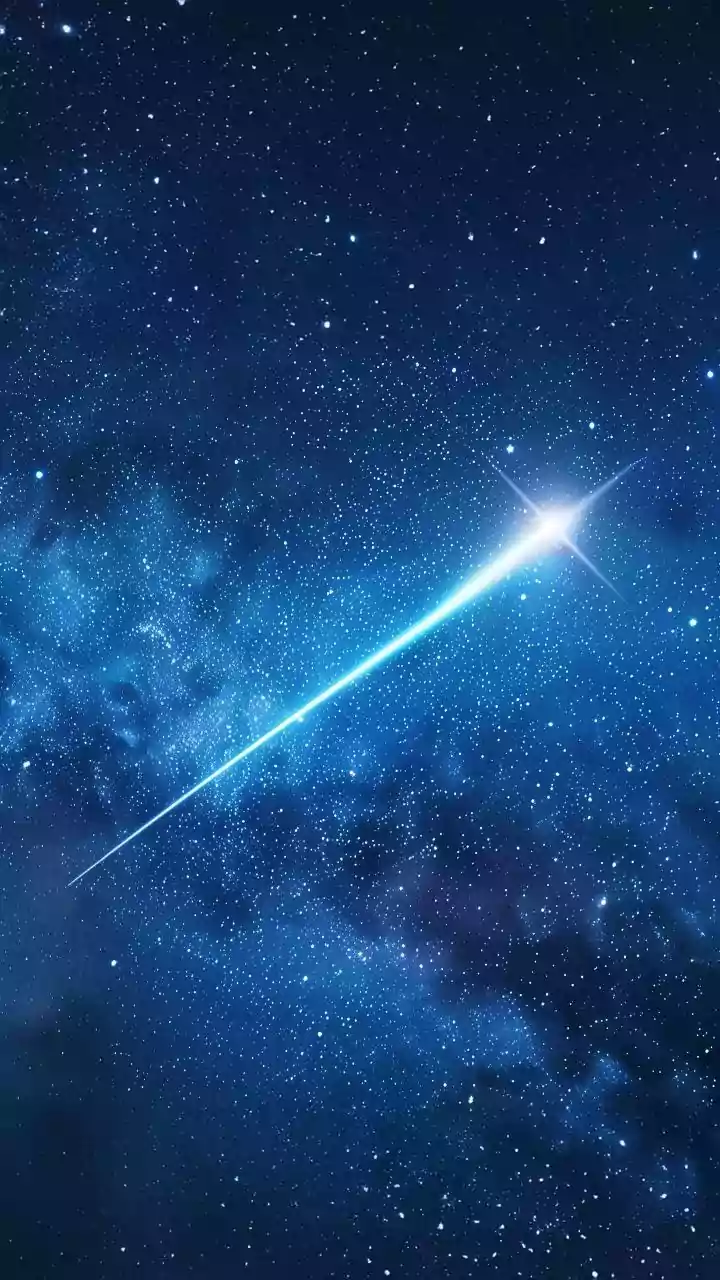
Meteor showers often require late nights, but the Draconid meteor shower is an exception, making it perfect for apartment dwellers. It is best viewed in the evening, just after dark, rather than in the pre-dawn hours. Peaking on the night of October 8-9, 2026, this shower benefits from a nearly moonless sky, which will help make its meteors more visible. The Draconids are typically a modest shower, producing about 5 to 10 meteors per hour, but they have been known to surprise with occasional outbursts. The shower’s radiant point is high in the northern sky in the constellation Draco, so you won't need to stay up all night to catch a potential shooting star.
Morning Planets and a Lunar Encounter
If you are an early riser, the pre-dawn sky offers its own rewards. Look to the east before sunrise to spot brilliant Jupiter and reddish Mars. On the morning of October 6, the waning crescent moon will pass incredibly close to Jupiter, creating a stunning celestial pairing. In some parts of North America, the Moon will actually pass in front of and hide Jupiter for a short time, an event known as an occultation. Mars also gets a visit from the Moon on October 5 and crosses the famous Beehive star cluster around October 11-12, offering a beautiful sight for those with binoculars.
The Orionids: Debris from Halley's Comet
October's second meteor shower, the Orionids, peaks on the night of October 21-22. This shower is known for its fast and bright meteors, which are pieces of debris left behind by the famous Halley's Comet. The shower can produce up to 20 meteors per hour in dark skies. This year, a bright waxing gibbous moon will interfere with viewing during the evening. However, the Moon will set a few hours before dawn, leaving a dark window of opportunity to watch for these shooting stars in the early morning hours.
The Full Hunter's Moon
October’s full moon, known as the Hunter's Moon, will rise on the evening of October 25 and reach peak illumination shortly after midnight on October 26. Traditionally, this moon provided light for hunters preparing for winter after the harvest fields were clear. For apartment stargazers, the best time to watch is at moonrise, when it appears large and vibrantly orange or red on the horizon. Find a window or balcony with a clear view of the eastern horizon around sunset to catch this beautiful sight, no equipment needed.
Tips for Apartment Stargazing
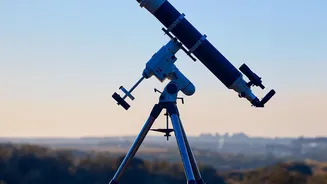
City lights are the biggest challenge for urban astronomers. To improve your view, find the darkest spot available, whether it's a balcony shielded from streetlights, a rooftop, or a window in a dark room. Turn off all the lights inside your apartment to reduce reflections and help your eyes adapt to the darkness, which can take about 20 minutes. You don't need a telescope; a good pair of binoculars can dramatically enhance your view of the Moon, planets, and star clusters. Finally, use stargazing apps like Sky Map or Star Walk on your smartphone. These apps use your phone's location to create a real-time map of the sky, helping you identify planets, stars, and constellations with ease.