

Master the Art of Drainage
The single biggest challenge for a monsoon balcony garden is not a lack of sun, but an excess of water. When roots sit in soggy soil, they can't access oxygen, leading to root rot. Your first and most important task is to ensure flawless drainage. Every
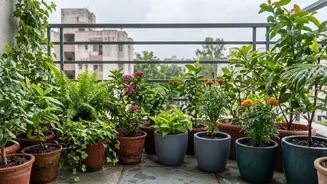
pot must have drainage holes; check them regularly to ensure they aren't clogged with compacted soil. Elevate your pots using bricks or pot stands to allow water to escape freely and prevent them from sitting in puddles. It's also wise to remove any saucers or trays from underneath your pots during peak monsoon, as they can fill with water and drown the roots, besides becoming breeding grounds for mosquitoes.
Choose the Right Potting Mix
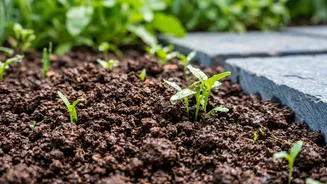
Standard garden soil is often too heavy and retains too much water for container gardening, a problem that is magnified during the monsoon. Opt for a light, well-aerated potting mix. You can create your own by combining garden soil, compost, and a material that improves drainage, like coco peat, perlite, or coarse sand. A good ratio to start with is equal parts of each. This type of mix provides nutrients and holds just enough moisture while allowing the excess rain to drain away quickly, keeping the roots healthy and preventing waterlogging.
Select Your Monsoon Warriors
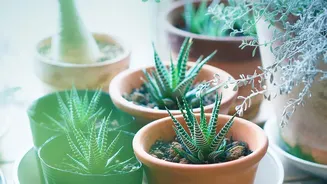
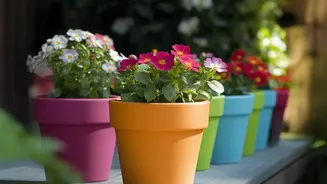
Not all plants enjoy constant rain. Choose species that thrive in high humidity and moist conditions. For vibrant flowers, consider monsoon favourites like hibiscus, marigold, balsam, and periwinkle (sadabahar). Jasmine (mogra) and rain lilies are also excellent choices, with the latter often blooming right after a shower. If you're looking to grow edibles, herbs like mint and lemongrass do exceptionally well. Vegetables such as okra, cucumbers, and certain gourds can also be cultivated. Conversely, plants like succulents and cacti cannot tolerate the heavy rain and should be moved to a sheltered spot indoors or under a cover.
Rethink Your Watering Schedule
It may seem counterintuitive, but you still need to monitor your plants' water needs during the monsoon. The rain might not reach plants placed in covered corners of the balcony. However, for those exposed to the elements, overwatering becomes the primary risk. Abandon a fixed watering schedule. Instead, check the soil with your finger; water only when the top inch or two feels dry. On days with continuous rain, your plants may not need any additional water for a week or more.
Provide Shelter and Support
Heavy downpours and strong winds can physically damage plants, breaking stems and shredding leaves. Provide support for tall or slender plants like okra and beans by staking them with bamboo sticks before the wind gets to them. Grouping pots together can offer some mutual protection and prevent them from tipping over. For very delicate or valuable plants, you can move them to a more sheltered part of the balcony during extreme weather or use temporary rain shields like a transparent sheet.
Stay Vigilant About Pests and Disease
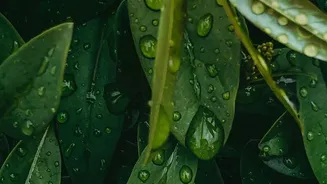
The high humidity of the monsoon creates a perfect environment for fungal diseases like powdery mildew and leaf spot, as well as pests like slugs and snails. Good air circulation is your best defence. Avoid crowding your plants; space them out to allow leaves to dry faster after a rain. Make it a habit to regularly remove any yellowing or diseased leaves, and clear fallen foliage from the pots to prevent fungal growth. A preventive spray of neem oil solution every couple of weeks can also help keep many common pests and fungal issues at bay.