





A Fragrant Legacy
Ittar, also known as attar, is a traditional Indian perfume made from the pure, steam-distilled essence of flowers, herbs, and spices, captured in a base oil, historically sandalwood. Its history is ancient, with roots stretching back thousands of years
and gaining prominence during the Mughal era, when emperors and queens were famed for their love of exquisite fragrances. The city of Kannauj in Uttar Pradesh, often called the 'perfume capital of India', has been the heart of ittar production for over 400 years, preserving the artisanal 'degh-bhapka' (hydro-distillation) method. This traditional process is entirely natural, alcohol-free, and creates a concentrated scent that evolves beautifully on the skin, making it a luxurious and intimate form of perfume.
From Ornate Vials to Minimalist Wands
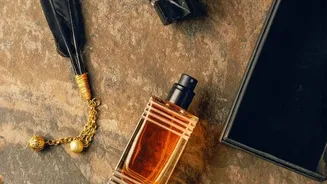
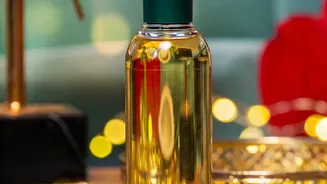
For years, ittar was often perceived by younger generations as being too strong, heavy, or old-fashioned, associated with ornate glass vials and overpowering scents. However, a renaissance is underway. New-age Indian brands are on a mission to reintroduce this art form by tweaking it for modern sensibilities. This re-imagining involves several key changes. The formulations are often lighter and more palatable to contemporary noses, balancing traditional notes with fresher compositions. The packaging has been completely overhauled, swapping traditional vials for sleek, minimalist rollerballs and even modern spray bottles that mimic the convenience of Western perfumes. Brands like Kastoor, Boond Fragrances, and Naso Profumi are leading this charge, focusing on gender-fluid scents, clean ingredients, and telling stories that connect heritage with a modern, global Indian identity.
Nostalgia in a Bottle for the Festive Season
The resurgence of ittar is especially visible during India's festive season. As celebrations like Navratri and Diwali approach, there is a collective yearning for authenticity and a deeper connection to tradition. Modern life can feel disconnected from these roots, and a scent can be a powerful bridge to memory and emotion. These new-age ittars offer 'nostalgia in a bottle', allowing consumers to reconnect with their heritage in a way that feels personal and contemporary, not dated. The broader festive trend for 2026 is moving away from overt excess towards 'meaningful luxury'. Consumers are choosing products with a story, craftsmanship, and a sense of purpose. A handcrafted ittar that supports local artisans in Kannauj fits perfectly into this new definition of festive indulgence.
More Than a Perfume, A Cultural Revival
This trend is about more than just smelling good; it represents a larger cultural shift. A new generation of Indian consumers is embracing 'Made in India' with pride, seeking out products that are sustainable, ethical, and tell authentic local stories. The modern ittar movement is a direct reflection of this, championing local ingredients like jasmine from Tamil Nadu and sandalwood from Mysore, and celebrating the artisans who have preserved this craft for centuries. By choosing a modern ittar, consumers are not just buying a fragrance; they are participating in the revival of a national heritage, ensuring its survival against the tide of mass-produced international perfumes. It's a conscious choice that aligns with a desire for products that are clean, natural, and suited to the Indian climate and skin.