




What Is a Planetary Gathering?
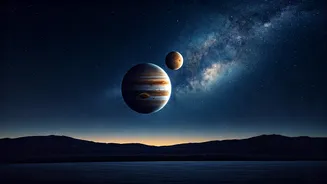
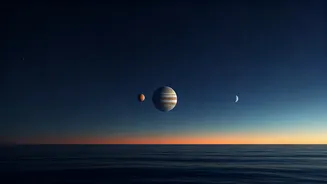
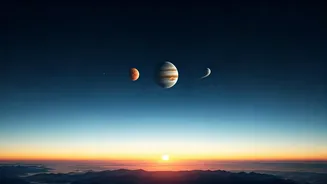
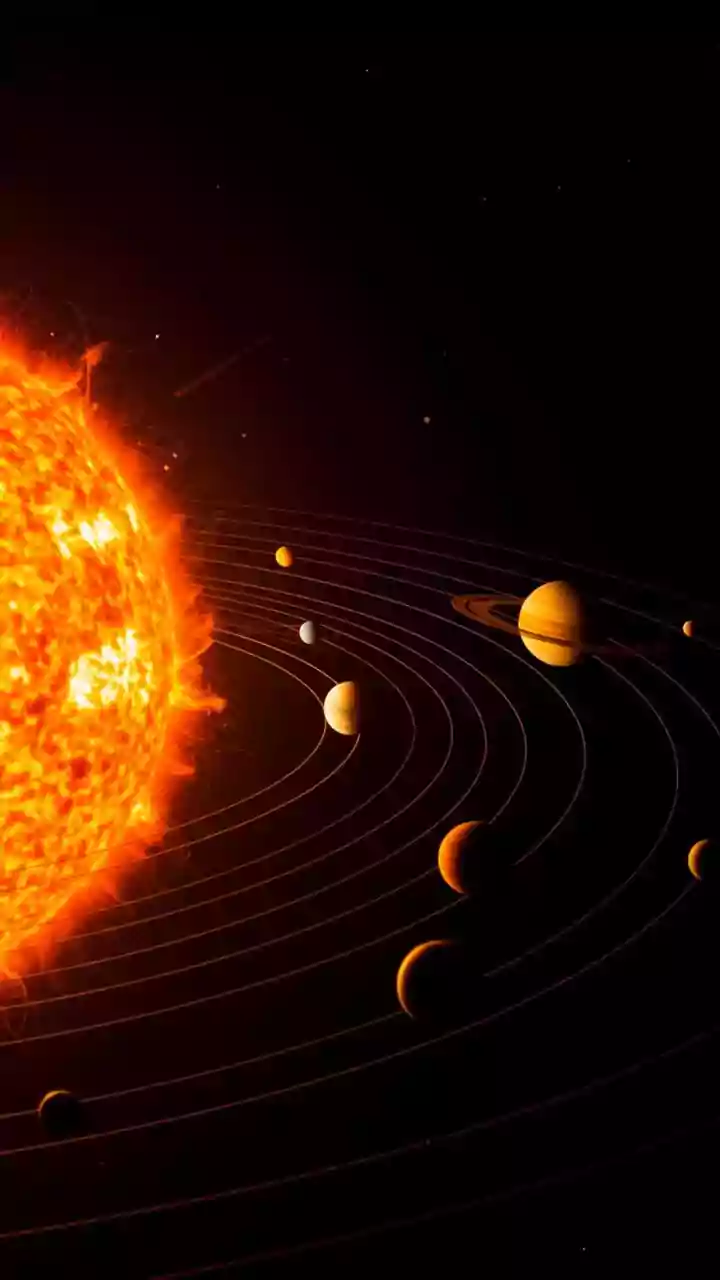
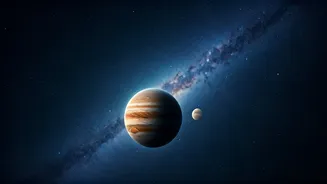
While they might look close together from our vantage point on Earth, the planets in tonight’s gathering are, of course, millions of kilometres apart in space. What we are witnessing is a line-of-sight phenomenon called a conjunction or an alignment.
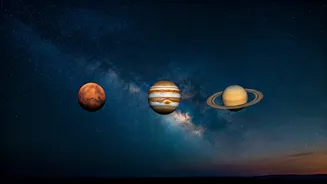
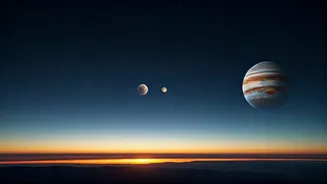
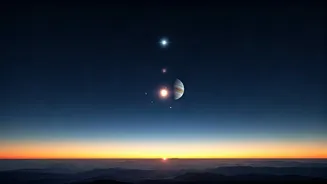
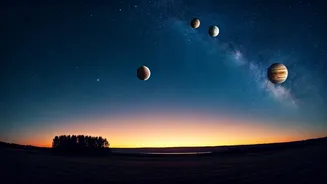
It occurs when the orbits of several planets bring them into the same small patch of sky. These events are often called 'rare' because while two-planet conjunctions are common, getting three, four, or even five planets to cluster in a visible group is a much less frequent occurrence. Tonight's show involves a delightful lineup, offering a unique chance to 'planet-hop' with your own eyes in a single evening.
The Perfect Time to Look
Timing is everything for this event. The planets will be visible in the western sky shortly after the sun has set. The best viewing window begins about 30 to 45 minutes after sunset, during the period of twilight when the sky is dark enough for the planets to shine but before they follow the sun below the horizon. This celestial parade is fleeting; you will have a window of roughly 60 to 90 minutes to enjoy the view. After that, the planets will begin to set one by one. So, don’t delay. Plan to be at your viewing spot as dusk begins to fall.
Finding Your Spot
The single most important factor for a successful viewing is an unobstructed view of the western horizon. The planets will be relatively low in the sky, so buildings, trees, and hills can easily block your line of sight. If you live in a city, try to find a rooftop, a park, or a high floor of a building with a clear westward view. For the best experience, try to get away from the bright glare of city lights. Even moving to a local park or the outskirts of town can dramatically improve what you can see, allowing the fainter planets to pop out against the deepening twilight.
What You Need (Hint: Not Much)
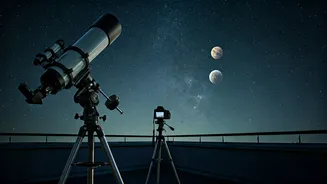
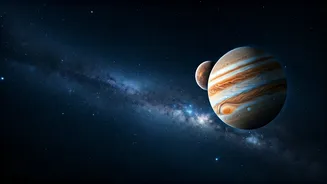
The beauty of this planetary gathering is its accessibility. You don’t need any expensive equipment to enjoy it. All the planets involved will be bright enough to be seen with the naked eye. Just find a comfortable spot, let your eyes adjust to the darkness for about 15 minutes, and look west. If you do have a pair of binoculars, bring them along! While not essential, they will enhance the view significantly, making the planets appear as small, distinct discs rather than points of light. A small telescope would even reveal more detail, like the rings of Saturn or the moons of Jupiter, but for simply appreciating the alignment, your eyes are all you need.
How to Identify the Planets
So, how do you know you’re looking at a planet and not a star? Here’s a simple trick: planets tend to shine with a steady, unwavering light, while stars twinkle. Stars are so far away that their light is a tiny point, easily disturbed by Earth’s atmosphere, causing the twinkling effect. Planets are much closer, appearing as tiny discs, and their light is more stable. As you scan the western sky, look for the 'stars' that aren’t twinkling. The brightest one will likely be Jupiter or Venus (if it's part of the alignment). Mars often gives off a faint, recognisable reddish-orange glow. Using a simple stargazing app on your phone can also be a great help; just point it at the sky, and it will label the celestial objects for you.