



The Irresistible Pull of Nostalgia
The single most powerful force driving audiences back to cinemas for older films is nostalgia. These movies are not just stories; they are time capsules, transporting viewers back to their youth, first dates, or family movie nights. In an increasingly
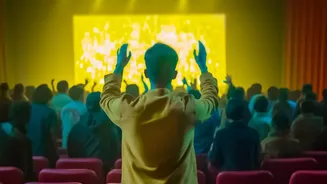
complex world, the “bittersweet memory” of a simpler time holds immense appeal. This trend is part of a larger 'nostalgia economy', where brands and media tap into a shared affection for the past to create powerful emotional connections. For many, watching a film like 'Veer-Zaara' or 'Jab We Met' on the big screen again is less about discovering a new plot and more about reliving a treasured feeling, a collective memory shared with a theatre full of fellow fans. This desire is so strong that audiences are willing to pay for the theatrical experience even when the films are readily available on streaming platforms.
When Story Was King
Beyond pure nostalgia, many viewers are drawn to the strong, character-driven narratives that were the hallmark of earlier eras. Industry experts and audiences alike point to a perceived creative fatigue in contemporary filmmaking, which often prioritizes spectacle over substance. Older films, from 'Karan Arjun' to 'Laila Majnu', are celebrated for their compelling scripts, soulful performances, and emotional depth that resonate across generations. The successful re-release of films that were not huge hits in their initial run, like 'Tumbbad' or 'Sanam Teri Kasam', proves this point. These movies found a dedicated following over the years, and their return to cinemas gives them a second life, often earning more than their original box office run and vindicating their artistic merit.
The Enduring Power of Music
It’s impossible to discuss classic Indian cinema without celebrating its music. The soundtracks of films like 'Rockstar' or 'Kal Ho Naa Ho' are cultural touchstones in their own right. For many fans, the opportunity to experience these iconic songs with the superior sound of a movie theatre is a major draw. The music is deeply woven into the emotional fabric of the films, and hearing a beloved song in a communal setting, with hundreds singing along, elevates the experience far beyond listening on headphones. This auditory nostalgia is a key ingredient in the success of re-releases, turning a simple screening into a celebratory event.
A Shared Experience for a New Generation
The re-release trend is not just for those who saw the films the first time around. It has become a bridge between generations. Parents are introducing their children to the movies they grew up loving, while young audiences, who may have only heard about these classics, get to experience them on the big screen as they were intended. This communal viewing fosters a unique social bond, strengthening a shared cultural identity. It’s a chance to understand why films like 'Sholay' or 'Hum Aapke Hain Koun' became legendary, moving them from historical artifacts to living, breathing cinematic events for a new wave of fans. Even films that developed a cult following on social media through reels and memes, like 'Laila Majnu', are finding new audiences eager to see the full story in a theatrical setting.
A Savvy Business Decision
For theatre owners and distributors, re-releasing old hits is a smart and relatively low-risk strategy. At a time when new films can be unpredictable at the box office, classics come with a built-in fan base. It helps fill seats during periods with fewer new releases and keeps cinemas buzzing. Ticket prices for these screenings are often more affordable, making them an accessible option for a casual outing. The success is undeniable, with numerous re-released films like 'Ghilli', 'Sanam Teri Kasam' and 'Tumbbad' earning crores and sometimes even surpassing their original collections. It's a win-win: theatres get a steady revenue stream, and audiences get to relive the magic.