




Why Humidity Is a Kitchen Menace
The high moisture content in the air during the monsoon is the primary enemy of stored food. Humidity levels across India can jump to between 80-90%, creating ideal conditions for food to spoil. This dampness causes biscuits and chips to go soggy, spices
to clump together, and accelerates the growth of fungus and bacteria on almost everything. Grains like rice and lentils absorb moisture, which can lead to mould and attract pests like weevils, while flours can go rancid in a fraction of their usual shelf life. Understanding that moisture is the root cause is the first step in protecting your pantry.
Master Your Dry Storage
The single most effective action you can take is to upgrade your storage containers. Do not leave grains, flours, pulses, sugar, or salt in their original paper or thin plastic bags, as these offer no protection from humidity. Instead, transfer them immediately into airtight containers made of glass or high-quality, BPA-free plastic. These create a physical barrier against moisture and pests. For extra protection in your pantry, you can place food-safe silica gel packets or small activated charcoal sachets on shelves to absorb ambient humidity. It's also wise to buy smaller quantities of flour and spices during this season, as frequent opening of large containers exposes the contents to damp air.
Protect Your Spices and Condiments
Indian cooking relies on the potent aroma and flavour of spices, but humidity is their kryptonite. Heat, light, and moisture are the three factors that degrade the essential oils in spices. Store your spice box away from the stove and kitchen sink, as the steam and heat from cooking quickly introduce moisture. A cool, dark cabinet is the best place for them. Never shake a spice jar directly over a hot, steaming pot; instead, use a clean, dry spoon to take out what you need. For whole spices, consider a light dry roast before storing them to remove any latent moisture. Adding a few bay leaves to containers can also help absorb excess moisture and deter pests.
Keep Vegetables and Fruits Fresh
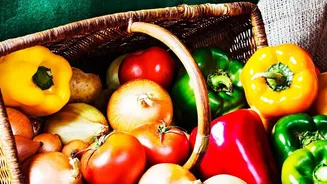
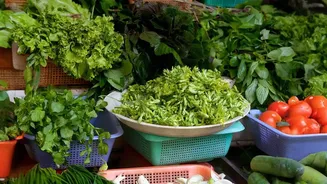
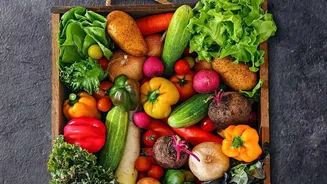
The monsoon is particularly harsh on fresh produce. Leafy greens are highly susceptible to rot. Avoid washing vegetables before storing them, as leftover moisture speeds up spoilage. If they are wet from the market, pat them dry thoroughly. Wrap leafy greens like spinach and coriander in paper towels before placing them in the refrigerator; the paper absorbs excess moisture. Root vegetables like onions, potatoes, and garlic should not be refrigerated but stored in a cool, dark, and well-ventilated place away from each other. Perforated bags or mesh baskets work well. For other vegetables in the fridge, using bags with small holes can help maintain freshness by allowing air to circulate.
Handle Cooked Food with Care
Leftovers and cooked food are at high risk during the rainy season. It is crucial to store any perishable items in the refrigerator at or below 4°C to slow down bacterial growth. Before storing, allow hot food to cool down to room temperature to prevent steam from getting trapped inside the container, which creates a soggy texture and a haven for microbes. Reheating food thoroughly before consumption is always a good practice, especially during the monsoon, as it helps kill any bacteria and removes excess moisture. A clean refrigerator is also essential; wipe down interiors frequently to prevent mould growth from condensation.