





Europe's Asteroid Investigator Arrives
Planetary defence gets a major boost in 2026 with the arrival of the European Space Agency's (ESA) Hera mission at the Didymos binary asteroid system. Launched in October 2024, Hera is the crucial second act of a global experiment to see if we can protect
Earth from a potential asteroid impact. In 2022, NASA's DART spacecraft successfully slammed into Dimorphos, the smaller of the two asteroids, altering its orbit. Now, Hera's job is to conduct a detailed post-impact survey. When it arrives in November 2026, it will map the crater, measure the asteroid's mass, and study its composition. This mission isn't just about one asteroid; it's about turning a theoretical planetary defence technique into a well-understood, repeatable strategy. The data Hera collects will be vital for validating our impact models and ensuring humanity is prepared if a real threat ever comes our way.
China's Ambitious Lunar South Pole Mission
The race to the lunar south pole is heating up, and China is making a major move in August 2026 with its Chang'e 7 mission. This robotic expedition is targeting the resource-rich south pole, a region believed to hold vast quantities of water ice in permanently shadowed craters. The mission is a complex, multi-part affair, including an orbiter, a lander, a rover, and a unique 'mini-flying probe' designed to hop into dark craters to search for direct evidence of water. If successful, Chang'e 7 could confirm the presence and accessibility of lunar water, a resource that is critical for future long-term human presence on the Moon. This water could potentially be used for drinking, growing plants, and even being broken down into hydrogen and oxygen for rocket fuel.
A Historic Rendezvous with Mercury
After a marathon eight-year journey across the inner solar system, the joint ESA-JAXA BepiColombo mission is finally set to enter orbit around Mercury in November 2026. This incredibly challenging mission will give us our most detailed look yet at the solar system's smallest and least-explored terrestrial planet. BepiColombo is actually two spacecraft in one. Upon arrival, it will split into two separate orbiters: ESA's Mercury Planetary Orbiter (MPO) and JAXA's Mercury Magnetospheric Orbiter (MMO). Together, they will map the planet's surface, study its mysterious magnetic field, and analyse its tenuous exosphere to understand how this tiny world has survived so close to the Sun. It will only be the third mission to visit Mercury, providing crucial data on a planetary class of its own.
ISRO's Packed Launch Schedule
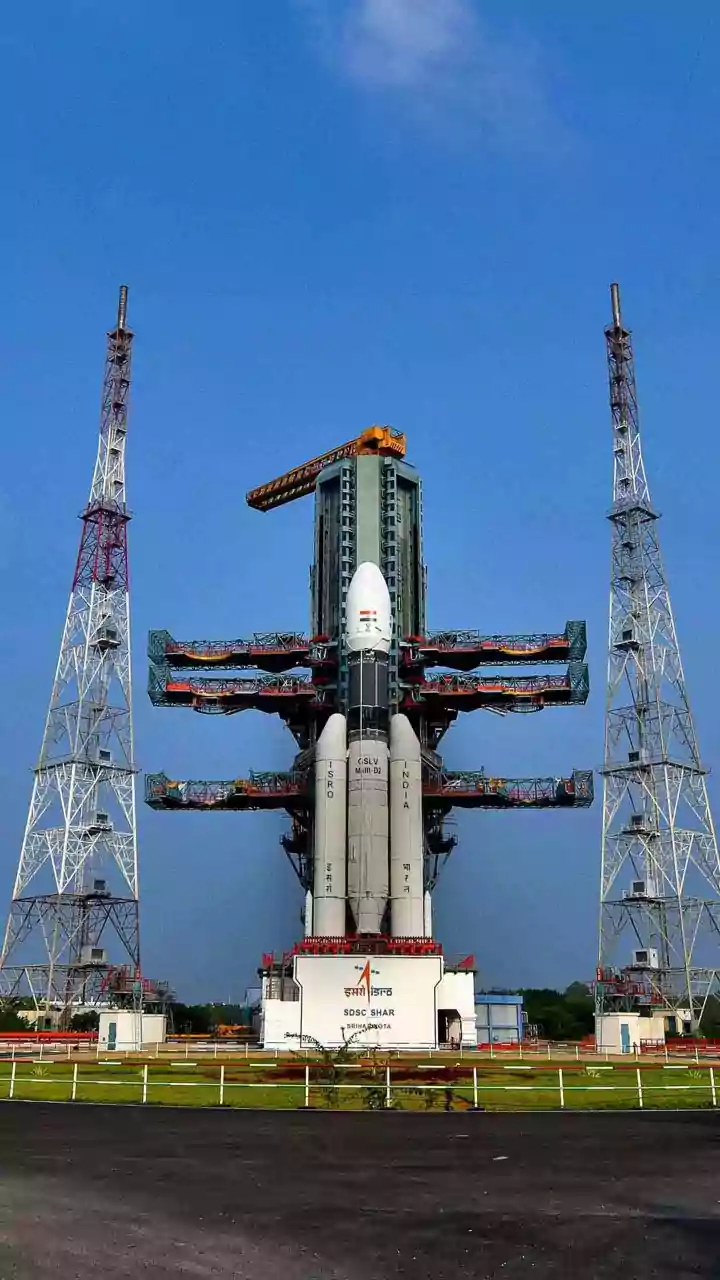
India's space programme is shifting into high gear, with the Indian Space Research Organisation (ISRO) lining up a packed schedule for 2026. The agency has planned for a high cadence of launches, aiming for as many as 27 missions in the 2026-27 financial year. A key focus is the Gaganyaan programme, India's ambitious human spaceflight initiative, with several uncrewed test flights slated. These missions are critical for validating the life support systems and re-entry technology needed to safely send Indian astronauts into orbit. Beyond Gaganyaan, ISRO's manifest includes numerous PSLV and GSLV rocket launches carrying Earth observation satellites, communication satellites, and technology demonstrators, underscoring a broader strategy to scale up India's space capabilities and its share of the global space economy.
Japan's Daring Martian Moon Heist
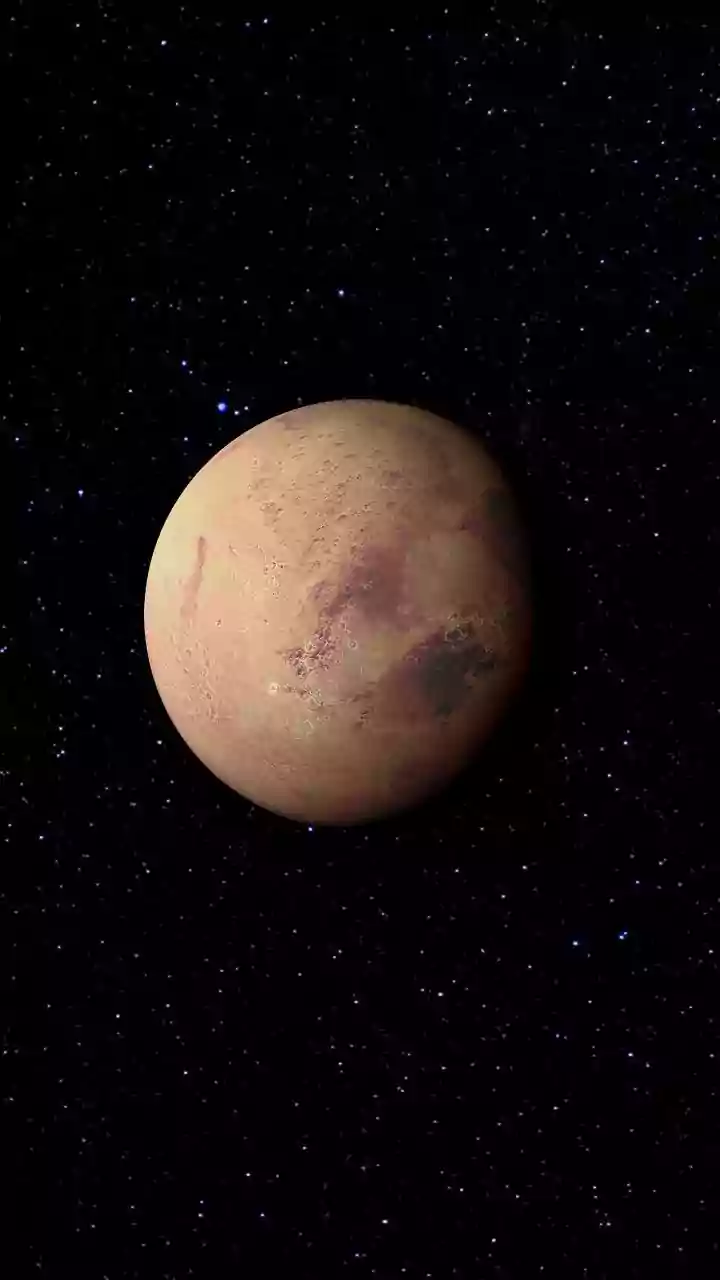
In one of the most exciting missions of the year, the Japan Aerospace Exploration Agency (JAXA) is set to launch its Martian Moons eXploration (MMX) mission in November 2026. The audacious goal is to visit Phobos, the larger of Mars's two tiny moons, land on its surface, collect a sample, and return it to Earth. Scientists are deeply divided on the origin of Mars's moons: are they captured asteroids, or are they remnants of a giant impact on Mars itself? By analysing a physical sample of Phobos in labs on Earth, the MMX mission aims to solve this long-standing mystery. Bringing