


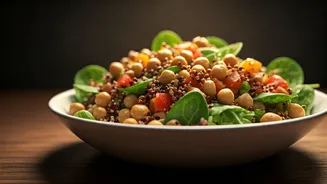


1. Diversify Your Protein Sources
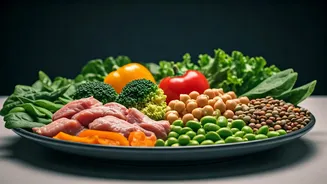
Many vegetarian diets in India lean heavily on dal and paneer for protein. While both are excellent, variety is key to getting a full spectrum of amino acids and other nutrients. This upgrade is about expanding your protein portfolio. Start by incorporating
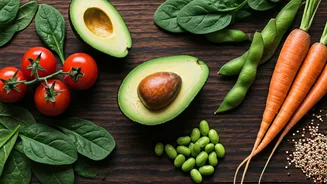
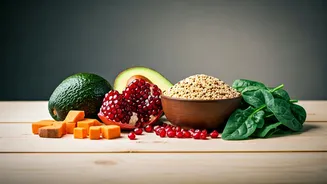
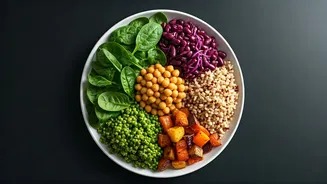
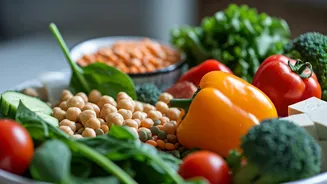
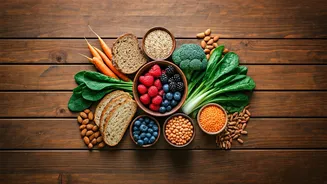
more legumes like chickpeas, kidney beans, and black beans into salads, curries, and snacks. Introduce seeds like hemp, chia, and pumpkin, which can be easily sprinkled over yoghurt, oatmeal, or smoothies. Don't overlook whole grains like quinoa and amaranth, which are complete proteins. Even soy, in the form of tofu, edamame, or tempeh, offers a fantastic, versatile protein boost. The goal isn't to replace your favourite dal, but to supplement it with a wider cast of characters.
2. Prioritise Iron and Its Absorption
Iron deficiency is a common concern on a plant-based diet, not because there's a lack of iron, but because plant-based iron (non-heme iron) is less readily absorbed by the body. The upgrade here is a two-step process: boost intake and improve absorption. Increase your consumption of iron-rich foods like lentils, spinach, tofu, cashews, and fortified cereals. The crucial second step is to pair these foods with a source of Vitamin C. Squeeze lemon juice over your dal or palak, have an amla on the side, or eat a citrus fruit like an orange with your meal. Vitamin C can significantly increase the amount of iron your body absorbs, making your diet far more effective at preventing fatigue and anaemia.
3. Swap Refined Carbs for Complex Ones
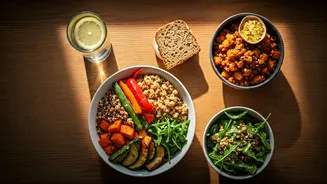
It's easy to fall into the 'unhealthy vegetarian' trap, where meat is replaced with an abundance of refined carbohydrates like white bread, pasta, white rice, and processed snacks. These foods can cause blood sugar spikes and crashes, leaving you feeling tired and hungry. The upgrade is to consciously swap these for complex carbohydrates. Opt for whole wheat roti and bread, brown or red rice, millets like jowar and bajra, and oats. These whole grains provide sustained energy, are rich in fibre which aids digestion and keeps you full longer, and contain essential B vitamins. This single change can dramatically improve your energy levels and support better metabolic health.
4. Actively Add Healthy Fats
Fat is not the enemy; the right kind of fat is essential for brain health, reducing inflammation, and absorbing certain vitamins. Many vegetarian diets can be low in omega-3 fatty acids, which are crucial for heart and brain function. Your upgrade is to actively seek out plant-based sources of omega-3s. The best sources include flaxseeds (alsi), chia seeds, walnuts, and hemp seeds. Just one tablespoon of ground flaxseed or a small handful of walnuts a day can make a significant difference. Using oils like cold-pressed mustard oil or groundnut oil for cooking, and olive oil for dressings, also helps create a better balance of fats in your diet compared to relying solely on refined vegetable oils.
5. Pay Attention to Vitamin B12
This is one non-negotiable for anyone on a long-term vegetarian or vegan diet. Vitamin B12, which is vital for nerve function and the formation of red blood cells, is not reliably found in plant foods. While some gut bacteria can produce it, it is not enough to meet the body's needs. The only reliable upgrade is supplementation or consistent consumption of fortified foods. Many breakfast cereals, plant-based milks (like soy or almond milk), and nutritional yeast are fortified with B12. However, for most long-term vegetarians, a regular B12 supplement (often in the form of cyanocobalamin or methylcobalamin) is the safest and most effective strategy. It's a simple step to prevent a deficiency that can have serious neurological consequences.
6. Go Beyond Dairy for Calcium
While dairy products like milk, yoghurt, and paneer are excellent sources of calcium, it's wise to build bone health resilience with plant-based sources too. This ensures you're covered even on days you consume less dairy, and it's essential for vegans. Upgrade your diet with calcium-rich plant foods like ragi (finger millet), sesame seeds (til), almonds, and dark leafy greens like kale and bok choy. Fortified foods, such as plant milks and some tofu brands (set with calcium sulfate), are also excellent choices. Diversifying your calcium sources not only supports your bones but also provides a host of other minerals and vitamins that come packaged with these whole foods.