



First, Prepare Your Pots
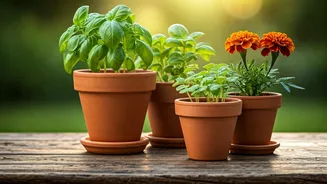
Before you sow a single seed, the right foundation is crucial, especially during the monsoon. The biggest enemy of potted plants in this season is waterlogging, which leads to root rot. Your success starts with excellent drainage. Choose pots with at least
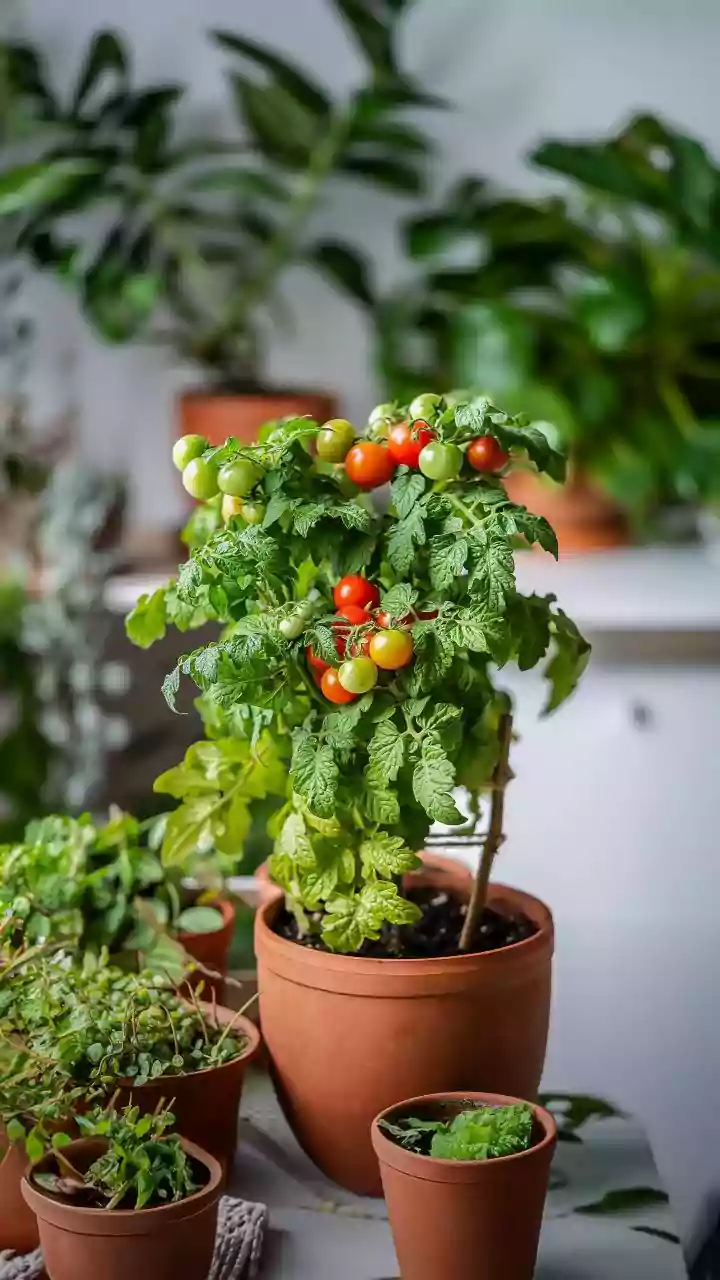
two to three drainage holes at the bottom. Terracotta pots are a great choice as they are porous and allow excess moisture to evaporate. For the soil mix, don't just use garden soil. A lightweight and well-draining mix is ideal. Combine equal parts of cocopeat (to retain just enough moisture), compost (for nutrients), and perlite or sand (to ensure aeration and drainage). This 'potting mix' ensures your plant's roots can breathe, even when it's pouring outside. A layer of broken pot pieces or small stones at the bottom of the pot before adding soil can further enhance drainage.
Bhindi (Okra): The Hardy Favourite
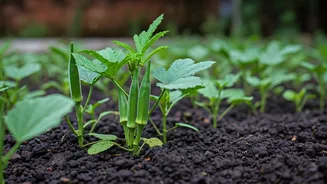
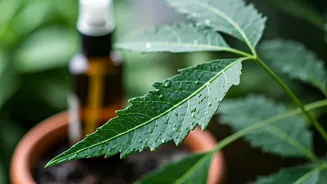
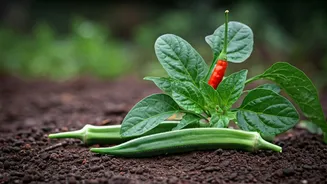
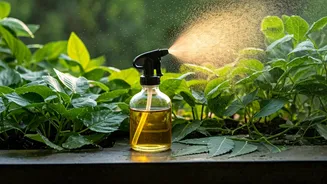
Bhindi is a quintessential Indian monsoon vegetable that is incredibly forgiving for beginners. It loves the heat and humidity of the season. For container gardening, choose a pot that is at least 10-12 inches deep to accommodate its taproot. Sow two to three seeds directly into the pot, about an inch deep, and water them. Once the seedlings are a few inches tall, keep the strongest one and snip the others at the soil level. Bhindi plants require at least 5-6 hours of direct sunlight. Water only when the top inch of the soil feels dry. Overwatering is a common mistake. You can expect to start harvesting fresh okra in about 50-60 days. Keep an eye out for common pests like aphids; a simple spray of neem oil solution can keep them at bay.
Palak (Spinach): The Quick Green
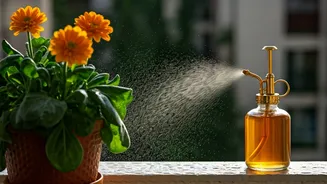
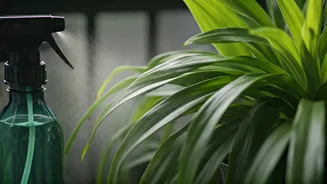
If you're looking for quick results, Palak is your plant. This leafy green grows incredibly fast and can be harvested multiple times from a single planting. Choose a wide, shallow container or a rectangular planter. Scatter the seeds over your prepared potting mix and cover them with a thin layer of soil. Gently water with a sprayer so as not to dislodge the seeds. Spinach prefers a spot with partial shade or morning sun, as harsh afternoon sun can cause the leaves to turn bitter. Keep the soil consistently moist but not waterlogged. You can start harvesting the outer leaves in just 30-40 days. This 'cut-and-come-again' method allows the inner leaves to continue growing, giving you a continuous supply of fresh greens for your dal or sabzi.
Chillies: A Spicy Staple
No Indian kitchen is complete without chillies, and they are surprisingly easy to grow in pots. One healthy plant can provide you with a steady supply for months. You can either grow them from seeds or buy a small sapling from a nursery to get a head start. Plant them in a pot that's at least 8-10 inches deep. Chillies are sun-lovers and need a spot that receives plenty of direct sunlight. They are relatively drought-tolerant, so be careful not to overwater. Let the soil dry out slightly between waterings. Once the plant starts flowering, you can give it a boost with a mild organic fertiliser like vermicompost. From green to red, you can harvest them at any stage depending on your preference for heat.
Lauki (Bottle Gourd): The Ambitious Climber
For those with a balcony or a small patio, growing a climber like Lauki can be incredibly rewarding. While it requires a bit more space, it’s not complicated. You'll need a large container, at least 15-18 inches deep and wide, to support this vigorous vine. More importantly, you need to provide a sturdy trellis or support system for it to climb. Sow a few seeds and keep the healthiest seedling. It needs full sun and consistent moisture. The large leaves can sometimes be prone to mildew during the humid monsoon, so ensure good air circulation around the plant. Watching the gourds grow bigger each day is a truly satisfying experience for any new gardener. A single vine can produce several gourds, giving you plenty for your family.