
What Exactly Is Sattu?
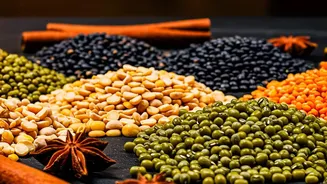
Sattu is a flour made from roasted pulses and cereals, most commonly Bengal gram (chana). A staple in states like Bihar, Jharkhand, and Uttar Pradesh, this ingredient has sustained generations. The roasting process is key; it gives sattu a unique nutty
flavour and, importantly, makes its nutrients more digestible. Traditionally, it's mixed with water, salt, and lemon for a cooling summer drink called sharbat, or used as a filling for parathas and littis. Often called the 'poor man's protein', its affordability and long shelf life have made it a cornerstone of traditional diets.
A Nutritional Powerhouse
Sattu’s reputation as a superfood is well-earned. It is an excellent source of plant-based protein, with most chana-based varieties containing 20-25 grams of protein per 100 grams. This makes it a fantastic option for vegetarians, vegans, and anyone looking to boost their protein intake naturally. Beyond protein, sattu is packed with dietary fibre, which aids digestion, helps prevent constipation, and promotes a feeling of fullness, making it beneficial for weight management. It’s also rich in essential minerals like iron, magnesium, and calcium. With a low glycaemic index, sattu provides sustained energy without causing sharp spikes in blood sugar, making it a suitable choice for many.
From Traditional Drink to Modern Bowl
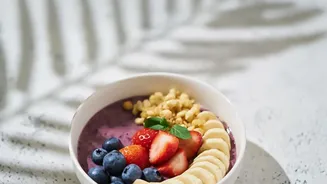
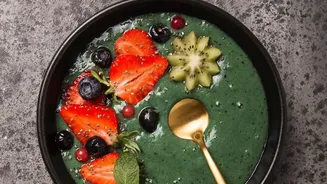
The smoothie bowl is a perfect modern canvas for an ancient ingredient. While the traditional sattu sharbat is a thin, savoury drink designed for hydration, a smoothie bowl transforms sattu into a thick, spoonable meal. This format allows for a richer texture and endless creativity with toppings. By blending sattu with frozen fruits and a small amount of liquid, you get a creamy, satisfying base that feels more like a treat than a health food. It's a brilliant way to introduce this nutritious flour to a new generation or to those unfamiliar with its traditional uses, merging the best of old-world nutrition with contemporary food trends.
Crafting Your Perfect Sattu Smoothie Bowl
Creating a sattu smoothie bowl is simple. The key is to use frozen fruit to achieve a thick, ice-cream-like consistency. Start with a base, add your sattu, a splash of liquid, and blend.
Base Recipe:
Sattu: 3-4 tablespoons of sattu flour.
Frozen Fruit: 1 large frozen banana, or 1 cup of frozen mango chunks. Banana provides natural sweetness and creaminess.
Liquid: Start with just 1/4 cup of milk, plant-based milk (like almond or coconut), or yoghurt. Add more only if needed to get the blender moving.
Optional Sweetener: A pitted date or a teaspoon of honey or jaggery, if your fruit isn't sweet enough.
Blend these ingredients until thick and smooth. Pour into a bowl and get ready for the best part: the toppings. Good options include fresh fruit slices, a sprinkle of nuts and seeds (chia, flax, pumpkin), a handful of granola for crunch, or a dollop of nut butter.
Tips for Sattu Success
To make the most of your sattu experience, keep a few things in mind. First, ensure you are using sattu made from roasted gram, as this has the best flavour and nutritional profile. When blending, start with less liquid and add it slowly; too much will turn your thick bowl into a thin, drinkable smoothie. The earthy, nutty taste of sattu pairs beautifully with fruits like banana, mango, and chikoo. For a flavour twist, add a pinch of cardamom or cinnamon. Since sattu is high in fibre, if you are new to it, start with a smaller amount to allow your digestive system to adjust. Enjoy your smoothie bowl immediately after preparing, as it will melt and lose its thick texture over time.