








The Game-Changer: The Delhi-Dehradun Expressway
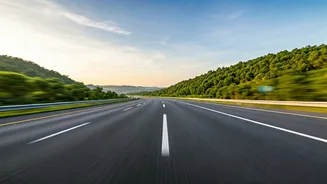
The long-awaited Delhi-Dehradun Expressway is now operational, marking a significant shift for travellers heading to Uttarakhand. This 210-kilometre, access-controlled corridor was inaugurated in April 2026 and is designed to make the journey faster,
safer, and more efficient. Previously, the drive could take anywhere from six to seven hours, navigating through congested towns and unpredictable traffic. Now, the expressway promises a travel time of about two and a half hours, making the Queen of the Hills more accessible than ever for weekend warriors from Delhi, Noida, and Gurugram.
What Makes This a True 'Upgrade'?
The transformation goes beyond just speed. The expressway, a mix of six and twelve lanes in different phases, starts near Akshardham in Delhi and passes through key areas in Uttar Pradesh like Baghpat, Shamli, and Saharanpur before reaching Dehradun. It is designed for a speed of 100 kmph, eliminating the bottlenecks that plagued the old route. A dedicated spur also connects the expressway to Haridwar, reducing that journey to approximately two hours. For those heading further into the mountains, this means trips to Mussoorie can now be completed in roughly four hours, a significant saving compared to previous travel times. The entire project, built at a cost of around ₹13,000 crore, represents a monumental leap in regional connectivity.
A Landmark in Sustainable Infrastructure
One of the most remarkable features of this project is its focus on wildlife preservation. A 12-kilometre elevated section of the expressway passes through the eco-sensitive zone of Rajaji National Park. This structure, one of Asia's longest wildlife corridors, allows animals to move freely beneath the highway, mitigating human-wildlife conflict. Studies conducted even before the official opening showed extensive use of these underpasses by elephants, leopards, deer, and 15 other species, proving the design's success. Sound barriers and carefully managed lighting have also been installed to minimize disturbance to nocturnal animals, setting a new benchmark for how infrastructure development can coexist with nature.
The Ripple Effect on Tourism and Local Economies
The expressway is poised to revolutionise tourism in Uttarakhand. With Dehradun and its surrounding destinations like Rishikesh and Mussoorie now a quick drive away, a surge in weekend visitors from the NCR is expected. This is anticipated to boost local hospitality businesses, from hotels to homestays, and encourage investment in the region. However, the new route has had unintended consequences for some. Towns like Haridwar, which were once essential stopovers, have reported a significant drop in business as travellers now bypass the city. This highlights how major infrastructure projects can redraw economic and travel maps, creating new opportunities in some areas while challenging existing business models in others.
Planning Your First Trip
As of June 2026, the expressway is fully operational, with FASTag tolling active across its five plazas. A one-way trip for a car is estimated to cost around ₹670. While the official starting point is Akshardham, drivers coming from western parts of the NCR like Gurgaon might find it more efficient to use peripheral roads to bypass Delhi traffic before joining the main corridor. Though the highway itself is complete, some roadside amenities are still in the process of becoming fully functional. Motorists have also noted some confusion regarding variable speed limit signs on certain stretches within Delhi, so it is advisable to remain attentive to the posted limits.