


Early July: The Moon Visits Saturn
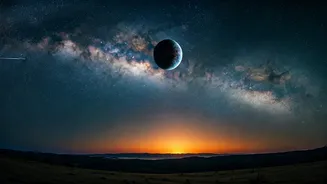
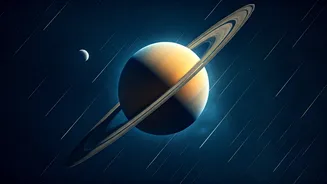
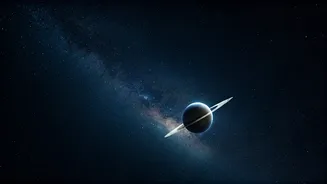
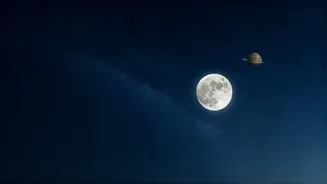
Kick off the month with an early morning spectacle. In the pre-dawn hours of July 7th and 8th, you can find the Moon making a close approach to Saturn. The two will rise after midnight and be visible in the eastern sky until the morning light washes them
out. Saturn’s steady, golden glow is easy to distinguish from the twinkling stars around it. Even with just your eyes, the sight of the pale Moon next to the famous ringed planet is a beautiful way to start the day. If you have binoculars or a small telescope, you may even get a glimpse of Saturn's iconic rings, which currently appear unusually thin from our perspective on Earth.
Mid-Month: A Trio with Mars and the Seven Sisters
The celestial action continues in the morning sky around July 11th. A lovely waning crescent Moon will form a trio with the fiery planet Mars and the famous Pleiades star cluster, also known as the Seven Sisters. Look towards the east before sunrise to catch this picturesque arrangement. Mars will appear as a distinct reddish point of light. Nearby, the Pleiades will look like a tiny, shimmering cluster of blue-white stars. While you might only be able to spot a few of the 'sisters' with the naked eye, a pair of binoculars will reveal dozens of stars packed closely together, making this a truly rewarding sight for early risers. Uranus will also be in the same part of the sky, though you'll need binoculars to spot the faint planet.
Evening Delight: Venus and a Crescent Moon
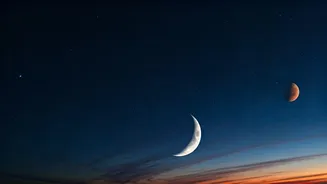
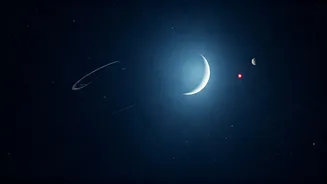
For those who prefer evening skywatching, July 17th offers a stunning, though brief, event. Shortly after sunset, look to the western horizon to see a brilliant Venus paired with a slim, young crescent Moon. This conjunction is one of the easiest and most beautiful events of the month, perfect for casual observers, as Venus is unmistakably bright. The pair will hang beautifully in the fading twilight but will sink below the horizon not long after, so be sure to look for them as dusk settles in. This fleeting dance between the two brightest objects in the night sky is a sight you won’t want to miss.
Prime Time for the Milky Way
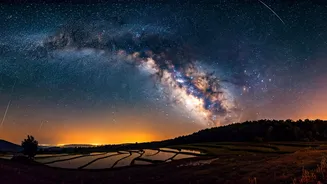
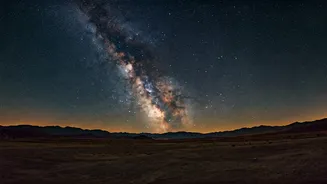
One of the best events this month is actually the absence of one. Around the New Moon on July 14th, the sky will be at its darkest, free from moonlight that typically washes out fainter objects. This creates the perfect window to see the Milky Way in all its glory. If you can get away from city lights to a dark location, you'll see our galaxy stretching across the sky like a faint, cloudy band. The area near the constellations Sagittarius and Scorpius is particularly dense and beautiful, marking the direction of the galactic centre. It’s a powerful reminder of our place in the cosmos, available to anyone with clear, dark skies.
End of the Month: The Full Buck Moon
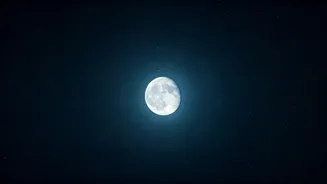
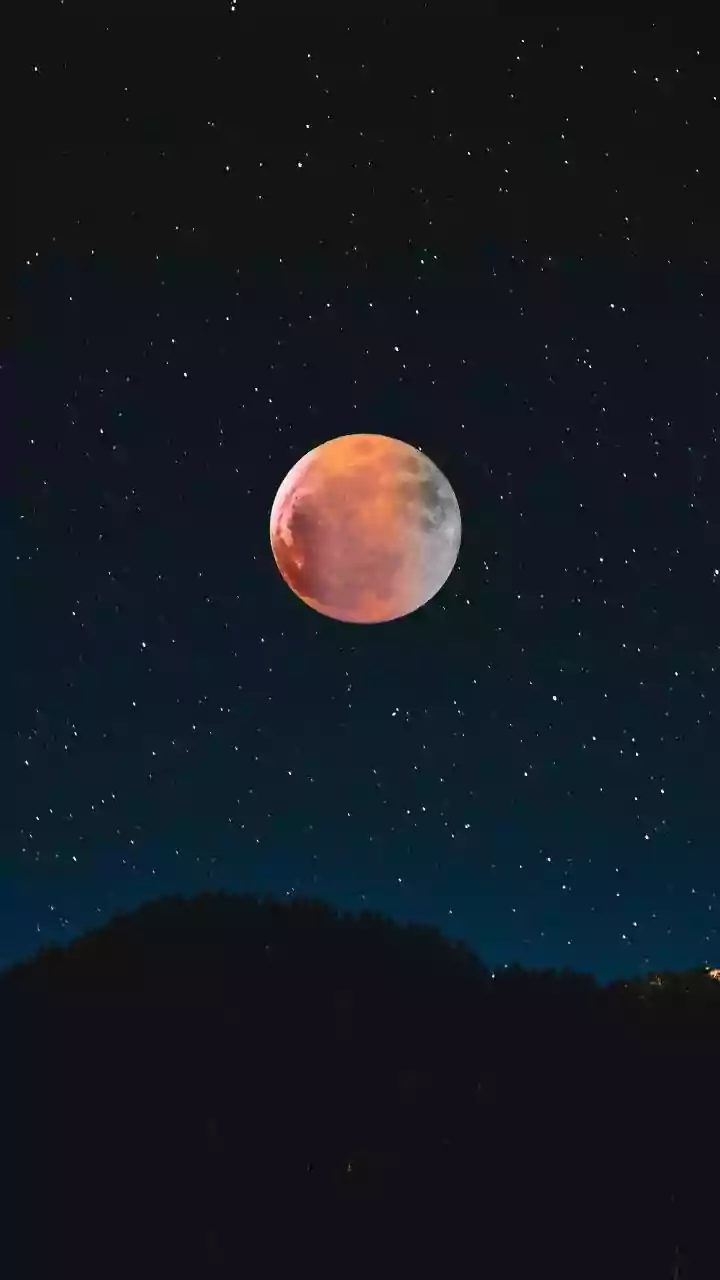
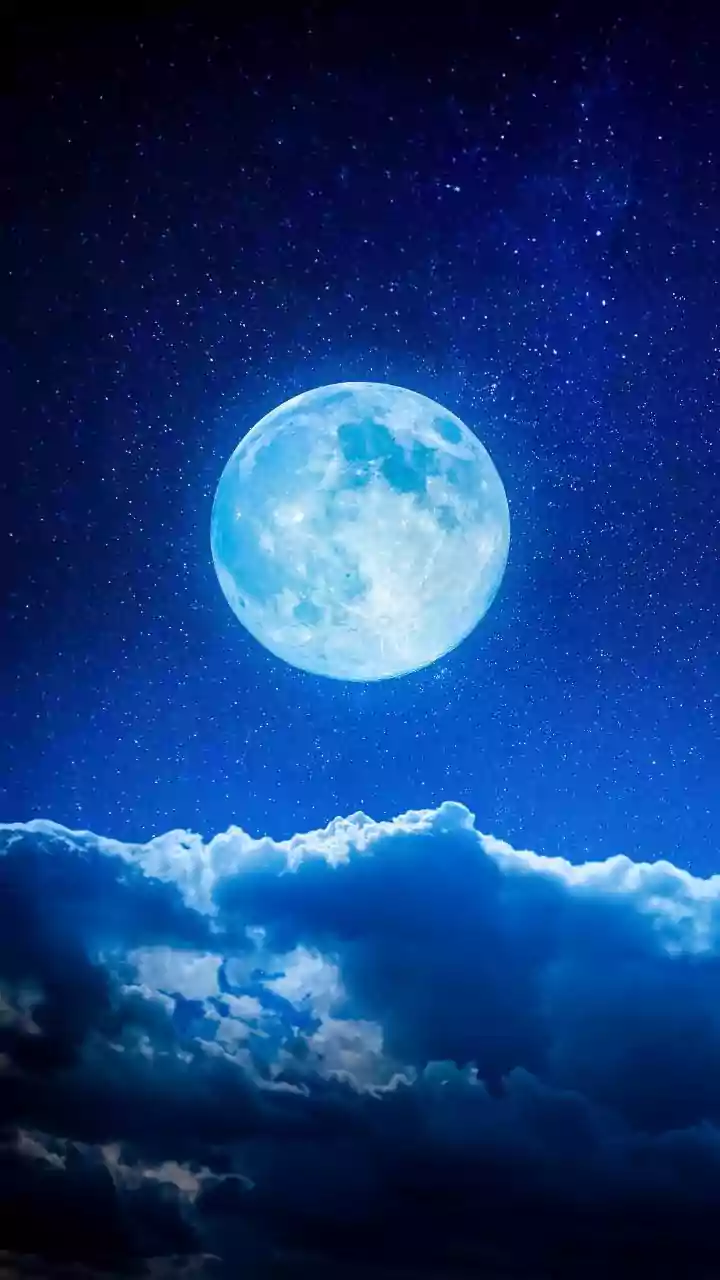
July concludes with the rising of the Full Buck Moon on July 29th. This full moon gets its name from the time of year when male deer begin to grow their new antlers. While the name has earthly origins, the sight is purely astronomical, with a fully illuminated Moon rising to dominate the night from dusk until dawn. It will be visible all night long, serving as a bright and beautiful finale to a month packed with celestial wonders.