





For decades, a home's value in India was defined by three things: location, location, location. But a silent revolution is underway. Today, the quality of a home's digital connection is as crucial as its physical address.
The Fourth Utility Has Arrived
Not long ago, utilities meant
water, electricity, and cooking gas. Today, high-speed internet has firmly established itself as the fourth, non-negotiable utility for Indian households. The shift, accelerated by the pandemic-induced work-from-home culture, has fundamentally altered buyer priorities. A property's value is no longer just about its physical attributes but also its digital readiness. Homebuyers and renters now actively inquire about the presence of fibre-to-the-home (FTTH) infrastructure, treating it as a prerequisite, not a bonus. This demand is reshaping real estate, with digitally connected locations in cities like Bengaluru, Mumbai, and Hyderabad seeing faster rental growth and higher investor interest.
More Than Just Remote Work
While the need to support remote work initially drove the demand for better connectivity, its importance now extends into every facet of domestic life. A stable, high-speed connection is the backbone for modern entertainment, from 4K streaming and online gaming to staying connected with family via video calls. It is also a critical enabler for burgeoning sectors like telemedicine and e-learning, allowing households to access essential services without leaving home. This evolution means a well-connected home offers a superior quality of life, a factor that prospective buyers are increasingly willing to pay a premium for.
Powering the Smart Home
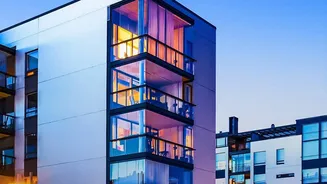
The dream of a 'smart home' is becoming a mainstream reality in urban India, and reliable internet is its central nervous system. Features like app-controlled lighting, smart security cameras, biometric locks, and digital assistants are no longer confined to luxury penthouses. These technologies rely entirely on an alwayson, highndwidth internet connection to function. Developers are recognizing this trend, marketing new projects as 'smartndabled' to attract modern, techsavvy buyers. Consequently, a home that is already equipped with the necessary fibre infrastructure is seen as a more valuable, futureproof asset.
The Developer and Investor Perspective
Real estate developers are now proactively integrating digital infrastructure into their blueprints. Offering FTTH is a powerful marketing tool that gives a project a competitive edge. It signals a modern, highquality development and helps attract discerning buyers and tenants, potentially leading to faster sales and higher rental yields. For investors, properties in digitally advanced zones are perceived as futureready investments poised for better appreciation. This has led to a noticeable trend where developers are not just building homes, but creating connected ecosystems. Government initiatives like the Digital India Land Records Modernisation Programme are also boosting transparency and investor confidence in the sector.
A New Digital Divide in Housing
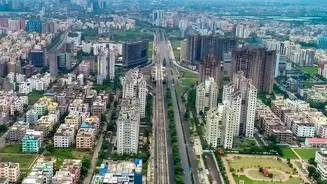
This focus on connectivity is also creating a new form of disparity in the property market. While wellplanned projects in metro cities boast gigabit speeds, many older buildings and properties in Tier‑2, Tier‑3, and rural areas lag behind. This 'connectivity gap' can directly impact property values, making it harder to sell or rent homes in areas with poor digital infrastructure. As the market increasingly prices in the value of a good internet connection, the digital divide is becoming a real estate divide, influencing where people choose to live and invest. While hybrid work models have made peripheral locations more attractive, this is only true if they offer robust connectivity to compensate for the distance from traditional city centres.