





What is Sustainable Gardening?
At its heart, sustainable gardening is a philosophy of working *with* nature, not against it. It means creating a garden that thrives with minimal negative impact on the environment. Forget the old model of high-water usage, chemical fertilisers, and
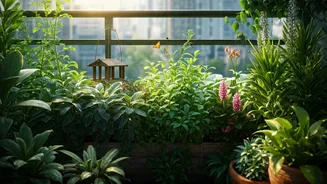
pesticides. The new approach is about building a resilient, self-sufficient ecosystem right in your backyard, balcony, or terrace. It involves choosing plants that suit your local climate, nurturing the soil as a living entity, conserving water, and creating a habitat that supports beneficial insects and birds. This isn't about restriction; it's about intelligent, thoughtful cultivation that results in a healthier garden and a healthier planet.
Why It's More Than Just a Trend
Calling sustainability a 'trend' misses the point. It’s a necessary evolution in how we interact with the land, no matter how small our patch is. In a country like India, with its diverse climates and increasing water stress, these practices are not just 'nice to have'—they are practical and wise. A sustainable garden uses less water, a critical benefit in both urban and rural areas. By avoiding chemical pesticides and fertilisers, you protect local water sources from pollution and ensure the food you grow is genuinely clean. Furthermore, you reduce household waste by composting kitchen scraps and create a small but vital sanctuary for local biodiversity, like bees and butterflies, which are essential for pollination.
1. Prioritise Native Plants
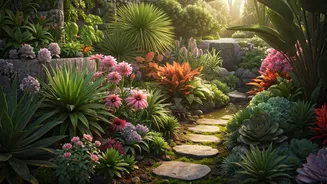
The single most effective step towards a sustainable garden is to embrace native plants. These are species that have evolved in your specific region for thousands of years. Think hibiscus, marigold (genda), jasmine (mogra), or curry leaf plants. Because they are perfectly adapted to the local soil, rainfall patterns, and temperature, they require far less water, fertiliser, and general maintenance than exotic or imported varieties. They also provide the ideal food and shelter for local birds, bees, and butterflies, turning your garden into a crucial link in the local ecological chain. A quick search online or a visit to a local nursery can help you identify beautiful and hardy native options for your area.
2. Master the Art of Composting
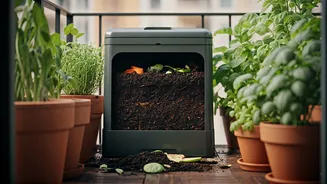
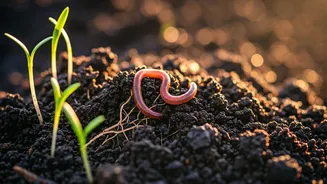
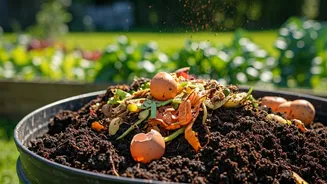
Every year, Indian cities generate millions of tonnes of waste, a significant portion of which is organic matter from our kitchens. Composting allows you to intercept this 'waste' and turn it into 'black gold' for your garden. Vegetable peels, fruit scraps, tea leaves, and eggshells can all be broken down in a compost bin or pile. This process creates a nutrient-rich, all-natural fertiliser that dramatically improves soil structure and fertility, eliminating the need for chemical alternatives. For apartment dwellers, compact solutions like terracotta composters (kambhas) or vermicomposting (using earthworms) are highly effective and odour-free.
3. Harvest Every Drop of Rain
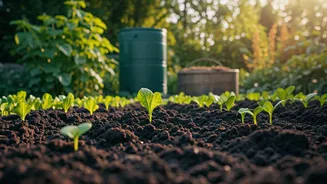
Water is a precious resource, and a sustainable garden treats it as such. Rainwater harvesting is a simple yet powerful technique. During the monsoon, even a small balcony can collect a significant amount of water. You can set up a simple system with a barrel or a series of large buckets connected to a downspout or placed in an open area. This naturally soft, chlorine-free water is perfect for your plants. Additionally, watering your plants deeply but less frequently encourages them to develop deeper root systems, making them more resilient to drought. Always water in the early morning or late evening to minimise evaporation.
4. Embrace Natural Pest Control
A healthy garden has a natural balance, and that includes insects. Instead of reaching for a chemical spray at the first sign of a pest, focus on prevention and natural solutions. Companion planting is a great strategy; planting marigolds can deter nematodes, while basil can help repel aphids from tomato plants. A simple spray made from neem oil, a product familiar in every Indian household, is a powerful organic insecticide and fungicide. Encouraging predators like ladybugs and lacewings by planting flowers they love will also create a natural defence force for your garden.