



The Rise of the Untouchable Room
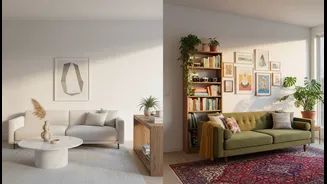
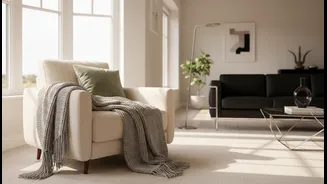
The showroom aesthetic was defined by what it lacked: personality, clutter, and any sign of actual human activity. Think stark white or grey walls, minimalist furniture with sharp lines, and surfaces cleared of everything but a single, artfully placed
object. This look was heavily promoted by social media, where algorithm-friendly images of flawless interiors set an impossibly high standard. These spaces were designed to look good in a photo, not necessarily to be lived in. The pressure to maintain this level of perfection was immense, turning homes into galleries rather than sanctuaries and making a single misplaced item feel like a design failure.
Why Perfection's Bubble Finally Burst
The shift away from showroom sterility began as our relationship with our homes fundamentally changed. During the pandemic, houses had to become offices, schools, and gyms, forcing a reckoning with spaces that were beautiful but impractical. This intense period of domestic life revealed the shortcomings of open-plan layouts and the need for private, functional zones. There’s also a growing fatigue with the pressure to be perfect. Designers and homeowners are now consciously moving away from spaces that feel contrived or performative, seeking authenticity instead. Economic realities also play a part; the constant churn of fast furniture and trend-chasing is giving way to a desire for longevity and sustainability.
Welcome to the Lived-In Era
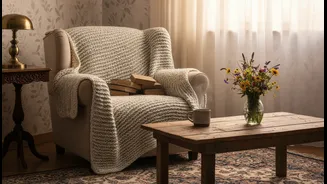
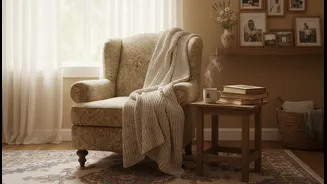
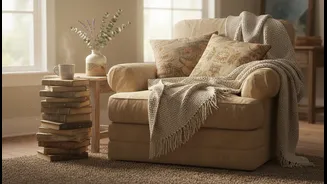
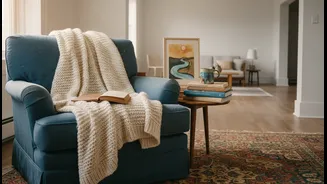
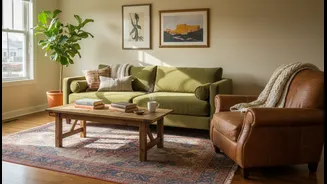
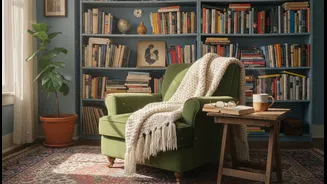
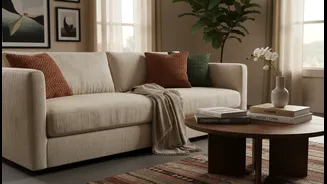
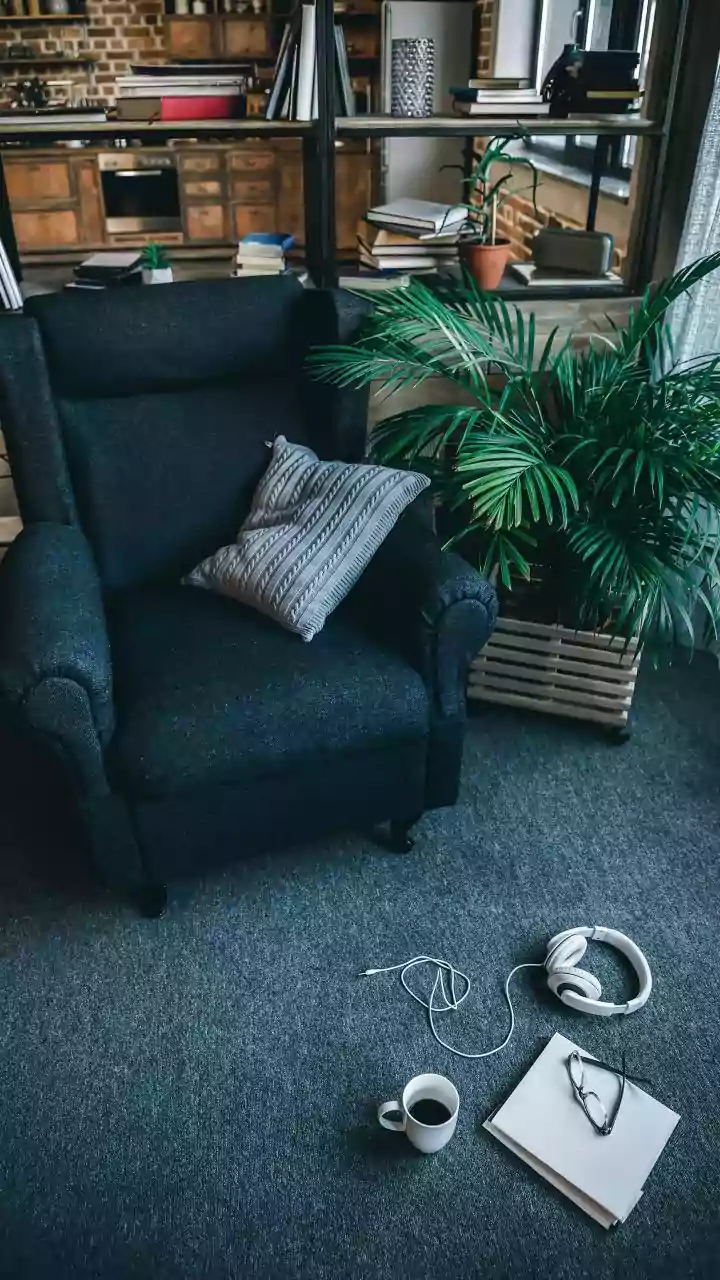
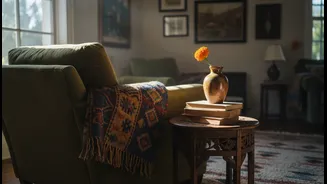
In place of cold minimalism, a warmer, more personal aesthetic is taking root. Trends like "cluttercore" and "playfulism" celebrate individuality and the joy of being surrounded by things you love, whether they match or not. The focus is on creating interiors that feel collected over time, mixing vintage finds with modern pieces and cherished heirlooms. This new approach embraces imperfection, from the patina on unlacquered metals to the visible texture of linen and aged wood. Earthy colour palettes with tones of olive, clay, and rich woods are replacing stark whites, creating spaces that feel atmospheric and inviting. The goal is no longer a perfect home, but a home with a soul.
Making Your Home a Real Home
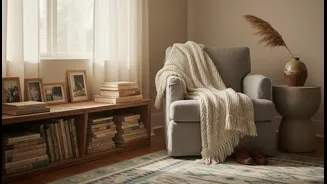
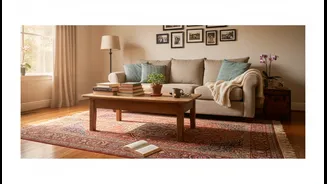
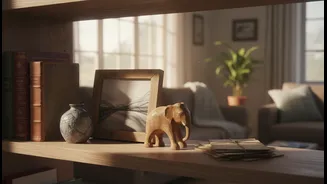
Embracing this new mindset doesn’t require a complete overhaul. It's about small, intentional shifts towards authenticity. Instead of hiding away personal items, put them on display. A stack of books, a gallery wall of family photos, or a collection of travel souvenirs tells your story. Choose materials that get better with age, like natural stone and real wood, which develop character over time. Prioritise comfort and function; if a sofa is beautiful but no one wants to sit on it, it’s not succeeding. This is a move toward what some designers call "slow decorating," where rooms evolve organically. It's about giving yourself permission to have a home that reflects the beautiful, messy reality of a life well-lived.