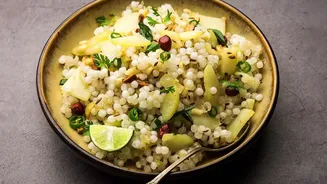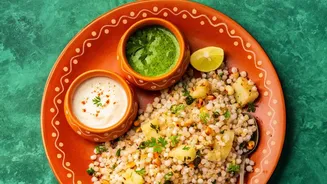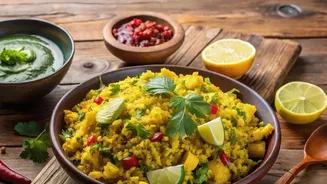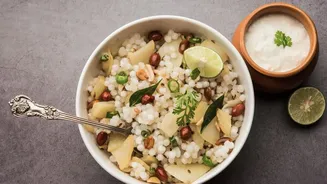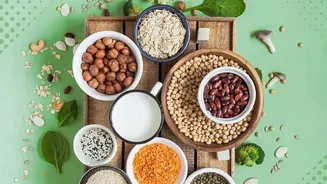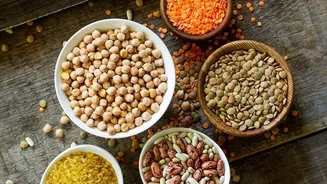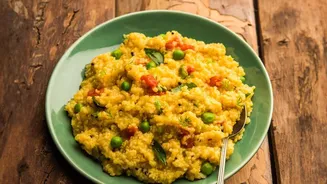

Dalia and Khichdi are cornerstones of comfort and health in Indian kitchens. But when put head-to-head, which one is nutritionally superior? The answer isn't simple, as it has less to do with the grain and more to do with the pan.
The Baseline: Understanding Dalia
Dalia, or broken wheat,
is a whole grain that has been coarsely ground. Because it isn't heavily refined, it retains its bran and germ, making it a fantastic source of dietary fibre, complex carbohydrates, and essential nutrients like magnesium and iron. A 100-gram serving of uncooked dalia contains roughly 12 grams of protein and 10 grams of fibre. Its primary health benefit lies in its low glycemic index (GI), which is around 41. This means it releases sugar into the bloodstream slowly, providing sustained energy and making it an excellent choice for weight management and individuals with diabetes.
The Combination: Understanding Khichdi
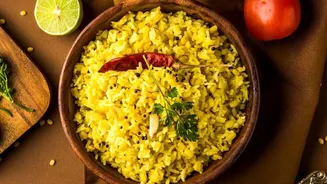
Khichdi isn't a single ingredient but a complete meal in a bowl. Its most basic form combines rice and a lentil, typically moong dal. This pairing is a classic example of protein complementation; the rice and dal together provide a more complete amino acid profile than either could alone. While traditionally seen as food for recovery due to its easy digestibility, khichdi is a versatile and nutritious dish. A standard bowl of plain moong dal khichdi can offer around 8 grams of protein and over 3 grams of fibre, making it a balanced meal. Its nutritional profile, however, is a starting point, not a final number.
The Real Difference: How Cooking Changes Everything
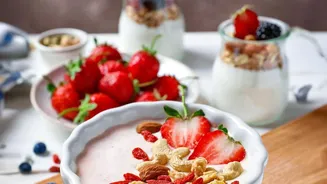
The true nutritional value of both Dalia and Khichdi is decided by the cook. The debate shifts dramatically once additions and cooking methods are considered. A plain bowl of boiled Dalia has very different properties from a 'meetha dalia' loaded with sugar and full-fat milk, or a 'masala dalia' sautéed in ghee with vegetables. Similarly, a simple, watery Khichdi made for someone who is unwell is worlds apart from a rich, tadka-laden vegetable khichdi topped with a generous spoonful of ghee. These additions can significantly alter the calorie, fat, and even nutrient content of the final dish. A single teaspoon of ghee, for example, adds about 45 calories.
Making Your Dalia Healthier
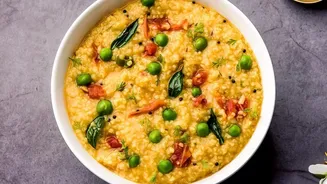
To maximise the benefits of Dalia, the key is mindful preparation. A savoury vegetable dalia, cooked with minimal oil and packed with high-fibre vegetables like carrots, peas, and spinach, becomes a nutrient-dense powerhouse perfect for weight loss. This preparation keeps the calories low while boosting the vitamin and mineral content. If you prefer a sweet version for breakfast, swapping sugar for a natural sweetener and using low-fat milk can keep it healthy. The goal is to leverage Dalia's high-fibre, low-GI base without negating its benefits with high_calorie additions.
Customising Your Khichdi for Nutrition
Khichdi is exceptionally customisable. To enhance its nutritional value, you can alter the grain_to_lentil ratio, favouring more dal to increase the protein content. Swapping white rice for brown rice, millets, or even using dalia itself to make 'dalia khichdi' can significantly boost fibre and lower the glycemic index. Adding a variety of vegetables makes the meal more filling and nutrient_rich. Furthermore, cooking in a pressure cooker is a beneficial method. It uses less water and has a shorter cooking time, which helps in better retention of heat_sensitive nutrients like B vitamins and Vitamin C. It also effectively breaks down anti_nutrients in legumes, making minerals more available for absorption.