




An Appetite for Adventure
At the heart of this trend is a growing sense of curiosity among Indian diners. No longer satisfied with simply eating, today's urban consumers want to understand their food. They crave a narrative, asking where an ingredient comes from or why a particular
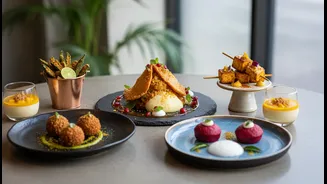
dish is being served. This shift reflects a broader change in consumer psychology, especially among professionals aged 25 to 45, who increasingly value unique, curated experiences over large, heavy meals. Restaurants offering tasting menus have become destinations for those seeking not just a meal, but a memorable story told one plate at a time. This format allows diners to place their trust in the chef, embarking on a culinary exploration of new ingredients, forgotten recipes, and innovative techniques.
The Chef as Storyteller
For chefs, the tasting menu is the ultimate creative canvas. It provides the freedom to move beyond repetitive bestsellers and showcase their full range of skills. Many are using this format to champion India's vast culinary heritage, reviving lost family recipes and highlighting indigenous ingredients. Chefs are becoming cultural custodians, using their menus to tell stories about a specific region, a season, or a memory. From foraged Himalayan ingredients at Masque in Mumbai to the reimagined South Indian classics at Avartana in Chennai, these menus are deeply personal and rooted in place. This approach transforms the dining experience into an emotional and intellectual discovery, connecting diners to India's rich biodiversity and history.
The Smart Business Behind the Boom
While creatively fulfilling, the tasting menu is also a strategic business decision. By offering a fixed, pre-set number of courses, restaurants can forecast ingredient needs with high precision, which significantly reduces food wastage and allows for tighter inventory control. This operational efficiency helps protect profit margins. Furthermore, a set price simplifies billing and manages customer expectations from the outset. In an age of social media, the visually stunning, multi-course format is inherently photogenic, with each dish becoming a piece of shareable content that provides organic marketing. The willingness of diners to pay a premium for a unique, chef-led experience makes the model economically viable, with some destination restaurants seeing guests fly in just for a meal.
Beyond the Metros
What began as a trend in the culinary capitals of Mumbai and Delhi is now spreading across the country. A quiet but confident shift is happening in Tier-2 cities like Jaipur, Lucknow, Kochi, and Chandigarh, which are developing their own vibrant fine-dining ecosystems. Increased travel exposure, rising disposable incomes, and greater culinary literacy through digital platforms have created a new generation of aspirational diners in these emerging urban centers. Rather than simply copying metro trends, chefs in these cities are creating menus with a strong sense of local pride, blending regional ingredients with modern techniques to offer experiences that feel both unique and rooted. This expansion signals that the tasting menu is not a passing fad but a deeper evolution in how all of India experiences food.