







An Invisible Underground Workforce
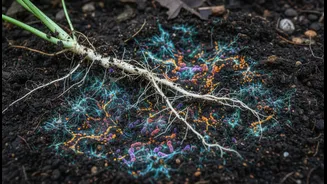
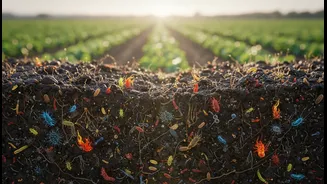
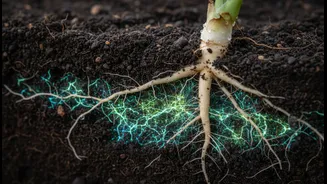
A single spoonful of healthy soil contains billions of microbes, including bacteria and fungi. This bustling community is known as the soil microbiome, and it acts as a life-support system for plants. These organisms aren't just passive residents; they
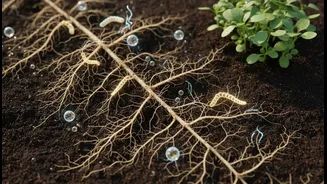
are active workers. They break down organic matter into essential nutrients that plants can absorb, a process known as nutrient cycling. Some bacteria can pull nitrogen from the atmosphere and convert it into a usable form for plants, a natural alternative to synthetic fertilisers. Others form symbiotic relationships with roots, extending their reach for water and nutrients, while some produce compounds that can protect plants from diseases.
From the Lab to the Land
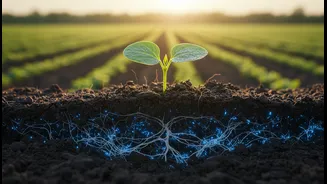
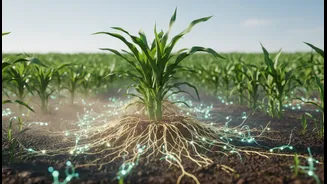
For decades, this science was largely confined to laboratories. Today, it’s becoming a practical tool for farmers. Scientists have identified specific strains of beneficial microbes and are culturing them to create products known as microbial inoculants or bio-fertilisers. These products can be applied as a seed coating, directly to the soil, or sprayed onto foliage. The goal is to introduce a high concentration of beneficial microbes into the root zone to enhance natural processes. Think of it as a probiotic for the soil, designed to boost the existing microbial population and improve its overall function. These are not genetically modified organisms but rather beneficial, naturally occurring microbes selected for their specific abilities.
The Practical Payoff for Farmers
The shift towards microbial solutions offers tangible benefits that can directly impact a farmer's bottom line. The primary advantage is improved nutrient availability, which can lead to healthier plants and increased crop yields, in some cases by 10-30%. By enhancing the soil's natural fertility, farmers can reduce their dependence on expensive chemical fertilisers, lowering input costs and mitigating environmental runoff. These microbes also improve soil structure, increasing its ability to hold water—a crucial benefit for resilience against drought. Furthermore, a healthy and diverse microbiome can help suppress soil-borne pathogens, potentially reducing the need for chemical pesticides.
Adoption and Challenges in India
In India, bio-fertilisers are gaining traction as a solution to challenges like declining soil fertility and the rising cost of chemical inputs. Government initiatives like the Paramparagat Krishi Vikas Yojana are actively promoting their use to support sustainable agriculture. Several Indian companies are now producing a range of microbial products tailored for local crops and conditions, from nitrogen-fixers like Rhizobium for pulses to phosphate-solubilising bacteria for cereals and vegetables. However, challenges remain. The effectiveness of these products can be inconsistent, as the microbes must survive and compete in diverse soil environments. Issues like limited shelf life, especially in India's high temperatures, and the presence of low-quality products on the market can also erode farmer trust.
The Future of Farming is Microbial
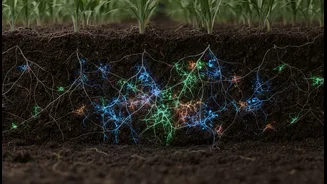
Despite the hurdles, the future of agricultural science is deeply intertwined with microbes. Research is advancing rapidly, with a focus on creating more robust formulations, such as liquid bio-fertilisers with a longer shelf life. Scientists are also exploring how different microbial strains work together in 'consortiums' to provide multiple benefits simultaneously. As we learn more about the complex interactions within the soil, we move closer to a future where farming is not just about feeding the plant, but about nurturing the living ecosystem that supports it. This represents a fundamental shift towards a more resilient and sustainable agricultural system.