





From Red Tape to Red Carpet
For decades, international travel, especially by land, was often synonymous with bureaucratic hurdles. Lengthy visa applications, high fees, and uncertain processing times could deter even the most enthusiastic traveller. Visa-free policies effectively
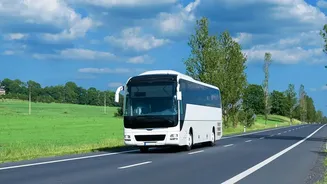
roll out a red carpet, replacing complexity with convenience. This is particularly transformative for overland travel, which encourages spontaneous, short-duration trips between adjacent countries. Instead of a multi-week planning process, a family or group of friends can decide to drive across the border for a weekend festival or a short holiday. This shift makes neighbouring countries not just distant destinations, but accessible extensions of one's own travel landscape. By removing the primary barrier to entry—the visa—governments send a clear message of welcome, encouraging a higher volume of visitors who might otherwise have stayed home or travelled domestically.
The Immediate Economic Ripple Effect
The most immediate impact of simplified border crossings is felt in the towns and communities located near the frontier. These areas are the first to welcome the new influx of visitors. Local businesses, from small restaurants and cafes to guest houses and fuel stations, experience a direct surge in customers. An overland tourist crossing for a two-day trip will still spend money on meals, accommodation, souvenirs, and local activities. This spending creates a powerful ripple effect. For example, when discussions around a Schengen-style visa for ASEAN nations gained traction, the underlying goal was to facilitate this exact type of seamless movement, allowing a tourist in Malaysia to easily hop over to Thailand for a few days. That single trip supports hospitality and retail jobs in both countries, strengthening economic ties at a grassroots level. This effect is often visible in real-time, with border towns transforming into bustling hubs of cross-cultural commerce.
Fostering Deeper Regional Exploration
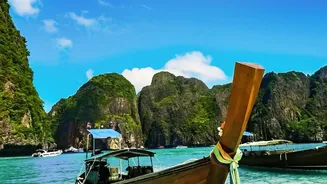
Beyond weekend trips, visa-free overland access fundamentally changes how international tourists plan their itineraries. Travellers from farther afield are more likely to book multi-country tours when they know they can move between nations without repetitive paperwork. This has led to the rise of regional tourism circuits, where visitors might explore the ancient temples of Cambodia, the street food of Vietnam, and the beaches of Thailand all in one seamless journey. Regional blocs like ASEAN have been actively exploring a unified visa system, recognizing that making it easier to visit one member country makes it more attractive to visit them all. This collaborative approach turns regional competitors into partners, marketing Southeast Asia, for instance, as a single, diverse destination. The result is longer stays, higher overall spending per tourist, and a more resilient tourism industry spread across multiple economies.
A Complicated Reality in Practice
While the benefits are clear, the implementation of visa policies is complex and can be subject to change based on economic and security concerns. For example, after introducing a generous 60-day visa exemption in 2024 to boost its post-pandemic recovery, Thailand announced in mid-2026 that it would reduce the period back to 30 days for over 90 countries. Officials cited misuse of the longer stays for illegal work and other crimes as a primary reason for the policy shift. This reversal sparked concern among tourism operators, particularly those catering to the lucrative Indian wedding market, who argued that even the reintroduction of a visa-on-arrival fee could deter large groups and cost the economy billions. In response to this feedback, the Thai cabinet later voted to restore visa-free access for India and several other nations, highlighting the delicate balance governments must strike between attracting tourists and managing immigration.
The View from India
India has firsthand experience with the power of visa-free overland travel through its open-border arrangements with Nepal and Bhutan. These policies have cultivated deep economic and cultural ties, with a steady flow of pilgrims, tourists, and traders. The potential for expansion is significant. The India-Myanmar-Thailand Trilateral Highway, a major infrastructure project, promises to create a seamless road link from India's Northeast to the heart of Southeast Asia. However, its full potential as a tourism and trade corridor hinges on visa simplification. While agreements have been discussed for years, progress has been slow. As other regions, like ASEAN with its single-visa ambitions and China with its expanding visa-free list, move forward, it underscores the critical need for coordinated policy to turn ambitious infrastructure projects into tangible economic opportunities for local communities across the region.