






In an era of front-loaded blockbusters, Nitesh Tiwari's 'Ramayana' is defying the odds. Weeks after its release, the mythological epic isn't just surviving; it's thriving, powered by the most potent force in cinema: strong word of mouth.
More Than Just a Movie
The sustained
success of 'Ramayana' speaks to a phenomenon that goes beyond simple entertainment. For many viewers, watching the film is an experience of 'darshan'—a sight of the divine. This deep cultural and spiritual connection to the source material has been a powerful engine for the film's longevity. Unlike marketing campaigns that fade, the genuine emotional and reverential response from audiences has created a self-sustaining wave of interest. The film's ability to tap into a foundational narrative, one that has shaped morality and philosophy for millennia, ensures it resonates on a level that few films can achieve. The discussion it has sparked about retelling sacred stories for modern times further cements its place in the cultural conversation, drawing in both the devout and the curious.
The Nitesh Tiwari Touch
A significant factor in the film's positive reception is the trust audiences place in director Nitesh Tiwari. With a track record that includes the critically and commercially successful 'Dangal,' Tiwari is known for balancing spectacle with heartfelt emotion. He approached 'Ramayana' not by trying to modernise its timeless values, but by reminding the world of them. This commitment to preserving the story's purity and emotional core is something audiences have praised. While the film is a visual spectacle, Tiwari's focus on the relationships between characters and their emotional journeys gives the epic its soul, preventing the grand scale from feeling empty—a criticism often levelled at other large-budget productions.
A Casting Masterstroke
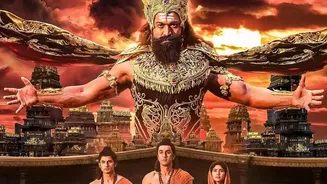
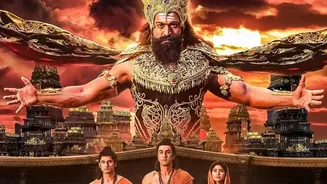
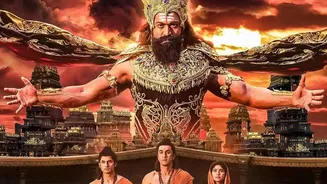
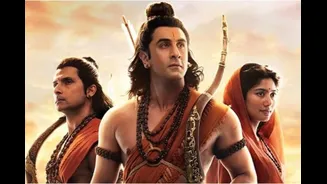
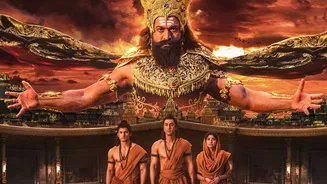
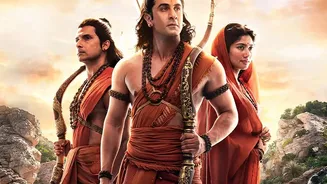
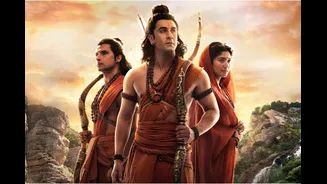
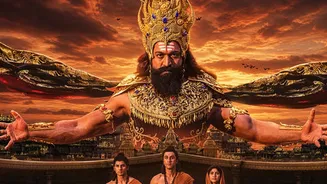
The performances of the lead cast have been a major topic of conversation and a key driver of audience recommendations. Ranbir Kapoor's portrayal of Lord Ram has been noted for its grace, calmness, and quiet strength, embodying a character whose pain is felt rather than seen. Opposite him, Sai Pallavi's performance as Sita has been lauded for its grace and for giving the character agency. However, it is Yash's powerhouse performance as the antagonist Ravana that has become one of the film's biggest highlights, presenting a nuanced and formidable presence that captivates viewers. The chemistry and conviction of the entire ensemble have made these mythological figures feel human and relatable, forging a strong connection with the audience.
A Spectacle with Global Ambition
From its inception, 'Ramayana' was envisioned as India's answer to Hollywood epics like 'Lord of the Rings'. With a monumental budget and visual effects from the Oscar-winning studio DNEG, the film delivers a scale never before seen in Indian cinema. This commitment to creating a world-class visual experience has paid off, particularly in premium formats like IMAX, where the film has set new records at the Indian box office. The breathtaking visuals, from epic battle sequences to fantastical landscapes, have provided the 'wow' factor that keeps theatres buzzing. The involvement of international talent like composers Hans Zimmer and A.R. Rahman further signals its global positioning, helping it connect with audiences worldwide.
Finding a Universal Connection
While deeply rooted in Indian culture, the themes of 'Ramayana'—righteousness, loyalty, love, and the eternal battle between good and evil—are universal. The filmmakers have succeeded in presenting this story in a way that is authentically Indian yet accessible to a global audience. Reports show a significant portion of the film's revenue has come from outside India, a historic milestone for a domestic production. By focusing on universal human emotions and creating a visually stunning narrative, the film has transcended cultural boundaries, proving that epic stories, when told with conviction and heart, can resonate with anyone, anywhere.