






A Nation Under Ecological Stress
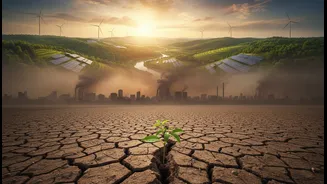
The latest State of India's Environment report for 2026 paints a concerning picture of a nation grappling with severe ecological challenges. A major finding is that India is breaching its natural safety limits. The report highlights the concept of 'planetary
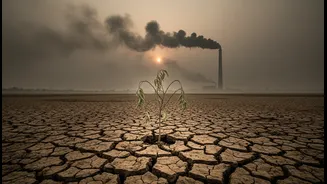
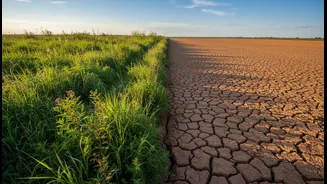
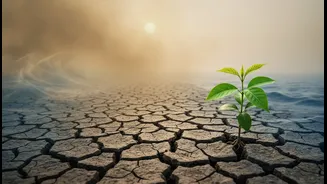
boundaries'—nine critical Earth systems that support life. Alarming data shows that seven of these, including climate change, freshwater availability, and biodiversity, have been breached due to human activity, pushing us into a danger zone. One of the most immediate signs of this stress is the surge in extreme weather events. In 2025, India experienced extreme weather on a staggering 99% of its days, leading to over 4,400 deaths and affecting 17.41 million hectares of crops. This isn't a distant threat; it’s an escalating reality impacting agriculture, public safety, and the economy.
The Key Risks We Face
The report identifies several urgent risks. Air pollution remains a silent crisis, with a recent CSE analysis showing that 85% of India's population lives outside areas with continuous air quality monitoring. This means for over 1.2 billion people, the air they breathe is an unrecorded reality. Ground-level ozone, a harmful pollutant linked to heatwaves, is no longer just a big-city problem but a year-round national issue. Another major risk is the escalating human-wildlife conflict. Habitat loss and the spread of invasive plants are forcing animals like tigers into human-dominated landscapes, leading to a rise in dangerous encounters. Freshwater sources are also severely stressed from over-extraction and climate change, with major river deltas sinking and states like Punjab and Rajasthan extracting more groundwater than is replenished. The report connects these environmental failures to public health, noting that deaths from ambient particulate matter and ozone pollution have risen sharply over the past three decades.
Are There Any Silver Linings?
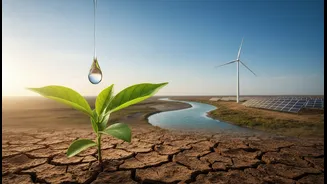
While the overarching theme is one of urgency, the report does contain glimmers of progress that can be seen as benefits of targeted action. The conservation efforts under Project Tiger have been a remarkable success. India is now home to nearly 75% of the global wild tiger population, a testament to decades of work in protecting the species and its habitat. There has also been a notable decline in deaths attributable to household air pollution, which fell by over 64% between 1990 and 2019. This success indicates that policy interventions, such as the push for clean cooking fuels, can have a significant positive impact on public health. Furthermore, while many states struggle, some are showing leadership. The report's state-wise analysis notes that states like Goa and Assam are performing better on environmental indicators, partly due to a higher share of renewable energy in power generation. These examples provide a potential roadmap for other states to follow, demonstrating that progress is possible.
What This Means For You: The Takeaway
For the average reader, this report is more than a collection of statistics; it's a forecast of the future. The increasing frequency of heatwaves, floods, and storms directly threatens your safety, health, and economic stability. The food on your table is linked to the 17.41 million hectares of crops damaged by extreme weather. The quality of the air your family breathes is directly impacted by the massive monitoring gaps that leave pollution unchecked in most of the country. The report’s central message is that environmental issues and development are not separate. The health of the nation's economy is intrinsically linked to the health of its environment. It calls for a shift from reactive crisis management to proactive, science-based planning that integrates climate resilience into everything from urban development to public infrastructure.