


What Is Functional Core Training?
Unlike exercises that isolate a single muscle, functional core training focuses on movements that engage the entire network of muscles around your torso, including your abs, back, and hips. The goal is to train these muscles to work together in harmony,
just as they do when you lift groceries, play with your kids, or simply maintain good posture while sitting at a desk. This approach builds practical strength, improves balance and stability, and can significantly reduce the risk of injury, especially lower back pain. It’s about building a core that works for you, enhancing your ability to move safely and efficiently through your day.
The Plank
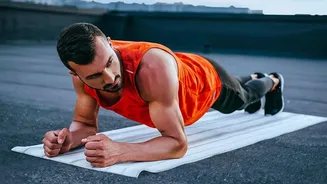
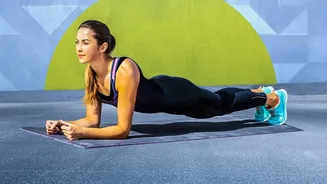
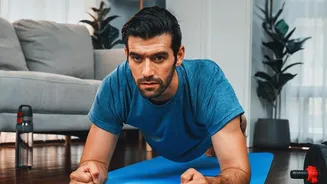
The plank is the ultimate foundational exercise for core stability. It teaches your body to remain rigid and stable, strengthening the deep transverse abdominis which acts like a natural corset for your spine. To perform a basic plank, get into a position similar to a push-up, with your weight on your forearms and toes. Your elbows should be directly under your shoulders. Engage your core by drawing your belly button toward your spine, keeping your body in a straight line from your head to your heels. Avoid letting your hips sag or rise too high. Hold this position, focusing on your breathing and maintaining tension throughout your core. Start with holding for 20-30 seconds and gradually increase the time as you get stronger.
The Dead Bug
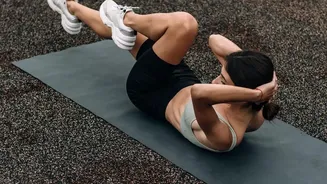
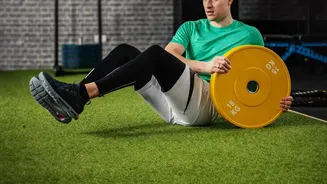
This oddly named exercise is fantastic for developing coordination and stability without putting stress on your back. Lie on your back with your arms extended toward the ceiling and your knees bent at a 90-degree angle over your hips, like a 'dead bug'. Press your lower back gently into the floor. On an exhale, slowly lower your right arm and left leg toward the floor simultaneously, stopping just before they touch the ground. Inhale as you return to the starting position with control. Repeat on the other side, lowering your left arm and right leg. The key is to move slowly and prevent your lower back from arching off the floor.
The Bird-Dog
The bird-dog is another excellent exercise for improving balance, posture, and spinal stability. Start on all fours with your hands directly under your shoulders and your knees under your hips. Keep your back flat and your core engaged. Extend your right arm straight forward and your left leg straight back at the same time, creating a long line from your fingertips to your heel. Hold for a moment, focusing on keeping your hips and shoulders level and avoiding any rotation in your torso. Return to the starting position with control and repeat on the other side, extending your left arm and right leg. This move builds unilateral strength and teaches your core to resist twisting forces.
The Glute Bridge
While often seen as a glute exercise, the bridge is also a powerhouse for core stabilization and is great for counteracting the effects of prolonged sitting. Lie on your back with your knees bent, feet flat on the floor about hip-width apart, and your arms by your sides. Engage your core and press through your heels to lift your hips toward the ceiling until your body forms a straight line from your shoulders to your knees. Squeeze your glutes at the top and avoid arching your lower back. Hold for a couple of seconds before slowly lowering your hips back down with control. This strengthens the entire posterior chain, which is crucial for supporting a healthy back.
Plank with Shoulder Taps
This plank variation adds an element of instability, forcing your core to work harder to prevent your torso from rotating. Start in a high plank position (on your hands, not forearms) with your hands under your shoulders and your feet slightly wider than hip-width for better balance. Keeping your body as still as possible, lift your right hand and tap your left shoulder. Place your right hand back down and then lift your left hand to tap your right shoulder. The goal is to minimize any swaying or rocking in your hips. This exercise builds anti-rotation strength, which is vital for protecting your spine during dynamic activities.