




Marigold (Genda)
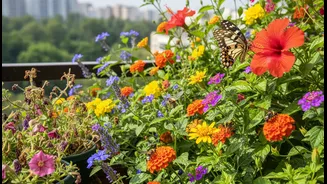
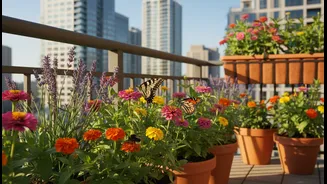
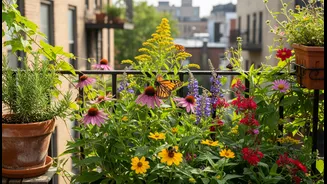
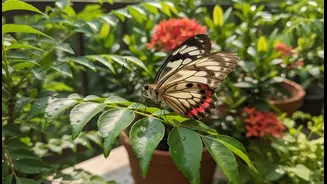
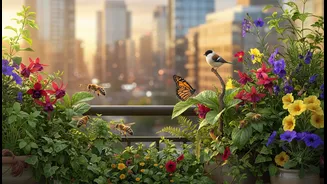
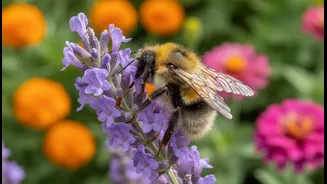
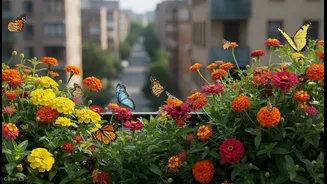
One of the most cheerful and easy-to-grow flowers, marigolds are a perfect start for any balcony garden. These vibrant yellow and orange blooms thrive in full sun and are not fussy about soil. They are excellent for attracting bees and butterflies, which
are drawn to their bright colours and nectar. Marigolds also have natural pest-repellent properties, helping to protect other plants in your balcony garden without the need for chemicals. Deadheading the spent flowers will encourage a continuous bloom, ensuring your balcony remains a colourful and active hub for pollinators throughout the season.
Holy Basil (Tulsi)
A staple in many Indian households, Tulsi is not just a sacred herb but also a powerhouse for attracting wildlife. It's incredibly easy to grow in a pot and requires minimal care, thriving in sunny spots. When allowed to flower, its small, delicate blossoms become a magnet for honey bees and other small pollinators, which are crucial for urban ecosystems. Planting Tulsi provides a continuous food source for these beneficial insects while also giving you fresh leaves for your daily tea.
Hibiscus (Gudhal)
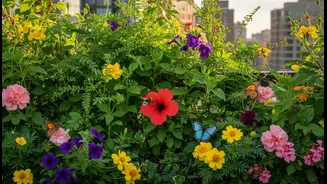
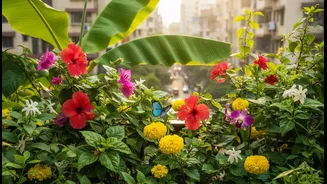
With their large, dramatic flowers, hibiscus plants are like a giant welcome sign for nectar-loving birds such as sunbirds. These tropical beauties thrive in containers and love sunny balconies, needing at least six hours of direct sun to produce their iconic blooms. Available in a stunning array of colours, hibiscus provides a reliable source of food for birds and also attracts butterflies. Dwarf varieties are particularly well-suited for pots, making them a manageable and visually striking addition to your urban wildlife garden.
Jasmine (Mogra/Chameli)
Known for its intoxicating fragrance, especially in the evenings, Jasmine is wonderful for attracting nocturnal pollinators like moths. These climbing plants can be easily grown in a 10-12 inch pot with a small trellis for support. While we enjoy their beautiful scent, various birds and insects are drawn to the plant for nectar and shelter, making it a multi-purpose addition to a wildlife-friendly balcony. It’s a plant that engages multiple senses while quietly supporting the local ecosystem.
Sunflower (Surajmukhi)
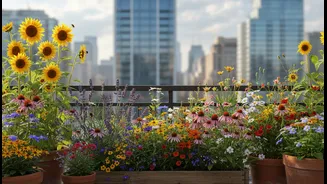
Sunflowers are a fantastic choice for supporting a wide range of wildlife. Their large, open flower heads are rich in pollen and nectar, making them a favourite for bees during their blooming phase. Once the flowers fade, the seed heads become a natural bird feeder, attracting species like sparrows and finches. Many dwarf varieties are now available that are perfect for growing in large pots on a balcony, allowing you to bring this iconic, sunny flower into even a small space.
Lantana
Lantana's colourful flower clusters are known to be a butterfly magnet. This hardy, drought-tolerant plant thrives in full sun and is incredibly low-maintenance, making it ideal for busy urban gardeners. The clusters of small flowers in shades of yellow, pink, orange, and red provide an easy-to-access nectar source for a wide variety of butterflies and bees. It blooms profusely, ensuring a long-lasting food supply for pollinators on your balcony.
Create a Complete Habitat
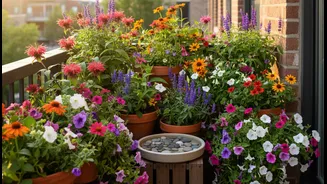
Beyond plants, a few simple additions can make your balcony even more welcoming. A shallow dish of water with a few pebbles or marbles in it provides a safe place for birds and bees to drink and bathe without the risk of drowning. Avoid using chemical pesticides, which can be harmful to the very creatures you're trying to attract. Opt for natural remedies like neem oil instead. Finally, adding a small bird feeder or leaving a corner with some twigs can offer much-needed food and shelter.