




Book Your Tickets Yesterday
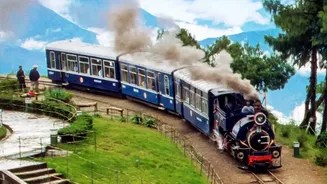
The single most critical step is booking your travel well in advance. For major festivals like Diwali, the demand for train and flight tickets skyrockets. Indian Railways often opens reservations 60 days in advance, and tickets on popular routes can sell
out within minutes of the booking window opening at 8 AM. Airlines see a similar surge, with fares climbing dramatically as the dates approach. For popular routes like Delhi-Patna or Mumbai-Kolkata, booking 3-4 months ahead is not an exaggeration; it's a necessity. Don't forget to book your return journey at the same time, as return tickets are often even harder to secure after the festivities.
Lock Down Your Accommodation
Once your travel is sorted, the next immediate priority is accommodation. Popular festival cities like Varanasi, Jaipur, Kolkata, and Mumbai see hotels and guesthouses get fully booked weeks, if not months, in advance. Prices also surge due to high demand. Booking your stay the same day you book your travel is a wise strategy. This is especially true for destinations famous for specific celebrations, such as Kolkata during Durga Puja or Mumbai during Ganesh Chaturthi, where accommodation options near the main attractions disappear fastest.
Choose Your Destination Wisely
While big cities like Delhi, Mumbai, and Kolkata offer grand celebrations, they also experience the heaviest crowds. Consider celebrating in slightly smaller cities or towns to experience local traditions in a more intimate setting. However, if you are set on a major hub, be prepared for the reality of navigating a city on high alert. Research which cities are hubs for specific festivals. For instance, Kolkata is the epicentre of Durga Puja, while Varanasi and Ayodhya are central to Diwali celebrations. Knowing this helps you anticipate the scale of crowds and plan accordingly.
Mastering Local Transport
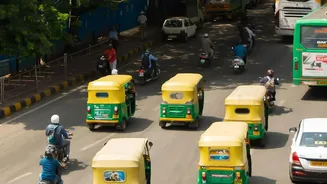
Getting around a city during a major festival is a challenge in itself. Roads can be blocked for processions, and public transport will be packed. Familiarize yourself with the city's metro network, if it has one, as it is often the most efficient way to bypass traffic. For shorter distances, ride-hailing apps are useful, but expect surge pricing and longer wait times. In some cities, walking may be the quickest option for getting to nearby pandals or markets. Plan your daily itinerary to minimize travel during peak rush hours and be prepared for delays.
Pack Smart and Stay Healthy
Your packing list for festival travel should be strategic. Include comfortable walking shoes, as you'll likely be on your feet for long hours. Given the crowds, it's wise to carry a small first-aid kit, hand sanitizer, and any personal medications. The festive season often brings changes in weather, so pack light layers. While street food is a tempting part of the experience, stick to busy, reputable vendors to avoid stomach issues. Stay hydrated, but only with bottled or filtered water. It's also crucial to be mindful of your belongings in crowded places to prevent theft.
Embrace the Spirit, but Be Respectful
Indian festivals are a spectacular display of culture and community. While enjoying the vibrant atmosphere, it's important to be a responsible traveller. Dress modestly, especially when visiting temples or religious sites. Always ask for permission before taking photographs of people or private ceremonies. Be patient and expect delays; the charm of these festivals often lies in their spontaneous and chaotic energy. A little bit of cultural sensitivity will go a long way in making your experience more enriching and ensuring you are welcomed by the local community.