





Decoding the Coffee Menu
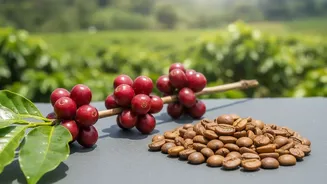
First, let's break down the terms. 'Arabica' refers to a species of coffee bean known for its aromatic and flavourful qualities, often with notes of fruit and flowers, compared to the bolder, stronger taste of Robusta. It is considered the premium variety
in the specialty coffee world. 'Single-origin' means the coffee comes from a single known geographical location, such as a specific country, region, or even a single farm, known as an estate. This practice ensures that the coffee's unique taste profile, influenced by its specific environment or 'terroir'—the soil, climate, and altitude—is not blended away. For the drinker, it's an opportunity to taste a place in a cup, whether it's the chocolatey notes from Chikmagalur or the fruity complexity from the Araku Valley.
The Rise of the Conscious Consumer
This shift is not happening in a vacuum; it is a direct response to a new generation of Indian consumers. Urban, well-travelled, and digitally connected, today's coffee drinkers are more curious and discerning. They are moving beyond viewing coffee as a simple caffeine delivery system and embracing it as an affordable luxury and a daily ritual. This growing consumer base, particularly millennials and young professionals, is increasingly interested in the story behind their products. They want to know where their coffee comes from, who grew it, and that it was sourced ethically. This demand for authenticity and quality has created the perfect market for brands that can provide it.
From Estate to Cup: The Power of Transparency
This is where transparency comes in. By detailing a coffee's journey from the estate to the final cup, brands build trust and a powerful narrative. This 'farm-to-cup' or 'estate-to-cup' model involves tracing the beans back to a specific estate, like Ratnagiri or Narmada in Karnataka. Many brands now list the estate name, altitude, coffee varietal, and processing method directly on the packaging. This isn't just marketing jargon; it's a traceability claim. It tells the consumer that the brand has a direct relationship with the grower and stands by the quality of that specific harvest. In a market where sustainability and ethical sourcing are becoming more important, this transparency is a significant differentiator.
A Strategic Niche in a Growing Market
For decades, much of India's high-quality coffee was exported and disappeared into anonymous international blends. Domestic brands focusing on single-origin Arabica are now reclaiming India's identity as a producer of world-class coffee. This strategy allows smaller Indian roasters to compete not on price or volume with large multinational corporations, but on quality, distinctiveness, and story. The specialty coffee market in India is experiencing robust growth, projected to expand at a compound annual growth rate of nearly 14% between 2026 and 2033. By highlighting the unique flavours of Indian terroir, these brands create a premium experience that resonates with the modern consumer and carves out a profitable niche.