






Calcium: The Building Block
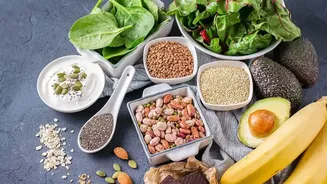
Calcium is the most abundant mineral in the human body, with 99% of it stored in our bones and teeth, providing their fundamental strength and structure. Our bodies cannot produce calcium, so we must obtain it through our diet from sources like dairy,
leafy greens, and fortified foods, or through supplements. It’s essential for a process called bone remodelling, where old bone is constantly broken down and replaced with new tissue. If your intake is insufficient, your body may pull calcium from your bones to supply other vital functions, which over time can weaken your skeleton. This is why calcium supplementation has become so common, especially for preventing age-related bone loss.
Vitamin D3: The Gatekeeper of Absorption
Simply consuming calcium isn't enough; your body has to be able to absorb it. This is where vitamin D3 comes in. Think of it as the gatekeeper. Vitamin D3 is essential for the absorption of calcium from your intestines into your bloodstream. Without adequate vitamin D3, you may only absorb 10-15% of the calcium you consume. With sufficient D3, that absorption rate can jump to 30-40%. Taking calcium without enough D3 means much of the mineral passes through your system unused, doing little for your bones. This crucial relationship is why D3 and calcium have long been recommended together.
Vitamin K2: The Traffic Controller
Here's the piece of the puzzle many people miss. Once vitamin D3 helps get calcium into your bloodstream, vitamin K2 takes over as the 'traffic controller'. Its job is to direct the calcium to where it’s needed—your bones and teeth—and, just as importantly, keep it away from where it shouldn't be, like your arteries and other soft tissues. Vitamin K2 does this by activating two key proteins: osteocalcin and Matrix Gla Protein (MGP). Osteocalcin helps bind calcium to your bone matrix, making bones stronger. MGP is a powerful inhibitor of soft tissue calcification, meaning it helps prevent calcium from building up in your blood vessels.
The Risk: When Calcium Goes Rogue
The danger emerges when this team is out of balance. If you take calcium and vitamin D3 without enough vitamin K2, you can effectively increase the amount of calcium circulating in your blood but have no 'traffic cop' to tell it where to go. Without activated MGP, this free-floating calcium can be deposited in the walls of your arteries. This process is known as vascular calcification, which causes arteries to become stiff and less flexible. Stiff arteries are a significant risk factor for cardiovascular problems. Essentially, you could be taking calcium to help your bones, but without K2, you may inadvertently be sending it to your arteries instead.
Finding the Right Balance
The synergistic relationship between these three nutrients is vital for both skeletal and cardiovascular health. While supplementation can be a solution, it's also important to consider dietary sources. Vitamin D is famously produced by skin exposure to sunlight, and is also found in fatty fish. Vitamin K2 is less common in the modern diet but is abundant in fermented foods like natto (fermented soybeans), and in smaller amounts in hard cheeses, egg yolks, and grass-fed butter and meats. Given the complexity and the potential risks of imbalance, it's wise to approach supplementation thoughtfully. The goal is not just to get enough of each nutrient, but to ensure they work together in harmony.