








Your Brain Needs Time to Catch Up
It’s a simple biological fact: it takes roughly 20 minutes for your stomach to send signals to your brain that you're full. These signals are carried by hormones like leptin. When you eat too quickly, you can easily consume more food than your body needs
before your brain even gets the message to stop. This often leads to overeating and that uncomfortable, overstuffed feeling. Slowing down gives your body's intricate communication system the time it needs to work, which is a cornerstone of better portion control and weight management.
A Boost for Your Digestive System
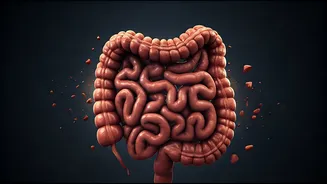
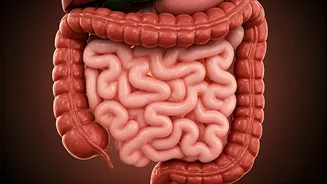
Digestion begins the moment you start chewing. Eating slowly encourages you to chew your food more thoroughly, which is the first and crucial step in breaking it down mechanically. More chewing also means more saliva production; saliva contains enzymes that start the chemical digestion process right in your mouth. When you rush, you swallow larger, poorly chewed pieces of food, forcing your stomach to work harder and increasing the risk of indigestion, bloating, gas, and heartburn. Taking your time allows your digestive system to function more efficiently, leading to better nutrient absorption and less gastrointestinal discomfort.
The Link to Long-Term Metabolic Health
The implications of fast eating extend beyond immediate discomfort. Multiple studies have linked rapid eating to a significantly higher risk of developing metabolic syndrome. Metabolic syndrome is a cluster of conditions—including high blood pressure, excess belly fat, high blood sugar, and abnormal cholesterol levels—that increases your risk for heart disease, stroke, and type 2 diabetes. Some research has found that fast eaters have as much as a 54% higher chance of developing metabolic syndrome compared to their slower-eating counterparts. Eating quickly can cause larger fluctuations in blood sugar and lead to insulin resistance over time, making a slower pace a crucial lifestyle factor for long-term health.
Rediscover the Pleasure of Eating
Beyond the physical benefits, slowing down transforms your relationship with food. This practice, often called mindful eating, encourages you to pay attention to the flavours, textures, and aromas of your meal. When you're not rushing, you can truly savour and enjoy what you’re eating, which leads to greater mental satisfaction from your food. This heightened awareness can help you distinguish between physical hunger and emotional cravings, reducing stress and fostering a healthier, more intuitive approach to eating.
Simple Ways to Start Eating Slower
Slowing down can feel unnatural at first, but small changes can make a big difference. Try putting your fork or spoon down between each bite. Take a sip of water frequently throughout the meal. Eliminate distractions by turning off the TV and putting your phone away. If you're struggling, try setting a timer for 20 minutes and making that your minimum meal time. You can also focus on chewing each bite a specific number of times, like 20-30 chews. The goal isn't perfection, but a more conscious and deliberate pace.