



Why Add Protein to Your Breakfast?
Many traditional Indian breakfasts, while delicious, are often rich in carbohydrates but lower in protein. A protein-heavy breakfast offers numerous benefits. It promotes satiety, meaning you feel full and satisfied for a longer period, which can help
prevent mid-morning snack cravings. Protein is also essential for muscle repair and maintenance, and starting your day with a good dose helps kickstart your metabolism. For vegetarians, in particular, finding sufficient protein sources can be a daily challenge, and fortifying meals you already love is one of the easiest ways to bridge the nutritional gap.
The Nutritional Power of Seeds
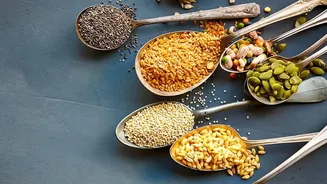
Seeds are nutritional giants in tiny packages. They are excellent sources of plant-based protein, healthy fats, dietary fibre, and essential minerals like magnesium, zinc, and iron. Different seeds offer unique benefits. For instance, pumpkin seeds are among the richest in plant protein, while chia seeds are celebrated for their high fibre and omega-3 content. Flax seeds are another great source of fibre and omega-3s, and sunflower seeds deliver a healthy dose of Vitamin E. By combining a few, you can create a well-rounded nutritional booster for any meal.
Best Seeds for a Protein Boost
Not all seeds are created equal when it comes to protein. For a powerful, homemade protein mix, focus on these four: 1. Hemp Seeds: Often considered a complete protein, hemp seeds provide all nine essential amino acids and pack about 9-10 grams of protein per 30-gram serving. 2. Pumpkin Seeds: A standout for protein content, offering around 8-9 grams per 30-gram serving. They also provide valuable minerals like iron and zinc. 3. Sunflower Seeds: These deliver about 5-6 grams of protein per ounce and are rich in healthy unsaturated fats and Vitamin E. 4. Chia Seeds: While slightly lower in protein at around 5 grams per 28-gram serving, they are incredibly rich in fibre and omega-3 fatty acids, which aid in digestion and heart health.
How to Make and Store Your Seed Powder
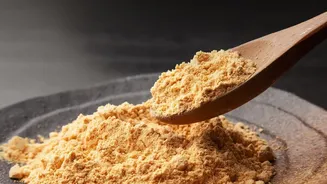
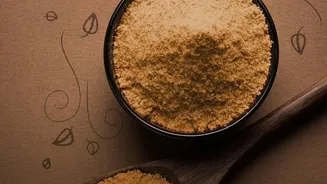
Creating your own seed powder is simple. You can use a single seed or create a more nutritionally diverse mix. A good starting point for a mixed powder is equal parts hemp, pumpkin, and sunflower seeds, with a slightly smaller portion of chia and flax seeds. Lightly roasting pumpkin and sunflower seeds before grinding can enhance their nutty flavour, but it's not essential. Once cooled, add all your chosen seeds to a high-powered blender or a spice grinder. Pulse until you achieve a fine, flour-like consistency. Be careful not to over-blend, as the natural oils can turn the powder into a paste. Store your finished powder in an airtight glass jar in the refrigerator to maintain freshness and protect the delicate oils from going rancid.
Incorporating Powder into Your Batters
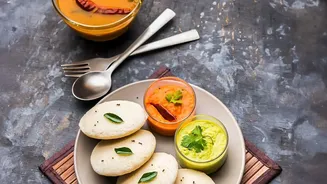
The key to adding seed powder is moderation. Adding too much can alter the taste and, more importantly, the texture and fermentation of your batter. For fermented batters like those for idli and dosa, the powder should be mixed in just before you cook. A good rule of thumb is to start with one to two tablespoons of seed powder for every cup of batter. For flax seeds, which absorb a lot of water and can become gelatinous, it's wise to start with a smaller amount. For non-fermented batters like besan cheela or moong dal chilla, you can mix the powder directly into the dry ingredients before adding water. The powder will slightly thicken the batter and can add a pleasant, nutty undertone to the final dish.
Mind the Flavour and Fermentation
While most seed powders have a mild, nutty taste, they can subtly change your breakfast's flavour profile. This is often a welcome addition, but it's something to be aware of. More importantly, especially with dosa and idli batters, adding a dense, high-fibre ingredient can sometimes affect the fermentation process. Some home cooks find that batters with added seeds don't rise as much. This is why it's best to add the powder to the portion of batter you intend to use immediately, rather than adding it to the entire batch before fermentation. This preserves the original batter's integrity while still allowing you to enjoy a protein-enriched meal. Fenugreek (methi) seeds, already a traditional ingredient in many dosa batters for flavour and colour, can also aid fermentation.