




A Symphony of Simplicity
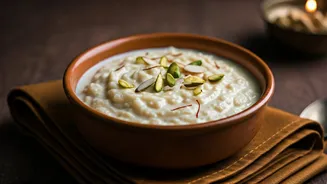
At its heart, kheer is a testament to the magic of simplicity. The dish is primarily made by slow-cooking rice, milk, and a sweetener like sugar or jaggery. [11] This humble trio transforms through patience and gentle heat into a creamy, luscious pudding.
[5] The slow-simmering process is crucial; it allows the rice grains to soften completely, releasing their starch to naturally thicken the milk into a velvety consistency. [5] This isn't a dessert of haste. It’s a quiet tradition, a lesson in how the most basic ingredients can create something profoundly comforting when treated with care. [23] Each spoonful is a reminder that you don't need complexity for perfection.
An Aromatic Shield Against the Gloom
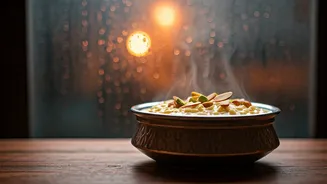
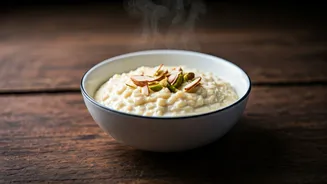
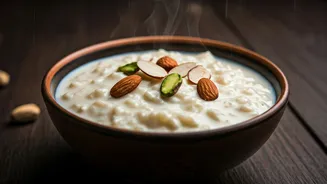
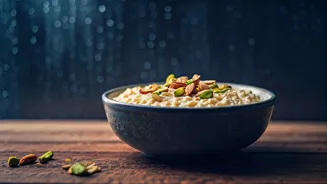
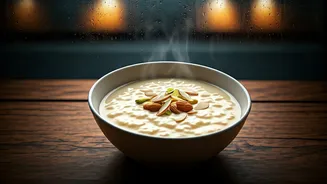
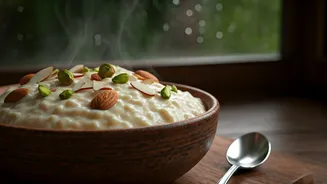
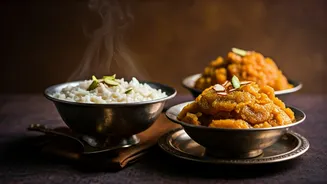
The true soul of kheer, especially during the monsoon, lies in its aroma. As the pudding simmers, it's infused with spices that are a staple of the Indian kitchen. Green cardamom is the most common, lending a fragrant sweetness that cuts through the richness of the milk. [7] Often, a few strands of saffron are added, giving the kheer a beautiful golden hue and a subtle, luxurious floral scent. [5] This fragrant steam, rising from a warm bowl, acts as a sensory shield against the damp chill of a rainy day. Toasted almonds, cashews, and pistachios are stirred in or used as a garnish, adding a delightful crunch and nutty depth. [2, 7] The aroma is more than just a scent; it’s an experience that feels like a warm hug.
A Tradition Steeped in Sweetness
Kheer is far more than just a dessert; it's woven into the cultural fabric of India, where it has been a symbol of joy, prosperity, and togetherness for over two thousand years. [2, 6] Its origins are traced back to ancient India, with some believing it was first created in the Lord Jagannath Temple in Odisha. [2] Known as ‘payasam’ in the South, ‘payesh’ in Bengal, and ‘kheer’ in the North, it's a staple at nearly every celebration, from festivals like Diwali and Eid to weddings and birthdays. [2, 5, 10] It's often the first solid food a baby eats in the ‘annaprashan’ ceremony and is a common ‘prasad’ (sacred offering) in temples, signifying purity and divine blessings. [4, 6] This deep-rooted significance adds a layer of emotional weight to every bowl.
The Undisputed King of Rainy Day Comfort
While pakoras and chai are classic monsoon companions, kheer offers a different, more profound kind of comfort. Fried snacks can sometimes feel heavy, but kheer is soothing and gentle on the stomach. [20] In Punjab, the combination of kheer and ‘gur ke poore’ (jaggery pancakes) is a traditional way to welcome the rains and celebrate the month of Saawan. [8] Kheer made with freshly harvested rice during this season symbolizes abundance and hope for a bountiful harvest. [8] Ayurveda, the ancient Indian system of medicine, even describes sweetened milk-rice preparations as nourishing and balancing for the body. [4, 6] Its cooling properties also make it a suitable dessert to balance the body's metabolism as the seasons change. [21] It doesn’t just satisfy a craving; it nourishes the body and soul.