



More Than Just Paper
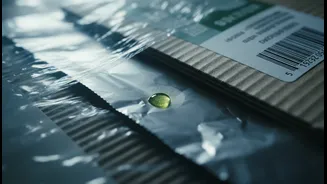
Cardboard seems simple, but it’s often a complex material. While some food packaging is made from virgin paper fibres, much of the cardboard in circulation is recycled. This is great for the environment but can introduce food safety challenges. The journey
of a box from a manufacturing plant, through various warehouses and delivery vehicles, to your doorstep offers many opportunities for contamination. The risks generally fall into two categories: microbial, from bacteria and viruses picked up along the way, and chemical, from substances within the cardboard itself that can transfer to your food.
The Microbial Menace
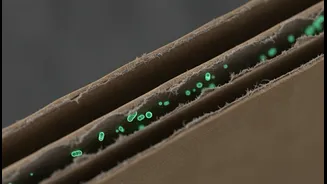
Cardboard is porous, meaning it can absorb moisture, creating an environment where bacteria and moulds can thrive. During transit, boxes can be exposed to dirty floors, pests, and countless hands, picking up pathogens like E. coli or Salmonella. Studies have shown that viruses, including coronaviruses, can survive on cardboard surfaces for up to 24 hours. While the risk of infection from a surface decreases over time, the initial contamination is a real concern. A damp or damaged box significantly increases this risk, as moisture helps microorganisms proliferate and can weaken the packaging, exposing the food inside to the environment.
Hidden Chemicals in the Fibres
A more invisible threat comes from chemical migration. When cardboard is made from recycled paper, it can contain residues from its previous life, including printing inks. These inks can contain mineral oil hydrocarbons (MOSH and MOAH), some of which are suspected carcinogens. These compounds can migrate from the packaging into food, even without direct contact. This risk is highest for dry foods with a large surface area, like flour or pasta, and for fatty foods, which readily absorb these chemicals. Other chemicals of concern include phthalates, used to make plastics and adhesives flexible, and PFAS, so-called "forever chemicals" sometimes used for grease-proofing pizza boxes and other wrappers. Heat accelerates this chemical transfer, which is why you should never heat food in its cardboard packaging.
The Pizza Box Problem
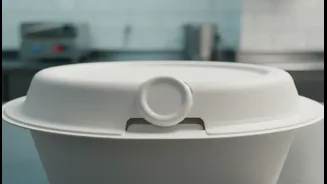
The quintessential takeaway container, the pizza box, highlights these issues perfectly. It’s designed to keep pizza hot, which is great for your meal but also creates the ideal warm environment for chemical migration. Storing leftover pizza in the box overnight is not recommended. The cardboard traps moisture released from the cooling pizza, which can make the crust soggy and encourage bacterial growth. Furthermore, any grease-resistant coatings containing PFAS can leach into the hot, oily cheese and toppings. Reputable suppliers are moving towards PFAS-free boxes, but it’s a risk worth being aware of. And it should go without saying: never put a cardboard pizza box in the oven; it's a fire hazard and can release chemical fumes.
Your Guide to Safer Unboxing
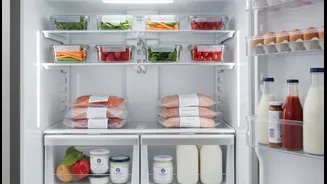
Awareness is the first step, but simple habits can significantly reduce any potential risk. The key is to minimise your food’s contact with external packaging. Transfer Your Food Immediately: As soon as your delivery arrives, take the food out of the cardboard box or wrapper. Place it on your own clean plates or in glass storage containers. Never Store Food in Takeaway Boxes: Whether it’s pizza or groceries, transfer leftovers and other items to food-safe containers for storage in the fridge or pantry. This is especially important for fatty or moist foods. Wash Your Hands: After handling any delivery packaging, wash your hands thoroughly with soap and water before you start eating or preparing other food. Inspect the Packaging: If a box arrives visibly dirty, damp, or damaged, it's a sign to be extra cautious. The integrity of the packaging has been compromised. * Don't Reheat in Cardboard: Never use a cardboard container to reheat food in the microwave or oven. The heat not only poses a fire risk but also increases the chances of chemicals leaching into your meal.