





How AI Sees Your Skin
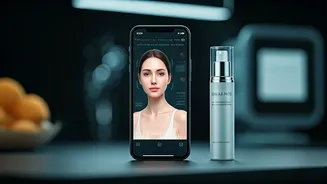
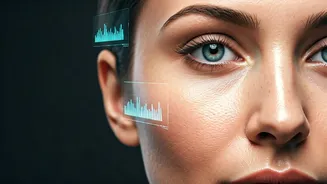
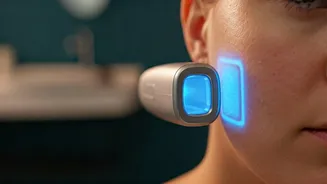
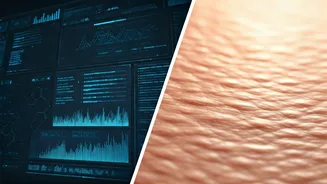
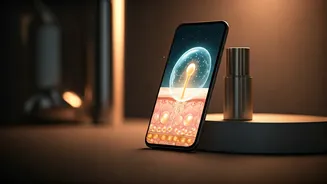
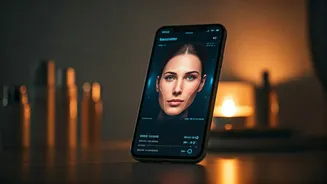
AI skincare advisors typically work through your smartphone. You upload a selfie, and the app’s algorithm analyses it for various concerns. Using computer vision, it scans for visible signs like fine lines, dark spots, texture, oiliness, and redness.
The technology is trained on vast databases of images to recognise these patterns. Some apps also ask you to complete a questionnaire about your lifestyle, concerns, and current routine. The system then combines this visual data and your answers to generate a skin analysis and recommend a tailored list of products or ingredients.
The Bright Side: Potential Perks
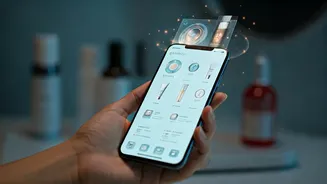
One of the biggest advantages of AI skincare is accessibility. It offers instant analysis and recommendations 24/7, without the need for an appointment. This can be a great starting point for those new to skincare or unsure of their skin type. The recommendations are highly personalised based on the data collected, aiming to take the guesswork out of buying products. Many apps also allow you to track your skin's progress over time by comparing new photos to older ones, providing visual evidence of whether a new routine is working. This data-driven approach can feel more objective than just looking in the mirror.
The Reality Check: Risks and Limits
Despite its sophistication, AI is not a dermatologist. One major limitation is that the analysis is only as good as the photo you provide and the data it was trained on. Poor lighting or makeup can skew results. More importantly, these algorithms can have biases. A recent study in Hyderabad, India, found that the accuracy of several AI apps declined with darker skin tones, as the systems are often trained on less diverse datasets. Furthermore, an app can't see the whole picture; it may miss underlying health issues like hormonal imbalances that a doctor would spot. And while many apps claim accuracy, a recent review found most lack peer-reviewed validation.
The Dermatologist's View
Experts in India widely agree that AI can be a useful assistant, but not a replacement for professional medical advice. Dr. Ajara Sayyad, a Mumbai-based dermatologist, warns that digital images can't capture the full story and that an in-person examination is crucial for an accurate diagnosis. A subtle change in skin texture or colour could be a sign of a deeper health concern that an app would miss. Dermatologists use AI as a tool to support their work, for tasks like tracking treatment progress, but stress that human expertise is needed to interpret the data, consider a patient's full medical history, and make a final decision on treatment.
Your Data and Privacy
When you upload your selfie, you're also handing over personal data. Your facial scan could be considered biometric data, which is subject to strict privacy laws in many regions. Recent lawsuits against beauty brands highlight the risks around how this sensitive information is collected, used, and stored. It is often unclear what happens to your photos and personal details after the analysis. Before using any AI skincare app, it’s wise to read the privacy policy to understand what you are consenting to, as this data could be used for more than just product recommendations.