




Turmeric: The Golden Healer
A cornerstone of Indian cooking and Ayurvedic medicine, turmeric is a powerhouse during the monsoon. Its active compound, curcumin, has potent anti-inflammatory, antioxidant, and antimicrobial properties. During the rains, when the risk of infections
rises, turmeric helps to bolster the immune system to fight off pathogens. It is particularly effective at modulating immune responses. For maximum benefit, it's recommended to pair turmeric with a pinch of black pepper, which significantly increases curcumin absorption. A warm glass of 'haldi doodh' (turmeric milk) before bed is a comforting and traditional way to keep seasonal illnesses at bay.
Ginger: The Warming Digestive
There is nothing quite like a hot cup of ginger tea on a rainy day, but its benefits go far beyond comfort. Ginger is a warming spice that helps the body adapt to the cool, damp weather of the monsoon. Its key bioactive compound, gingerol, is known for its powerful anti-inflammatory and antioxidant effects. This makes it excellent for soothing sore throats and reducing the risk of colds and flu. Furthermore, ginger is a fantastic digestive aid, helping to settle upset stomachs and alleviate indigestion, which can be more common during this season due to a general slowdown in our metabolism.
Amla: The Vitamin C Powerhouse
Amla, or the Indian gooseberry, is one of the most concentrated natural sources of Vitamin C, containing significantly more than an orange. This vitamin is crucial for a strong immune system as it supports the production of white blood cells, which are the body's primary line of defence against infection. During the monsoon, when our immunity can be weaker, a daily dose of amla can be highly beneficial. Its antibacterial and anti-inflammatory properties further help the body combat oxidative stress. Enjoying it as a fresh juice, a powder mixed in water, or even as a tangy pickle can help you reap its rewards.
Jamun: The Seasonal Defender
The dark-purple jamun, or black plum, is a seasonal fruit that makes its appearance during the monsoon for good reason. It is packed with essential nutrients including iron, potassium, and vitamins, but its standout feature is its high concentration of antioxidants and Vitamin C. These properties make jamun an excellent fruit for fighting infections and reducing inflammation. Ayurveda also values jamun for its digestive benefits, helping to treat issues like bloating and flatulence which can be common during the rains. Its availability during this specific season makes it a perfect, natural supplement to your monsoon diet.
Garlic: Nature’s Antibiotic
Garlic has been valued for centuries as a natural antibacterial and antiviral agent. Its active compound, allicin, gives it potent antimicrobial properties that are especially useful for fending off the common infections that thrive in the monsoon's humidity. Incorporating garlic into your daily cooking—in dals, soups, and vegetable preparations—can help stimulate the production of white blood cells and strengthen your body's natural defences. It's a simple, everyday ingredient that provides a powerful shield against seasonal illnesses.
Probiotics: The Gut Guardians
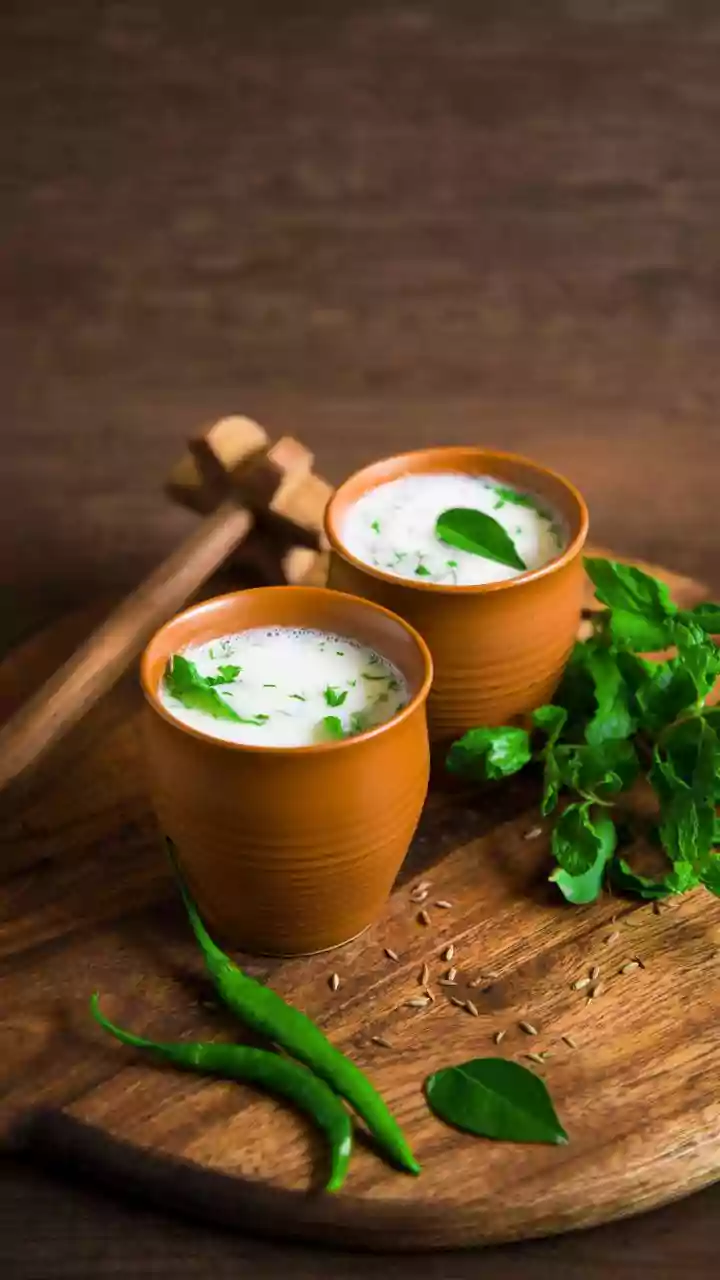
A healthy gut is the foundation of a strong immune system. Probiotic-rich foods like fresh, homemade yoghurt (curd) and buttermilk are particularly important during the monsoon. They introduce beneficial bacteria into your digestive tract, which helps fight off the bad bacteria that can cause stomach infections and diarrhoea—common ailments during this season. Consuming curd during the daytime is recommended as it helps in maintaining a healthy digestive system without being too heavy. This supports not just digestion but overall immunity.